Written by Ayu Pratiwi
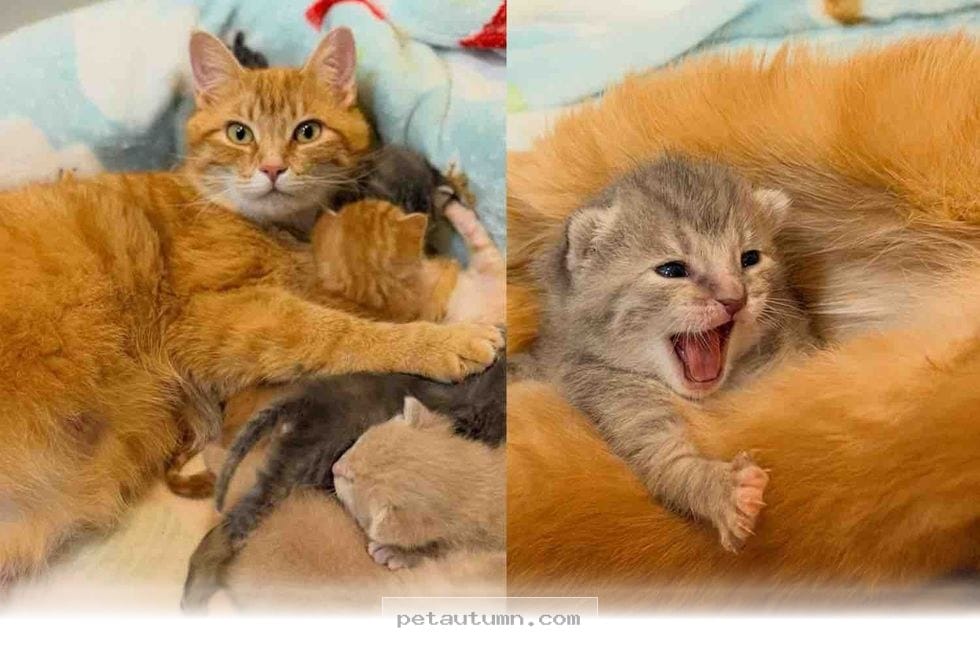
Imagine walking into a quiet shelter, expecting a routine day, only to stumble upon a miracle. One lonely stray cat arrived at a rescue facility just in time, finding safety moments before her life changed forever.
She went from being completely alone to a proud mother of seven kittens overnight. It is a heartwarming reminder of how a little kindness can turn a desperate situation into a beautiful new beginning.
Key Takeaways
- Rescued pregnant cats often arrive at shelters showing signs of extreme stress or malnutrition.
- Preparing a quiet, warm space is the most vital step for a nursing mother cat.
- Monitoring kitten weight gain is essential during the first few weeks of life.
- Orange female cats are rare, making this large litter even more special to the rescue staff.
- Proper nutrition for the mother supports both her recovery and her milk production.
Understanding the Needs of a Rescue Mom
When a stray cat is taken into a rescue, she is often exhausted, hungry, and seeking security. Providing a calm environment allows her to transition from survival mode to motherhood safely.
This transition period requires patience, observation, and a gentle touch from her human caregivers. You must prioritize her comfort to ensure she feels safe enough to care for her tiny litter.
Recognizing Signs of Impending Labor
If you ever find yourself fostering a pregnant cat, look for these specific behavioral changes. These signs often indicate that the kittens will arrive within twenty-four hours.
- Restlessness or pacing throughout the house.
- Seeking out dark, enclosed spaces like closets or laundry baskets.
- Excessive grooming of her abdomen or genital area.
- A noticeable drop in appetite as birth approaches.
- Purring loudly or seeking extra affection from her humans.
Creating the Perfect Nesting Environment
A nursing mother needs a sanctuary that is free from loud noises and household traffic. You should set up a nesting box in a dim corner where she can keep her kittens warm and protected.
1. Choose the Right Location
Select a quiet room with minimal foot traffic. A closet or a corner of a spare bedroom usually works best for nervous mothers.
2. Provide Soft Bedding
Use clean towels or soft fleece blankets that you can easily wash. Avoid loose strings or fabrics that might snag on a kitten’s tiny claws.
3. Maintain Ideal Temperature
Newborn kittens cannot regulate their body heat. Keep the room temperature warm, around 75 to 80 degrees Fahrenheit, to prevent chilling.
4. Supply List for Fostering
Having the right items on hand makes the process much smoother for you and the cat.
- Shallow food and water bowls that are easy for the mother to access.
- A reliable digital scale to track the daily weight of each kitten.
- High-quality kitten food to provide extra calories for the mother.
- Disposable gloves and cleaning supplies for maintaining a sanitary nest.
- A heating pad placed under only one half of the nesting area.
Comparing Care Needs for Nursing Queens
Every mother cat has a unique personality, but their physical requirements remain consistent. Refer to this table to understand the typical needs of a nursing cat during her recovery.
| Care Category | Status | Action Required |
|---|---|---|
| Nutrition | High Demand | Feed high-calorie kitten formula food. |
| Environment | Needs Privacy | Limit visitors and loud noises. |
| Health Check | High Risk | Consult [ASPCA](https://www.aspca.org) for signs of distress. |
| Weight Tracking | Critical | Weigh kittens daily to ensure growth. |
Providing constant access to fresh water is just as important as the food you serve. Nursing mothers require significant hydration to produce enough milk for their growing brood.
Supporting the Growing Kittens
Watching seven kittens grow is an incredible experience that requires diligence. You should weigh them every day to ensure they are gaining weight steadily and hitting their developmental milestones.
If you notice any kitten failing to gain weight, reach out to your local clinic for guidance. Early intervention is the key to helping every kitten in the litter survive and thrive.
Monitoring Developmental Milestones
- Days 1-7: Kittens focus on nursing and sleeping while staying close to their mother.
- Days 7-14: Their eyes begin to open, and they start to wiggle around the nest.
- Days 14-21: They learn to take their first shaky steps and become more aware of their surroundings.
- Weeks 3-4: Social play begins, and you might see them start to interact with one another.
- Weeks 4-8: They slowly transition to solid food and become much more active and curious.
Proper socialization during these weeks helps them become confident, friendly adult cats. Spend quiet time sitting near the nest so they become accustomed to your presence and scent.
The information on petautumn.com is for general informational purposes only and does not constitute veterinary advice. Pet health needs vary by breed, age, and individual condition. Always consult a licensed veterinarian before making decisions about your pet’s health, diet, or medical treatment. Pet Autumn is not affiliated with any veterinary organization, pet food manufacturer, or breeder.
The story of this brave mother cat highlights the profound impact that rescue work has on vulnerable animals. By offering her a safe place, the shelter gave her the chance to be the mother she was meant to be.
We hope this guide helps you feel more prepared if you ever choose to foster a mother cat in need. Every animal deserves a second chance at a happy life, and your support makes that possible.

Cat care writer at petautumn.com. English Literature graduate (S.S) from Universitas Udayana. Covers cat breeds, behavior, nutrition, grooming, and health. Cat mom to Luna and Lina. Based in Austin, Texas.