[Last Updated: May 23, 2024]
Written by Ayu Pratiwi
Finding a stray cat in an industrial wasteland often feels like a scene from a movie. These resilient animals survive against all odds, yet they frequently hide hearts filled with pure kindness.
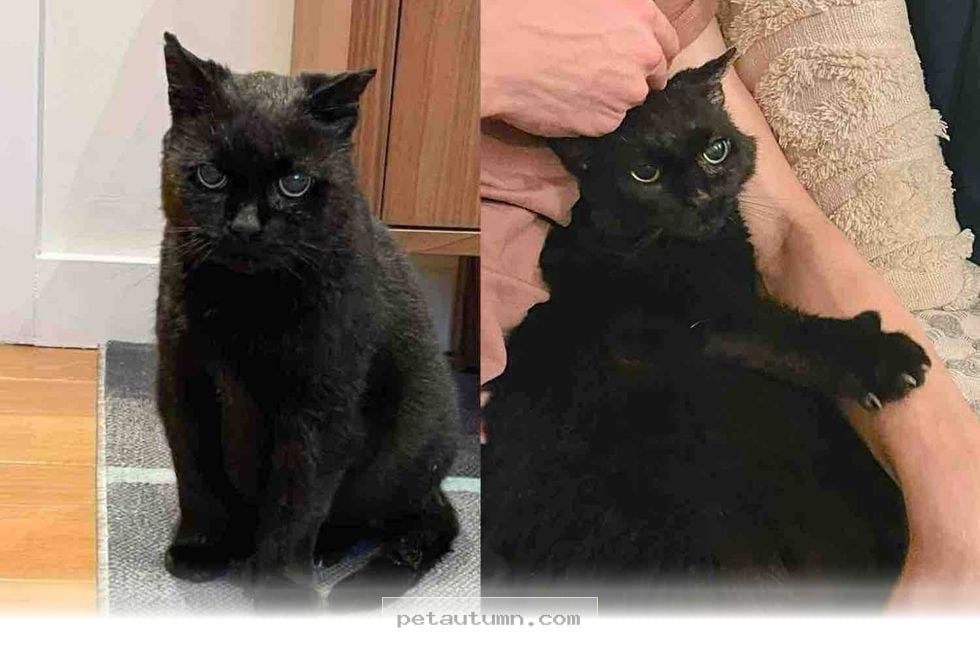
When a rescue team recently discovered a cat living in the shadows of a noisy industrial site, they expected a fight. Instead, they found a soul waiting for someone to finally see him.
Key Takeaways
- Stray cats in industrial areas often struggle with fear and malnutrition.
- Patience is your best tool when building trust with a rescued animal.
- Blind or visually impaired cats can live full, happy lives in stable homes.
- Early veterinary assessment is vital for any cat coming off the streets.
The Reality of Industrial Rescues
Industrial sites present unique dangers for cats, including heavy machinery, toxic chemicals, and a lack of consistent food sources. Most cats in these environments stay hidden to avoid the constant activity.
When rescuers finally cornered this specific cat, he did not hiss or scratch. He simply leaned into their touch, showing he was tired of the struggle.
Signs of a Distressed Stray
If you are observing a cat that might need help, watch for these common physical and behavioral signals:
- Matted, dirty, or thinning fur patches.
- Visible ribs or a gaunt, underweight appearance.
- Discharge from the eyes or persistent sneezing.
- Extreme skittishness or inability to focus on surroundings.
- Presence of parasites like fleas or ticks.
Providing a Path to Recovery
Bringing a stray home is a big commitment that requires a quiet space and a lot of love. You need to create an environment where the cat feels safe enough to lower his guard.
This particular cat faced the added challenge of blindness, which likely made his time on the industrial site even more terrifying. Once he realized he was safe, his transformation into a gentle companion happened almost overnight.
1. Create a Safe Haven
Start by setting up a small, quiet room with everything the cat needs. Use a crate or a carrier left open so he can retreat if he feels overwhelmed.
2. Establish a Routine
Cats thrive on predictability, especially those who have known instability. Feed him at the same times every day and maintain a consistent schedule for play or interaction.
3. Master the Art of Patience
Do not force affection upon a new rescue. Sit quietly in the room while reading or working so he gets used to your presence without pressure.
4. Consult the Experts
Schedule a full health screening with your veterinarian immediately. Many strays carry underlying issues that are not visible to the naked eye.
5. Build Trust Through Play
Engage him with gentle toys that make noise, which helps a blind cat navigate and interact with his new world.
Comparing Shelter Life and Home Environments
Transitioning from a harsh industrial site to a loving home changes a cat’s entire outlook on life. The following table illustrates why a controlled home environment is superior for long-term recovery.
| Factor | Industrial Site | Your Home |
|---|---|---|
| Safety | Very Low | High |
| Food Security | Sporadic | Consistent |
| Socialization | None | High Quality |
| Medical Access | Non-existent | Routine Care |
Supporting Your New Companion
Living with a formerly stray cat teaches you the value of small victories. Every time he chooses to sit near you, it is a testament to the bond you are building together.
If you are interested in helping, consider reaching out to local groups like the ASPCA to learn about fostering or adoption. You might just find your new best friend waiting in the most unlikely place.
The information on petautumn.com is for general informational purposes only and does not constitute veterinary advice. Pet health needs vary by breed, age, and individual condition. Always consult a licensed veterinarian before making decisions about your pet’s health, diet, or medical treatment. Pet Autumn is not affiliated with any veterinary organization, pet food manufacturer, or breeder.
Watching a cat move from the uncertainty of an industrial site to the warmth of a loving home is truly special. He is now the gentlest soul, proving that love can heal even the deepest scars of a difficult past.
You have the power to change a life by offering a stable, kind, and patient environment. If you ever find a cat in need, remember that your presence might be the only thing standing between his struggle and a happy future.

Cat care writer at petautumn.com. English Literature graduate (S.S) from Universitas Udayana. Covers cat breeds, behavior, nutrition, grooming, and health. Cat mom to Luna and Lina. Based in Austin, Texas.