[Last Updated: May 22, 2024]
Written by Ayu Pratiwi
Have you ever wondered what happens to our beloved pets when an owner passes away or enters hospice care? It is a heavy topic, but one that deserves our attention to ensure no animal is left behind.
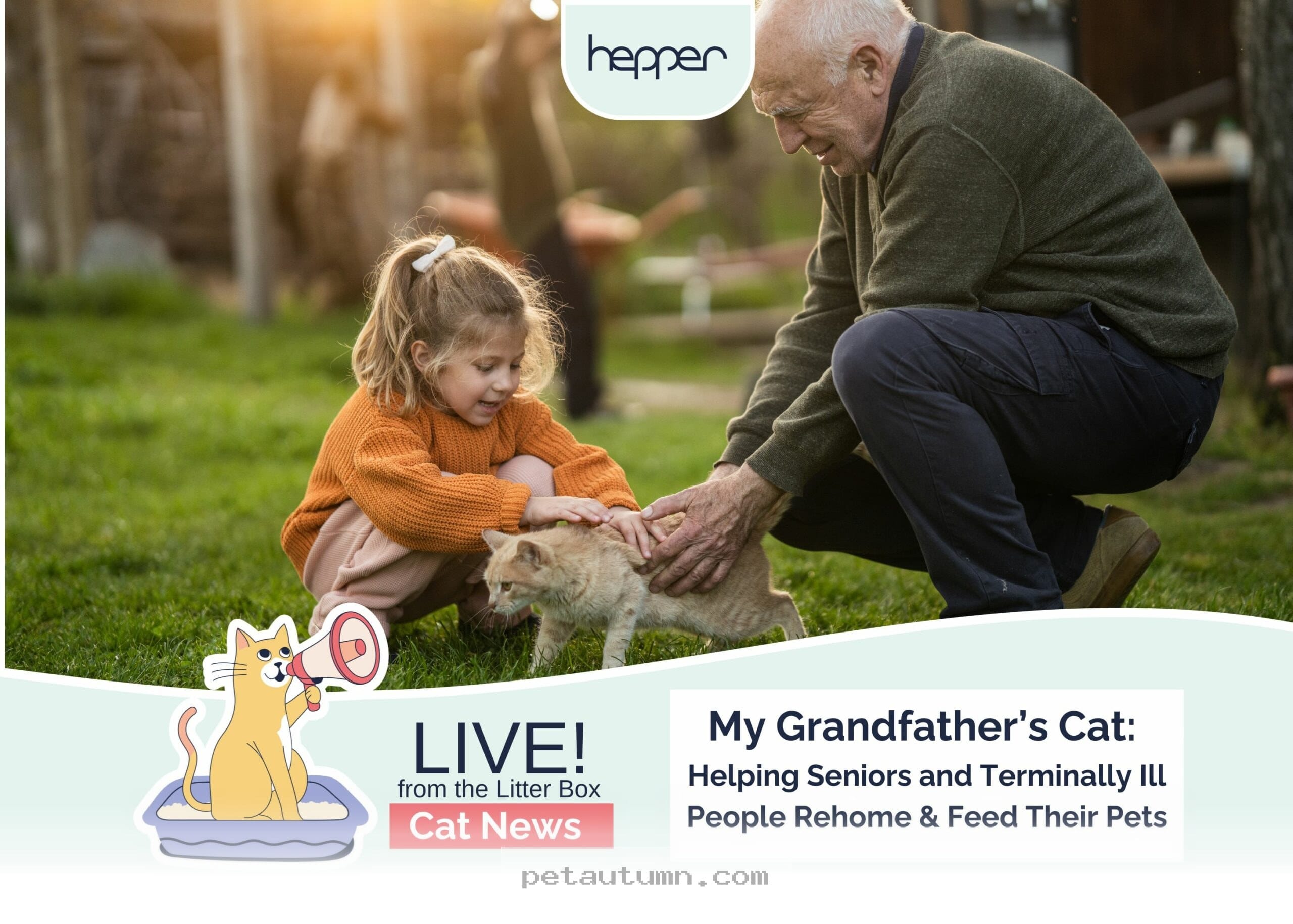
I recently walked through this experience with my grandfather’s cat. Watching a family navigate the emotional weight of illness while trying to secure a future for a furry companion is a deeply moving process.
Key Takeaways
- Early planning is the best gift you can give your pet and your family.
- In-home care services can help seniors keep their pets longer.
- Rescues and foster networks are vital for rehoming pets of the terminally ill.
- Consistent nutrition schedules are essential for pets adjusting to new environments.
Preparing for the Unexpected
Planning for your pet’s future is an act of love, not just logistics. When you are managing your own health, the stress of pet care can become overwhelming for everyone involved.
Many people assume a relative will automatically take the cat or dog. However, that is not always possible due to allergies, housing rules, or lifestyle changes.
1. Create a Pet Trust
A pet trust is a legal arrangement that ensures your pet is cared for according to your specific wishes. You can designate a caregiver and set aside funds to cover their food, veterinary bills, and grooming needs.
2. Identify a Support Network
Start by talking to friends and family members who have met your pet. You need someone who is familiar with your pet’s personality and daily habits.
3. Organize Vital Records
Keep a binder with your pet’s medical history, vaccination records, and microchip information. This makes the transition significantly easier for whoever steps in to help.
| Planning Stage | Ease of Setup | Impact Level |
|---|---|---|
| Documenting Medical History | High | Critical |
| Finding a Foster Home | Medium | High |
| Setting up a Pet Trust | Low | Very High |
| Relying on Informal Promises | Very High | Low |
Proactive communication is the foundation of a successful transition for your companion.
Managing Nutrition for Senior Pets
When a senior owner struggles to provide care, nutrition often becomes the first challenge. Cats, in particular, are creatures of habit and can become stressed by irregular feeding times.
Common Feeding Challenges
- Memory lapses leading to missed meals or double feeding.
- Physical difficulty handling heavy bags of kibble.
- Changes in appetite due to the owner’s illness or stress.
- Inability to monitor water intake properly.
Solutions for Consistent Feeding
- Use automatic feeders that dispense portion-controlled meals on a schedule.
- Switch to smaller, easier-to-handle food containers for those with limited mobility.
- Establish a clear feeding log that visitors or caregivers can sign.
- Consult resources like Cornell Feline Health Center for senior dietary needs.
If you are looking for local assistance, consider reaching out to programs like Meals on Wheels, which often provides pet food support for homebound seniors.
Rehoming with Compassion
If keeping the pet is not an option, you must look for a placement that prioritizes the animal’s well-being. Shelters can be extremely frightening for older cats who have lived in quiet, loving homes for years.
Traits of a Good Transition Plan
- Direct placement into a new home rather than a shelter.
- Sharing detailed notes on the cat’s favorite toys and hiding spots.
- Slow introductions to new environments to reduce anxiety.
- Ongoing updates between the previous owner and the new family.
Look for breed-specific rescues if your pet is a particular breed, as they often have specialized knowledge. You can also check the ASPCA website for guidance on finding reputable rescue organizations in your area.
The information on petautumn.com is for general informational purposes only and does not constitute veterinary advice. Pet health needs vary by breed, age, and individual condition. Always consult a licensed veterinarian before making decisions about your pet’s health, diet, or medical treatment. Pet Autumn is not affiliated with any veterinary organization, pet food manufacturer, or breeder.
Taking these steps now ensures that your pet remains safe and loved regardless of life’s changes. Your foresight provides comfort to both the animal and those who care for them.
Planning for the future is not about dwelling on the end, but about honoring the bond you share with your pet. By making these decisions today, you protect the happiness of your four-legged friend for years to come.

Cat care writer at petautumn.com. English Literature graduate (S.S) from Universitas Udayana. Covers cat breeds, behavior, nutrition, grooming, and health. Cat mom to Luna and Lina. Based in Austin, Texas.