Written by Ayu Pratiwi
Have you ever woken up to a sound so sweet it instantly brightens your entire morning? For those of us living with cats, the gentle, rhythmic squeaks of a beloved feline friend are often the highlight of our daily routine.
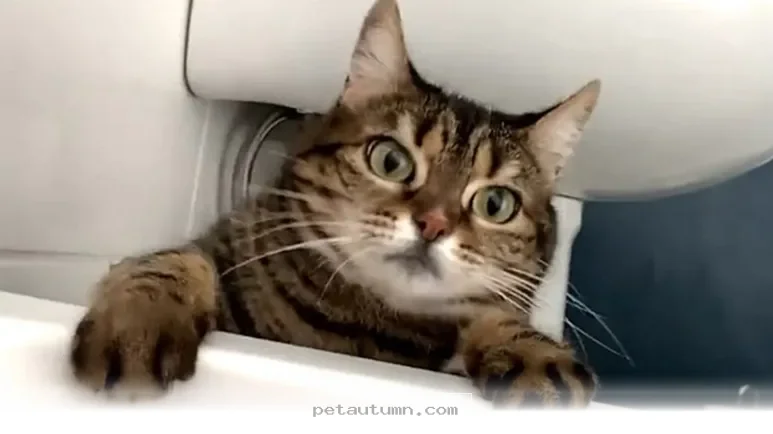
Madam Squeak is a perfect example of this feline charm, having spent 16 years greeting her humans with a unique vocal routine. She reserves her tiny, heart-melting squeaks strictly for the morning hours, maintaining a peaceful silence for the rest of the day.
Key Takeaways
- Cats often develop unique vocal signals to communicate specific needs or greetings to their favorite humans.
- Senior cats, like 16-year-old Madam Squeak, may become more selective with their vocalizations as they age.
- A sudden change in your cat’s vocal habits can sometimes signal an underlying health issue or stress.
- Consistent morning vocalizations are often a sign of a strong, healthy bond between a pet and their owner.
- Observing your cat’s specific patterns helps you understand their personality and emotional well-being better.
Understanding Feline Vocalization
Cats are masters of communication, using a sophisticated blend of body language, scent, and sound to express themselves. While we often think of the classic "meow," the reality is that adult cats primarily use vocalizations to interact with humans rather than with each other.
Some cats are naturally chatty, while others prefer to keep their thoughts to themselves. When your cat develops a specific "morning routine" involving squeaks or chirps, it is often their way of saying good morning or requesting their breakfast.
1. Why Cats Make Specific Sounds
- The Greeting Squeak: A high-pitched, short sound often used to express excitement or happiness upon seeing you.
- The Chirp: Often used by mother cats to signal kittens, but adult cats use it to get your attention.
- The Meow: The most common way cats ask for food, door access, or play sessions.
- The Trill: A friendly, melodic sound that indicates contentment or a positive social invitation.
When Vocal Habits Change
As your cat enters their golden years, you might notice subtle shifts in how they communicate. A cat that was once talkative might become quieter, or a reserved cat might start squeaking more frequently to ensure you notice them.
If your cat suddenly begins vocalizing significantly more or less than usual, it is always a good idea to monitor them closely. Changes in behavior are often the first sign that something might be bothering your companion, such as discomfort or a change in their environment.
Monitoring Your Senior Cat
| Signal | Meaning | Action Needed |
|---|---|---|
| Morning Squeaks | Habitual greeting | Enjoy the interaction |
| Frequent Night Yowling | Potential cognitive decline | Consult your veterinarian |
| Sudden Silence | Possible pain or stress | Observe for other symptoms |
| Increased Meowing | Seeking attention or food | Provide mental stimulation |
Note: The table above is for educational purposes regarding common feline behaviors. Always prioritize professional medical advice.
Tips for Bonding Through Communication
Building a deeper connection with your cat starts with listening to the language they have created just for you. When Madam Squeak lets out her morning sound, her owners know it is a time for connection and affection.
You can encourage this positive behavior by responding with a soft, calm voice or a gentle pet. Creating a predictable morning routine helps your cat feel secure, which often leads to more expressive and happy vocalizations.
1. Simple Steps to Strengthen Your Bond
- Be Consistent: Feed and interact with your cat at similar times every day to build trust.
- Respond Calmly: If your cat squeaks at you, acknowledge them with a soft tone rather than shouting.
- Observe Body Language: Look at their ears, tail, and posture while they vocalize to understand the full message.
- Provide Enrichment: Ensure your cat has plenty of toys and scratching posts to stay happy and healthy.
- Keep Health Records: Note any changes in vocal habits and share them during your regular vet check-ups.
The information on petautumn.com is for general informational purposes only and does not constitute veterinary advice. Pet health needs vary by breed, age, and individual condition. Always consult a licensed veterinarian before making decisions about your pet’s health, diet, or medical treatment. Pet Autumn is not affiliated with any veterinary organization, pet food manufacturer, or breeder.
Watching a senior cat like Madam Squeak continue to share her love through these morning squeaks is a reminder of how special our feline companions are. It is a simple, beautiful ritual that keeps the bond between pet and owner strong throughout the years.
Take a moment tomorrow morning to really listen to your cat. You might find that they are saying much more than you realized, and that quiet, unique language is exactly what makes your relationship so irreplaceable.

Dog care writer at petautumn.com. Visual Communication Design graduate (S.Ds) from Universitas Udayana. Covers dog breeds, behavior, training, and gear reviews. Dog dad to Meepo. Based in Austin, Texas.