Written by Kadek Darma
Many people find tiny turtles absolutely adorable, often viewing them as the perfect low-maintenance starter pet for their children. However, beneath that cute exterior lies a hidden health risk that many families fail to recognize before bringing one home.
Even though these small reptiles seem harmless, they are frequent carriers of harmful bacteria that can cause serious illness in humans. If you are considering adding a new animal to your family, you need to understand why these particular pets are often a dangerous choice for your household.
Key Takeaways
- Small turtles under four inches are illegal to sell due to the high risk of salmonella transmission.
- Children under five years old, the elderly, and those with weakened immune systems face the highest danger.
- Reptiles and amphibians naturally carry bacteria that can easily contaminate your home surfaces.
- Avoiding impulse purchases from street vendors or flea markets is essential for public health safety.
- Proper habitat maintenance is expensive and complex, which often leads to poor animal welfare.
The Hidden Dangers of Small Turtles
The United States Food and Drug Administration (FDA) implemented a ban on the sale of small turtles with shells measuring four inches or less back in 1975. This public health regulation remains one of the most effective measures to prevent the spread of turtle-associated salmonellosis across the country.
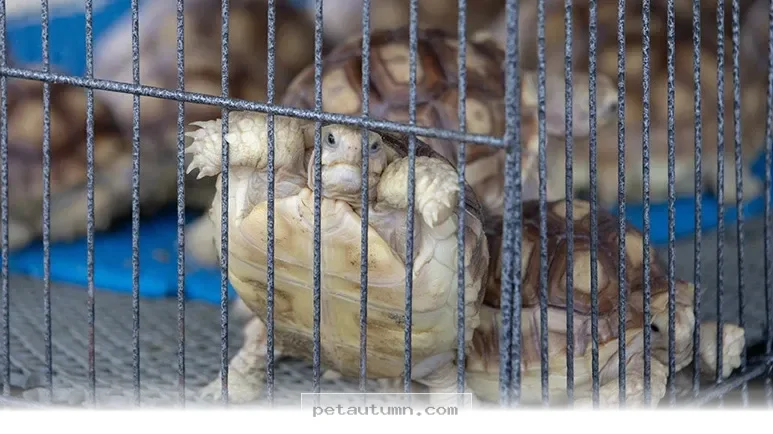
Despite this long-standing federal ban, these animals continue to appear at flea markets, beaches, and roadside stands. Many vendors attempt to bypass the law by offering the turtle for free with the purchase of a tiny, inadequate enclosure, which remains a strictly illegal practice.
Why Salmonella Poses a Serious Risk
Salmonella bacteria naturally reside in the intestinal tracts of many reptiles, including turtles, snakes, lizards, and amphibians. While the animals themselves often appear healthy and show no symptoms, they can shed these bacteria into their water and onto their shells.
When you or your children handle these pets, the bacteria easily transfer to your hands and surfaces throughout your home. If a child touches the turtle and then touches their mouth or food, the risk of infection becomes immediate and significant.
| Risk Factor | Severity |
|---|---|
| Adults with strong immune systems | Lower risk of severe complications |
| Elderly individuals | Higher risk of severe illness |
| Children under age 5 | Very high risk of hospitalization |
Common Symptoms of Infection
If you suspect you or a family member has contracted an illness after handling a reptile, monitor for these common signs.
- Sudden fever or chills
- Persistent abdominal cramps
- Diarrhea, sometimes bloody
- Nausea and vomiting
- Headaches that won’t subside
1. The Myth of the Starter Pet
Many parents mistakenly believe that turtles are low-maintenance, but providing a healthy environment is actually a massive undertaking. A proper habitat requires a large aquarium, professional-grade water filtration, UV lighting, and specific heating elements to prevent illness.
2. Protecting Your Household
If you currently own a reptile, you must practice strict hygiene to keep your family safe. Always wash your hands thoroughly with soap and warm water immediately after touching the animal or cleaning their enclosure.
3. Avoiding Illegal Sales
Never purchase a turtle from a street vendor or a flea market stall. These animals are often kept in poor conditions, which increases their stress levels and the amount of bacteria they shed.
4. Educating Your Children
Explain to your children that reptiles are not like dogs or cats and should not be handled like cuddly pets. Keeping them away from animal habitats prevents accidental exposure to contaminated water or surfaces.
5. Seeking Professional Advice
If you have questions about the health risks associated with exotic pets, consult with the American Veterinary Medical Association for reliable information. You can also review guidelines provided by the CDC regarding safe interaction with reptiles and amphibians.
The information on petautumn.com is for general informational purposes only and does not constitute veterinary advice. Pet health needs vary by breed, age, and individual condition. Always consult a licensed veterinarian before making decisions about your pet’s health, diet, or medical treatment. Pet Autumn is not affiliated with any veterinary organization, pet food manufacturer, or breeder.
Choosing a pet is a long-term commitment that requires careful research into both the animal’s needs and your own family’s safety. While turtles have a unique appeal, the risks associated with salmonella often outweigh the benefits of keeping them in a home with small children.
Prioritize the well-being of your loved ones by choosing species that are known to be safe companions for your specific lifestyle. By staying informed and avoiding illegal sales, you help protect your community and ensure that your home remains a healthy environment for everyone.

Dog care writer at petautumn.com. Visual Communication Design graduate (S.Ds) from Universitas Udayana. Covers dog breeds, behavior, training, and gear reviews. Dog dad to Meepo. Based in Austin, Texas.