Written by Kadek Darma
Ear problems in dogs have become an almost universal struggle for pet parents today. Because of the unique L-shaped structure of the canine ear canal, debris and moisture often become trapped, creating a perfect environment for irritation and discomfort.
Unlike our own straight ear canals, a dog’s anatomy requires that wax and debris travel around a sharp ninety-degree turn to reach the outer opening. This structural challenge makes regular monitoring a vital part of your routine to keep your pup happy and pain-free.
Key Takeaways
- Dog ear canals are L-shaped, which naturally traps moisture, wax, and debris.
- Inflammation often precedes infection, so catching early redness is essential.
- Common triggers include environmental allergies, trapped moisture, and excessive wax production.
- Daily visual checks and consistent, gentle cleaning are your best tools for prevention.
- Identifying the underlying cause is more effective than just treating symptoms repeatedly.
Recognizing the Signs of Trouble
When your dog is dealing with ear issues, their behavior is usually the first indicator that something is wrong. You might notice them shaking their head frequently, tilting it to one side, or rubbing their ears against your furniture or carpet.
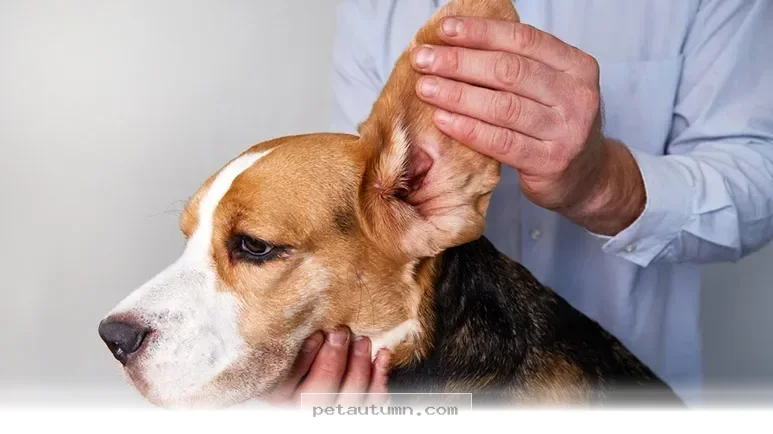
A healthy ear canal should appear a soft, pale pink and possess no noticeable odor. If you peek inside and see redness, swelling, or discharge, or if your dog reacts with discomfort when you touch their ears, it is time to take notice.
Common Symptoms to Watch For
- Frequent head shaking or tilting
- Persistent scratching at the ears
- Redness or swelling of the ear flap and canal
- Unpleasant, yeasty, or foul-smelling odor
- Excessive dark or waxy discharge
- Sensitivity or pain when the ear area is touched
Why Ear Problems Become Chronic
Many dog owners find themselves in a cycle where an ear infection seems to clear up, only to return a few weeks later. Often, this happens because the initial inflammation was never fully resolved, or the underlying cause, such as an allergy, remains unaddressed.
If your dog has warm, red, or itchy ears without discharge, you are likely looking at simple inflammation. However, once discharge appears or the smell becomes pungent, the situation has typically progressed to a secondary bacterial or fungal infection.
Comparing Ear Conditions
| Condition | Key Indicators | Status |
|---|---|---|
| Inflammation | Redness, warmth, itching, no discharge | Caution |
| Infection | Foul odor, thick discharge, pain | Warning |
| Healthy Ear | Pale pink, no odor, clean | Positive |
1. The Role of Wax and Moisture
Some dogs, particularly breeds like Labradors, naturally produce more wax than others. If you have a water-loving dog, you must be diligent about drying their ears thoroughly after every swim or bath to prevent "swimmer’s ear."
2. Addressing Allergies
Allergies are perhaps the most frequent trigger for chronic ear inflammation in dogs. Whether it is a reaction to food or airborne allergens, the body often expresses this internal irritation through the skin and ears.
3. Routine Maintenance Steps
- Daily Inspection: Make it a habit to check your dog’s ears for redness or debris during your daily bonding time.
- Gentle Cleaning: If your veterinarian recommends it, use a mild, vet-approved ear cleaning solution to wipe away surface wax.
- Stay Dry: Always use a soft towel to dry the inside of the ear flap after your dog has been in the water.
- Monitor Behavior: Keep an eye out for sudden changes in how your dog holds their head or interacts with their environment.
Prevention and Long-Term Care
Prevention is truly the most effective strategy for managing your dog’s ear health. By keeping the canal clean and dry, you remove the conditions that bacteria and yeast need to thrive.
If your dog is prone to recurring issues, talk to your veterinarian about identifying the underlying cause to break the cycle. A proactive approach to your dog’s daily hygiene will help you catch small issues before they turn into painful, long-term problems.
The information on petautumn.com is for general informational purposes only and does not constitute veterinary advice. Pet health needs vary by breed, age, and individual condition. Always consult a licensed veterinarian before making decisions about your pet’s health, diet, or medical treatment. Pet Autumn is not affiliated with any veterinary organization, pet food manufacturer, or breeder.
Consistency is your greatest ally when it comes to maintaining your pet’s comfort. Even though it might take a little extra time each day, your dog will surely thank you for the relief.
Remember that you know your dog better than anyone else. If their behavior changes or you notice something unusual in their ears, reach out to your veterinary team sooner rather than later to get things back on track.

Dog care writer at petautumn.com. Visual Communication Design graduate (S.Ds) from Universitas Udayana. Covers dog breeds, behavior, training, and gear reviews. Dog dad to Meepo. Based in Austin, Texas.