Written by Kadek Darma
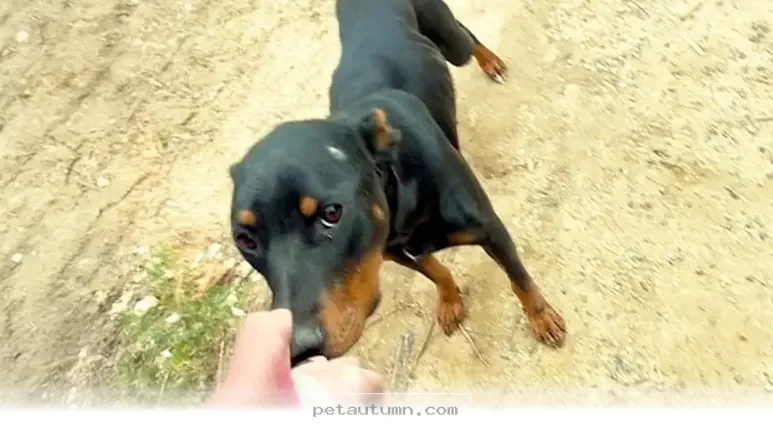
Finding a stray dog living in a tent with seven newborn puppies is a heartbreaking sight that truly tests your patience and empathy. When rescuers first encountered Darcy, she was terrified, protective, and clearly struggling to keep her little family safe in a harsh environment.
Building trust with a fearful mother dog requires an incredible amount of patience and a gentle approach. Over time, this mama dog learned that she and her puppies were finally in a safe place, allowing her to transition from a scared stray into a loving companion.
Key Takeaways
- Fearful dogs often need a quiet space to decompress after being rescued from high-stress environments.
- Establishing trust takes time, so you should never force physical contact with a nervous mother dog.
- Providing a stable, calm routine helps a mother dog focus on her puppies instead of potential threats.
- Proper nutrition and veterinary care are vital for a nursing mother to support her growing litter.
- Observing behavior helps you recognize when a dog is ready to transition from protective mode to social mode.
Understanding the Behavior of a Protective Mama Dog
When a mother dog feels threatened, her primary instinct is to guard her litter against perceived intruders. This behavior is completely natural, even if it makes the rescue process difficult for humans trying to help.
You might notice specific signs of fear or territorial aggression when approaching a nursing mother. It is essential to recognize these cues to keep both yourself and the canine family safe during the rescue.
Common Signs of Fear and Protection
- Growling or barking when you enter her personal space.
- Cowering or hiding behind her puppies to shield them.
- Pacing back and forth or showing signs of restlessness.
- Refusing to eat or drink while you are watching her.
- Snapping or lunging if you get too close to the nesting area.
| Behavioral Stage | What It Means |
|---|---|
| High Alert | Stiff body, ears forward, constant vocalization. |
| Testing Phase | Hesitant approach, tail tucked, accepting treats from a distance. |
| Trusting Phase | Relaxed posture, wagging tail, seeking physical comfort. |
How to Help a Scared Mother Dog
When you decide to assist a stray mother and her puppies, you must prioritize their comfort above all else. Taking small, calculated steps will help the mother dog realize that you are an ally, not a threat to her babies.
1. Provide a Quiet and Secure Environment
A nursing dog needs a sanctuary where she feels hidden and protected from loud noises or foot traffic. Set up a whelping box or a cozy crate in a low-traffic corner of your home.
2. Practice Patience with Feeding
Sometimes, a stressed mama may not want to eat in your presence. Leave her food in a bowl near the entrance of her space and walk away to give her privacy.
3. Use Passive Interaction Techniques
Sit on the floor near her area without making eye contact or trying to touch her. This allows her to get used to your scent and presence without feeling the pressure of a direct interaction.
4. Monitor Health Without Stressing Her
Keep a close eye on her physical condition, looking for signs of fatigue or lack of appetite. If you have concerns, refer to resources from the American Veterinary Medical Association to ensure you are meeting her basic needs.
5. Socialization Should Be Gradual
Once she stops growling and begins to relax, you can slowly offer treats from your hand. Eventually, she will likely seek out affection on her own terms, which is a major milestone in her recovery.
| Essential Supplies | Why You Need Them |
|---|---|
| High-quality puppy food | High caloric content for nursing. |
| Soft bedding | Keeps puppies warm and comfortable. |
| Baby monitor | Allows you to monitor her without disturbing her. |
Transitioning from a life of survival to a life of comfort is a significant change for any dog. By keeping the environment stable, you allow the mother dog to focus on the essential task of raising her puppies until they are ready to be adopted into their own forever homes.
The information on petautumn.com is for general informational purposes only and does not constitute veterinary advice. Pet health needs vary by breed, age, and individual condition. Always consult a licensed veterinarian before making decisions about your pet’s health, diet, or medical treatment. Pet Autumn is not affiliated with any veterinary organization, pet food manufacturer, or breeder.
Watching a dog like Darcy learn to trust is a beautiful experience that reminds us of the resilience of animals. With enough love and patience, even the most guarded mother can become a sweet, affectionate companion who truly appreciates her second chance at life.
If you are ever in a position to help a stray dog with a litter, remember that your calm presence is the greatest gift you can provide. Your commitment to their safety will eventually pay off when you see that fearful mama dog finally wag her tail in joy.

Dog care writer at petautumn.com. Visual Communication Design graduate (S.Ds) from Universitas Udayana. Covers dog breeds, behavior, training, and gear reviews. Dog dad to Meepo. Based in Austin, Texas.