Written by Kadek Darma
Hearing that your dog has osteoarthritis can feel like a heavy blow to your heart. You might immediately worry that their best days are behind them or that their comfort will quickly fade away.
The truth is much brighter than that initial fear suggests. With the right care and a proactive mindset, your dog can continue to lead a vibrant, happy life by your side.
Key Takeaways
- Osteoarthritis is the most common joint condition in dogs, affecting cartilage health.
- Contrary to popular belief, OA is not just an "old dog" disease; it often begins during early development.
- Weight management is the single most effective way to reduce joint stress and improve lameness.
- Physical activity is essential to keep joints lubricated and maintain muscle tone.
- Early detection and consistent monitoring allow you to adjust care plans for better comfort.
Understanding Canine Osteoarthritis
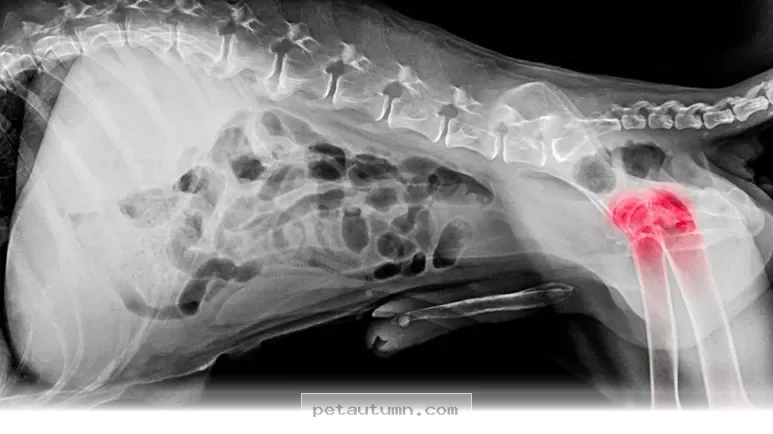
Osteoarthritis, often called degenerative joint disease, involves the gradual breakdown of the cartilage that cushions your dog’s joints. When this protective layer wears thin, bone rubs against bone, which causes the inflammation and stiffness you may notice during your daily walks.
This condition is categorized into primary and secondary forms. Primary OA is generally linked to the natural aging process, while secondary OA stems from specific issues like past injuries, developmental abnormalities, or structural concerns like hip dysplasia.
Common Symptoms to Watch For
Your dog may not be able to tell you where it hurts, so keep a close eye on their daily behavior. If you notice these signs, it is time to have a conversation with your veterinarian:
- Difficulty rising from a lying position or struggling to climb stairs
- A noticeable stiff gait, especially after sleeping or resting
- Reluctance to jump onto furniture or into the car
- Reduced interest in playing or going for long walks
- Visible lameness or favoring one specific limb
- Irritability or sensitivity when you touch their back or legs
Debunking Common Myths
Many pet parents cling to outdated ideas that actually hinder their dog’s recovery and quality of life. Let’s clear the air so you can focus on what truly helps your companion thrive.
1. The Age Myth
Many people believe OA only happens to seniors, but this is a major misconception. Joint issues often begin as subtle developmental problems during a puppy’s rapid growth phase, only showing visible symptoms years later.
2. The Rest Myth
There is a persistent belief that arthritic dogs should stop exercising to "save" their joints. In reality, gentle, consistent movement is vital to keep joints lubricated and prevent the muscles surrounding the joint from wasting away.
3. The Fatalistic Myth
A diagnosis is not a death sentence for your dog’s happiness. With modern management strategies, most dogs live long, comfortable lives by remaining active and maintaining a healthy body condition.
The Importance of Weight Management
If your dog is carrying extra weight, every step they take puts unnecessary pressure on their already sensitive joints. Keeping your dog lean is one of the most powerful gifts you can provide for their long-term health.
| Weight Status | Impact on Joints | Recommendation |
|---|---|---|
| Overweight | High stress; increased inflammation | Consult vet for caloric adjustment |
| Ideal Weight | Minimal joint strain; better mobility | Maintain current diet and activity |
| Underweight | Risk of muscle loss; joint instability | Ensure balanced, nutrient-dense diet |
Studies have shown that even a modest weight loss can result in a massive improvement in lameness. By helping your dog shed just a small percentage of body weight, you are directly reducing the physical strain on their skeleton.
Strategies for Daily Comfort
Managing this condition requires a team effort between you and your veterinarian. You can improve your dog’s daily comfort by focusing on these three areas:
- Prioritize Lean Muscle: Work with your vet to create an exercise plan that builds muscle without overexerting joints. Swimming or controlled walking on soft surfaces are often excellent, low-impact options.
- Monitor Regularly: Keep a simple journal of your dog’s mobility. Note which days they seem stiff and which days they are energetic, as this data helps your vet refine their care plan.
- Optimize the Home Environment: Use orthopedic beds to provide better support while your dog sleeps. Adding rugs to slippery hardwood floors can also give them the traction they need to stand up without straining.
The information on petautumn.com is for general informational purposes only and does not constitute veterinary advice. Pet health needs vary by breed, age, and individual condition. Always consult a licensed veterinarian before making decisions about your pet’s health, diet, or medical treatment. Pet Autumn is not affiliated with any veterinary organization, pet food manufacturer, or breeder.
Caring for a dog with joint challenges requires patience and a gentle touch, but it is deeply rewarding. By focusing on weight control and movement, you are doing everything possible to keep them happy and comfortable.
Always remember that your bond is the most important part of their life. Keep them moving, keep them lean, and enjoy every walk you take together.

Cat care writer at petautumn.com. English Literature graduate (S.S) from Universitas Udayana. Covers cat breeds, behavior, nutrition, grooming, and health. Cat mom to Luna and Lina. Based in Austin, Texas.