Written by Kadek Darma
Most people spend their summer days trying to shoo them out of the kitchen or clear them from the garden. You might view these tiny visitors as nothing more than an annoyance, yet they are the silent architects of the world beneath your feet.
These creatures have been around since the very dawn of terrestrial life. While they often end up on the wrong side of a rolled-up magazine, they actually play a massive role in keeping our global ecosystem functioning.
Key Takeaways
- Insects arrived on Earth approximately 480 million years ago alongside the first land plants.
- They were the very first creatures to conquer both the land and the sky.
- Many insect species alive today look nearly identical to their ancestors from the dinosaur era.
- These tiny animals are essential for pollination, soil health, and supporting the global food web.
The Ancient Origins of Earth’s Smallest Inhabitants
A groundbreaking two-year study involving over 100 researchers from ten different countries finally mapped the complex evolution of insects. Published in the journal Science, this research provides a clearer picture of how these resilient creatures shaped our planet.
Insects did not just survive; they thrived by evolving alongside early land plants. This partnership helped establish the first stable ecosystems on Earth, creating the foundation for the biodiversity you see in your own backyard today.
1. The Pioneers of Land and Flight
While life began in the water, insects were the true trailblazers of the terrestrial world. They developed the ability to fly long before birds or bats ever took to the air, giving them a significant head start in occupying every corner of the globe.
It is fascinating to realize that if you could travel back to the Jurassic period, you would recognize many of the insects buzzing around. Their evolutionary blueprint has been remarkably successful for hundreds of millions of years.
2. Understanding Insect Longevity
Many people assume insects have changed drastically over time, but the truth is quite the opposite. Their physical structures have remained largely consistent, which proves that they were perfectly adapted to their environments from the very beginning.
| Insect Group | Approximate Age | Key Evolutionary Trait |
|---|---|---|
| Silverfish | 420 million years | Wingless survivors |
| Dragonflies | 406 million years | Early aerial predators |
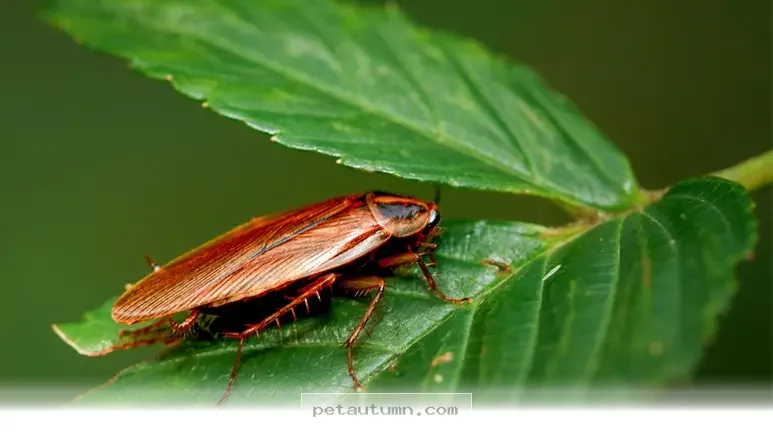
| Cockroaches | 230 million years | Highly resilient scavengers |
| Crickets | 200 million years | Ancestors predated grass |
3. Why These Ancient Neighbors Matter
Whether they are pollinating the vegetables in your garden or breaking down organic matter in the soil, insects provide services that are impossible to replace. Without them, the natural cycles that sustain our pets and our own food sources would simply grind to a halt.
When you see a beetle or a cricket, try to remember that you are looking at a living piece of history. These insects have survived mass extinctions and shifting climates, proving their incredible importance to the health of our planet.
| Trait | Ecological Role |
|---|---|
| Pollination | Ensures plant reproduction and food growth |
| Decomposition | Recycles nutrients back into the soil |
| Predation | Controls populations of other smaller pests |
4. Supporting Your Local Ecosystem
You can support the insects in your area by keeping your yard chemical-free and providing native plants for them to use as a habitat. Small changes in how you maintain your garden can provide a massive boost to these ancient, essential neighbors.
If you find an insect in your home, consider gently escorting it outside rather than reaching for a spray. Most of them are simply looking for a place to rest and are not interested in causing any trouble for you or your pets.
The information on petautumn.com is for general informational purposes only and does not constitute veterinary advice. Pet health needs vary by breed, age, and individual condition. Always consult a licensed veterinarian before making decisions about your pet’s health, diet, or medical treatment. Pet Autumn is not affiliated with any veterinary organization, pet food manufacturer, or breeder.
Next time you spot a dragonfly near your local pond or a cricket chirping in the grass, take a moment to appreciate their long journey. They have been here far longer than us, and they continue to do the heavy lifting that keeps our world green and vibrant.
Understanding their history helps us appreciate the complexity of the nature we share with our pets. By protecting these small creatures, we ensure that the environment remains healthy for every member of your household, both human and animal. For more information on the history of wildlife and biodiversity, you can visit resources like the American Kennel Club or the ASPCA to learn how to keep your pets safe while exploring the outdoors.

Cat care writer at petautumn.com. English Literature graduate (S.S) from Universitas Udayana. Covers cat breeds, behavior, nutrition, grooming, and health. Cat mom to Luna and Lina. Based in Austin, Texas.