Written by Kadek Darma
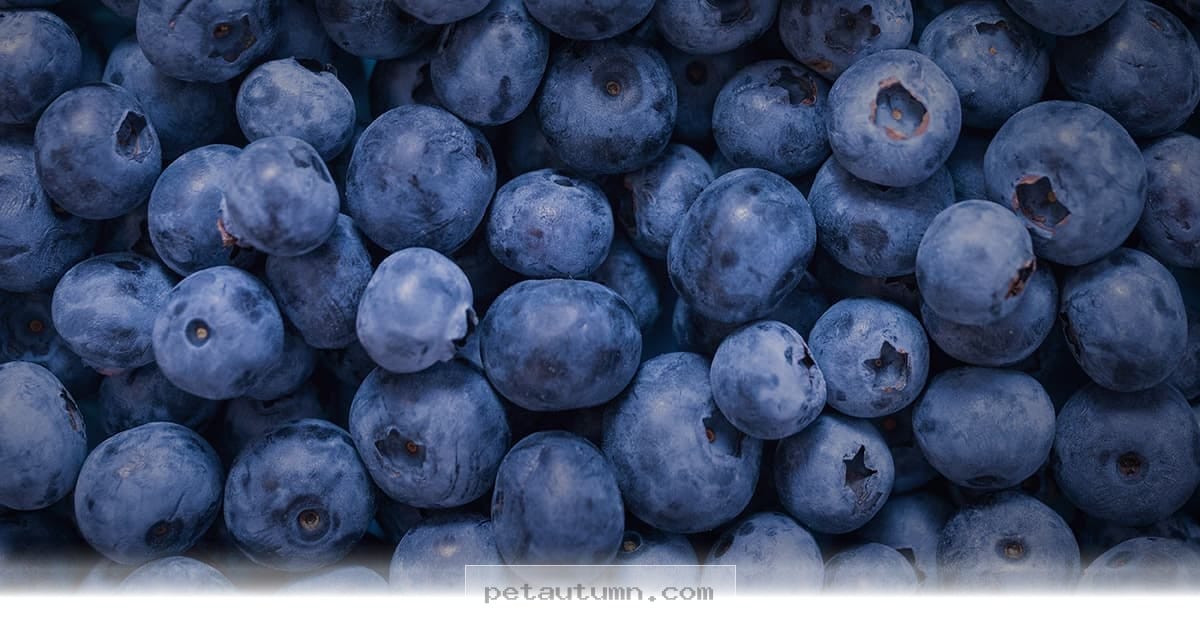
Blueberries are small, naturally sweet, and incredibly easy to share with your furry best friend. You might find yourself wondering if these tiny treats are actually safe for your dog to snack on.
In most cases, the answer is a resounding yes. Plain blueberries, whether served fresh or frozen, can be a delightful addition to your dog’s diet when offered in moderation.
Key Takeaways
- Blueberries are a low-calorie treat packed with antioxidants, fiber, and essential vitamins.
- Always serve berries plain, washed, and free from added sugars, syrups, or artificial ingredients.
- Treats should never exceed 10 percent of your dog’s total daily caloric intake.
- Avoid processed items like blueberry muffins or yogurts, which may contain harmful additives or xylitol.
- Introduce new foods slowly to monitor your dog for any signs of digestive discomfort.
Nutritional Benefits and Considerations
Blueberries offer a nice variety of nutrients, including vitamin C, vitamin K, and fiber. These components help protect cells from oxidative stress and support overall bone health.
However, your dog’s regular kibble should already provide all the necessary nutrients they need. Think of blueberries as a fun occasional snack rather than a replacement for a balanced meal.
| Nutrient Type | Benefit for Dogs |
|---|---|
| Antioxidants | Supports immune system function |
| Fiber | Aids in healthy digestion |
| Vitamin K | Promotes normal blood clotting |
| Vitamin C | Helps maintain overall cellular health |
Safety and Serving Guidelines
Plain blueberries are not toxic, but you must be careful with the preparation. You should always wash them thoroughly and remove any stems or leaves before sharing them with your pup.
If you are unsure about adding new items to their bowl, you can learn more about general canine nutrition through the American Kennel Club.
1. Determining Appropriate Portion Sizes
The amount of fruit your dog can eat depends on their size, age, and activity level. Large dogs can handle more berries, while small breeds need only a single berry or two.
If you give too many, your dog might experience gas, loose stool, or an upset stomach. Keep a close eye on their behavior after the first few times you offer them as a reward.
2. Serving Frozen Blueberries
Frozen blueberries can be a refreshing treat during a hot summer afternoon. For some dogs, the texture is a fun change of pace from their usual crunchy kibble.
Be careful if your dog tends to gulp food without chewing, as the firm berries could become a choking hazard. You can mash them or blend them with water to ensure they are safe for your specific pet.
3. Avoiding Harmful Ingredients
Never feed your dog blueberry-flavored muffins, pie fillings, or yogurt. These processed items often contain high amounts of sugar, fat, and calories that do not belong in a dog’s diet.
Some sugar-free products contain an artificial sweetener called xylitol, which is highly dangerous for dogs. Always check the ingredient label carefully before sharing any human food with your pet.
Comparing Blueberry Treats
| Treat Type | Safety Status | Why? |
|---|---|---|
| Fresh Blueberries | Safe | Natural, low calorie, and fiber-rich |
| Frozen Blueberries | Safe | Good for cooling down if sized properly |
| Blueberry Muffins | Warning | High sugar, fat, and potential toxic additives |
| Sweetened Yogurt | Danger | Risk of xylitol and digestive distress |
Common Questions About Berries
Many pet owners also ask if other berries are safe for their dogs. While strawberries and blackberries are generally acceptable in small amounts, you must be very careful with identification.
Never allow your dog to eat unknown berries found in the wild or in your yard. Some wild plants can be poisonous, and they may also be treated with pesticides or herbicides.
Potential Symptoms of Digestive Upset
- Vomiting or frequent regurgitation
- Persistent diarrhea or loose stools
- Excessive gas or abdominal bloating
- Itching or signs of an allergic reaction
- Unusual lethargy after eating
If you notice any of these signs, stop feeding the fruit immediately. You can find more information on common household hazards at the ASPCA.
Introducing New Treats to Your Dog
When you decide to offer a new treat, start with a very small portion. This allows you to observe how your dog’s digestive system reacts to the change.
If your dog has pre-existing conditions like diabetes or sensitive digestion, always check with your veterinarian first. They can provide specific guidance based on your dog’s medical history and current weight.
The information on petautumn.com is for general informational purposes only and does not constitute veterinary advice. Pet health needs vary by breed, age, and individual condition. Always consult a licensed veterinarian before making decisions about your pet’s health, diet, or medical treatment. Pet Autumn is not affiliated with any veterinary organization, pet food manufacturer, or breeder.
Blueberries are a wonderful, low-calorie snack that can add excitement to your dog’s day. As long as you keep the portions small and the ingredients plain, your companion can enjoy these antioxidant-rich rewards.
Always remember that treats should be a tiny part of their day. Your dog’s primary nutrition must come from their complete and balanced dog food to stay happy and healthy.

Cat care writer at petautumn.com. English Literature graduate (S.S) from Universitas Udayana. Covers cat breeds, behavior, nutrition, grooming, and health. Cat mom to Luna and Lina. Based in Austin, Texas.