Written by Kadek Darma
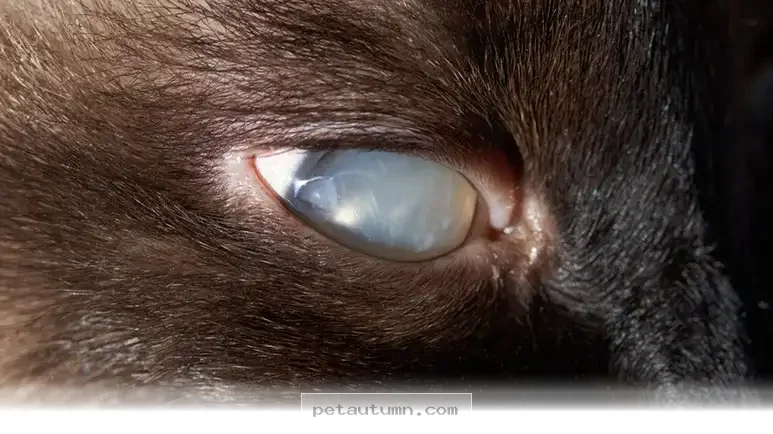
That hazy area in your pet’s eye could be nothing more than the natural softening of a lens that has lived a full life, or it could be the earliest sign of something that deserves your immediate attention. It is a moment that can stop any pet owner in their tracks, leaving you wondering if your companion is losing their vision or simply showing their age.
Understanding the difference between harmless changes and medical emergencies is one of the most valuable skills you can develop for your pet’s long-term wellness. While a cloudy eye does not always mean your pet is in pain or losing their sight, it is always a signal that you should take a closer look at their behavior and overall eye health.
Key Takeaways
- A cloudy eye may be harmless nuclear sclerosis, a vision-blocking cataract, or an urgent medical issue like glaucoma.
- Common behavioral red flags include bumping into furniture, hesitation on stairs, and appearing startled by movements from the side.
- Genetics are a primary driver in dogs, while chronic inflammation is often the culprit in cats.
- Early intervention is vital; if you notice a sudden change, scheduling a professional veterinary exam is the best way to protect your pet’s vision.
Normal Aging vs. Serious Conditions
It is a common misconception that all cloudiness in a pet’s eye indicates a cataract. In reality, many older pets develop a condition called nuclear sclerosis, which is a natural hardening of the lens that happens as they get older.
This condition typically gives the eyes a soft, bluish-gray haze rather than a bright white opacity. While it might look concerning, it usually does not significantly impact your pet’s ability to see, and it requires no medical treatment.
1. Identifying the Differences
To help you distinguish between routine aging and potential trouble, consider these common signs and characteristics. Keep in mind that only a veterinarian can provide a definitive diagnosis through a proper examination.
| Feature | Nuclear Sclerosis | Cataracts | Glaucoma (Emergency) |
|---|---|---|---|
| Appearance | Soft, bluish-gray haze | Dense, white, opaque | Red, cloudy, swollen |
| Vision Impact | Minimal effect | Varies (can lead to blindness) | Rapid vision loss |
| Urgency | None (normal aging) | Needs monitoring | Immediate veterinary care |
| Discomfort | Pain-free | Generally comfortable | Often painful |
If you notice your pet seems to be in pain, or if the eye appears red and inflamed, treat the situation as an urgent matter and contact your veterinarian immediately.
Behavioral Clues Your Pet is Struggling
Because pets are incredibly resilient and often adapt to gradual vision loss by relying on their sense of smell and hearing, they may not show obvious signs of sight issues at first. You might be the only one who notices the subtle shifts in their daily habits that indicate their vision is changing.
1. Watch for These Behavioral Changes
If you suspect your pet’s vision is failing, keep a close eye on their daily routines and interactions. If you notice any of these symptoms, it is time to schedule an eye exam with your veterinarian.
- Bumping into familiar furniture or door frames when moving through the house.
- Hesitating or refusing to navigate stairs they previously handled with ease.
- Missing jumps onto the couch or bed that they once cleared easily.
- Appearing startled when you approach them from the side or from behind.
- Showing increased anxiety or clinginess, especially in new or dimly lit environments.
- Difficulty finding treats or toys that are tossed on the floor.
Why Cataracts Develop
A cataract occurs when the proteins within the lens begin to clump together, turning a once-clear window into a cloudy or opaque obstruction. This process is often driven by oxidative stress and metabolic changes that accumulate over the course of your pet’s life.
1. Common Triggers for Cataracts
Understanding the underlying causes can help you manage your pet’s health more effectively alongside your veterinary team. While some factors are unavoidable, others can be managed with proper care and lifestyle adjustments.
- Genetics: Many breeds have a predisposition for hereditary cataracts that can appear at any age.
- Diabetes Mellitus: Elevated blood sugar levels frequently lead to rapid cataract development in dogs.
- Uveitis: Chronic inflammation inside the eye, often linked to viral or immune issues, is a major cause in cats.
- Nutritional Deficiencies: Proper nourishment during early development is essential for long-term eye health.
- UV Exposure: Consistent, long-term exposure to harsh sunlight can contribute to lens damage over time.
Breeds at Higher Risk
If you share your life with certain breeds, you should be particularly proactive about their ocular health. Being aware of your pet’s genetic predispositions allows you to catch issues while they are still in their earliest, most manageable stages.
- Boston Terriers: Known for a higher likelihood of hereditary cataract development.
- Cocker Spaniels: Frequently affected by both early and late-onset eye conditions.
- French Bulldogs: Require regular monitoring for various eye health issues.
- Labrador Retrievers: Often prone to developing cataracts as they reach their senior years.
- Miniature Poodles: Genetics play a significant role in their ocular health.
Supporting Your Pet’s Vision
While you cannot always prevent age-related changes, you can provide an environment that helps your pet feel confident and safe. Simple adjustments around the house can make a world of difference for a pet whose vision is not as sharp as it used to be.
1. Tips for a Vision-Friendly Home
- Consistency is Key: Avoid rearranging furniture, as your pet has likely memorized the layout of your home.
- Use Texture and Scent: Place rugs in specific areas to help your pet identify where they are by the feel of the floor.
- Safety First: Use baby gates to block off stairs if your pet is showing signs of instability.
- Lighting Matters: Keep rooms well-lit, especially at night, to help your pet navigate more effectively.
- Professional Monitoring: Maintain regular wellness exams so your veterinarian can track any changes over time.
The information on petautumn.com is for general informational purposes only and does not constitute veterinary advice. Pet health needs vary by breed, age, and individual condition. Always consult a licensed veterinarian before making decisions about your pet’s health, diet, or medical treatment. Pet Autumn is not affiliated with any veterinary organization, pet food manufacturer, or breeder.
When you notice that telltale cloudiness, your first reaction might be fear, but try to stay calm and observant. Many of these conditions are manageable, and your veterinarian is your best partner in ensuring your pet remains comfortable and happy.
By staying attentive to behavioral changes and keeping up with regular checkups, you are giving your pet the best possible support. Your proactive care ensures that those soulful eyes continue to reflect the love and bond you share for many years to come.

Cat care writer at petautumn.com. English Literature graduate (S.S) from Universitas Udayana. Covers cat breeds, behavior, nutrition, grooming, and health. Cat mom to Luna and Lina. Based in Austin, Texas.