Written by Kadek Darma
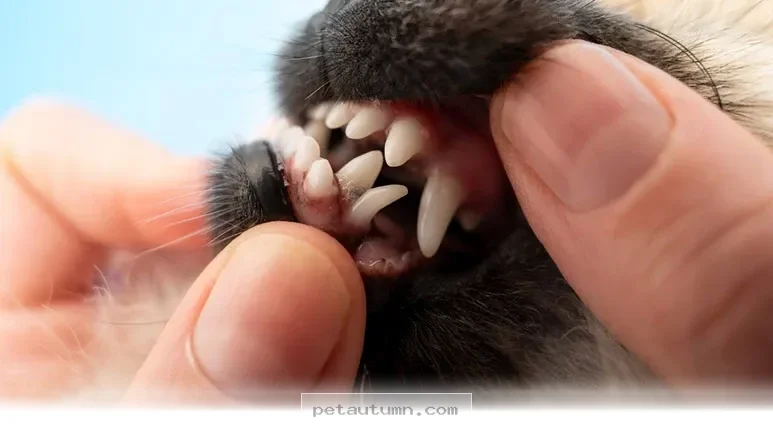
If you have ever peered into your puppy’s mouth and spotted a double row of teeth, you are likely looking at a case of retained baby teeth. This happens when a deciduous tooth refuses to vacate its spot, forcing the permanent adult tooth to erupt right beside it.
While it might seem like a quirky phase, leaving these teeth alone can lead to significant dental crowding and bite issues. Catching this early is the best way to ensure your pup maintains a healthy, comfortable smile as they grow into adulthood.
Key Takeaways
- Retained deciduous teeth occur when a baby tooth fails to fall out despite the permanent tooth erupting.
- Common warning signs include a double row of teeth, persistent bad breath, and changes in chewing habits.
- Small and brachycephalic dog breeds are statistically more prone to this condition due to their jaw structure.
- Veterinarians often recommend professional extraction to prevent future periodontal disease and painful misalignments.
Understanding the Teething Process
Puppies usually start their teething journey around 12 weeks of age, with the process typically wrapping up by the six-month mark. During this transition, you might find tiny, sharp teeth scattered around your home or see your pup chewing more frequently to soothe sore gums.
It is helpful to keep a close eye on your dog’s mouth during these months to ensure the adult teeth are coming in properly. If you notice a baby tooth remains firmly in place while the adult tooth is already visible, it is time to take notice.
Why Retained Teeth Are a Concern
When a baby tooth stays put, it creates a crowded environment where food particles and bacteria easily become trapped. This buildup is a recipe for plaque and tartar, which can eventually lead to painful gum inflammation or periodontal disease.
Furthermore, the physical crowding often results in a condition called malocclusion, where the teeth do not align correctly when the jaw closes. This misalignment can lead to abnormal tooth wear or even injuries to the soft tissues inside your dog’s mouth.
Symptoms of Dental Trouble
- A "double row" appearance where baby and adult teeth occupy the same space.
- Noticeable bad breath, which often signals trapped bacteria or early infection.
- Reluctance to chew on favorite toys or sudden disinterest in hard kibble.
- Swollen, red, or bleeding gums around the area of the retained tooth.
- Frequent dropping of food or chewing on only one side of the mouth.
Identifying Risk Factors
Genetics plays a massive role in whether your dog will experience retained teeth, though some breeds are more predisposed than others. Toy breeds and flat-faced dogs are at the highest risk because their smaller jaws provide less room for adult teeth to emerge correctly.
| Breed Type | Risk Level | Common Issues |
|---|---|---|
| Toy Breeds (Chihuahua, Yorkie) | High | Overcrowding due to small jaw size |
| Brachycephalic (Pug, Bulldog) | High | Misalignment and soft tissue trauma |
| Large Breeds (Labrador, Golden) | Low | Rare, but still requires monitoring |
| Mixed Breeds | Moderate | Varies based on parentage |
Steps for Managing Your Dog’s Dental Health
If you suspect your puppy has a retained tooth, you should follow these steps to protect their long-term oral health. Never attempt to pull a loose tooth at home, as this can lead to painful root fragments or severe infection.
- Perform Regular Inspections: Make it a habit to lift your puppy’s lip and look at their teeth once a week during the teething phase.
- Consult Your Veterinarian: If you see a baby tooth present after six months of age, schedule an appointment for a professional evaluation.
- Evaluate Through Radiographs: Your vet will likely use dental X-rays to see the root structure and determine if the tooth needs surgical removal.
- Schedule Professional Extraction: If the baby tooth is causing crowding, an extraction under anesthesia is usually the safest and most effective solution.
- Maintain Ongoing Care: Once the teeth are corrected, continue practicing good oral hygiene, such as daily brushing with pet-safe toothpaste, to prevent future decay.
How Vets Handle Extractions
When a veterinarian determines that a baby tooth must be removed, they perform the procedure under general anesthesia to ensure your pet is comfortable. They will take X-rays to assess the root and then carefully extract the entire tooth to prevent any broken fragments from remaining in the gum.
Early intervention is the key to a successful recovery. By removing the obstacle, the permanent tooth has the space it needs to shift into its proper position, which often corrects minor alignment issues before they become permanent.
The information on petautumn.com is for general informational purposes only and does not constitute veterinary advice. Pet health needs vary by breed, age, and individual condition. Always consult a licensed veterinarian before making decisions about your pet’s health, diet, or medical treatment. Pet Autumn is not affiliated with any veterinary organization, pet food manufacturer, or breeder.
Staying proactive about your puppy’s dental health is one of the most loving things you can do as an owner. While the sight of those "extra" teeth might be startling, remember that a quick trip to your veterinarian can save your dog from years of potential discomfort.
Keep monitoring your pup’s mouth as they grow, and do not hesitate to ask for a professional opinion if something does not look right. A healthy smile is essential for a happy, vibrant, and pain-free life for your four-legged best friend.

Cat care writer at petautumn.com. English Literature graduate (S.S) from Universitas Udayana. Covers cat breeds, behavior, nutrition, grooming, and health. Cat mom to Luna and Lina. Based in Austin, Texas.