Written by Kadek Darma
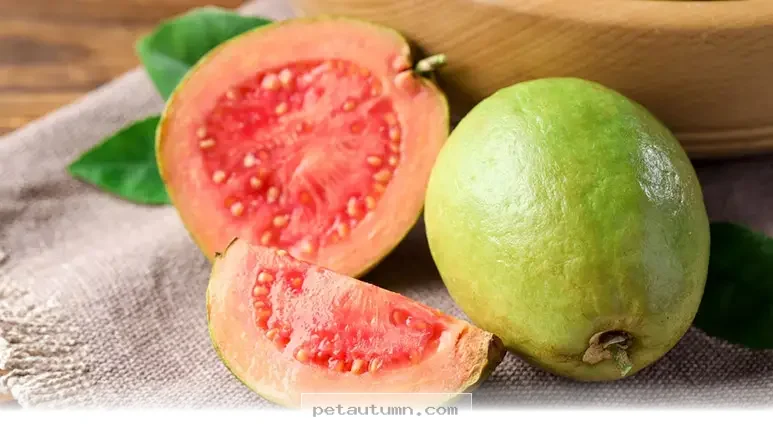
If you love the sweet, tropical aroma of a perfectly ripe guava, you might wonder if your canine companion can share in the bounty. These juicy fruits are more than just a tasty snack, as they pack a serious nutritional punch that could benefit your dog’s overall wellness.
Before you toss a slice into your dog’s bowl, it helps to understand what makes this fruit unique and how to serve it safely. Let’s look at why this "tropical apple" might be the perfect occasional treat for your pup.
Key Takeaways
- Guava is a nutrient-dense fruit rich in vitamin C, lycopene, and beta-carotene.
- It serves as a fantastic source of pectin, a natural soluble fiber that supports healthy digestion.
- Always remove the seeds and hard skin before serving to prevent choking or intestinal blockage.
- Treats should only make up a small portion of your dog’s total daily caloric intake.
- Fresh, raw guava is always better than processed or canned versions packed in sugary syrup.
Understanding the Nutritional Power of Guava
Guava belongs to the Myrtaceae family and is widely celebrated for its high concentration of bioactive compounds. Beyond its delicious taste, it contains significant levels of iron, calcium, and phosphorus, which are essential minerals for maintaining strong bones and healthy bodily functions.
The fruit is particularly famous for its incredible vitamin C content, which often exceeds that found in citrus fruits like oranges. While dogs can synthesize their own vitamin C, adding this antioxidant-rich fruit to their diet provides extra support against oxidative stress.
1. Essential Phytochemicals and Benefits
Guava is loaded with health-promoting substances that work behind the scenes to keep your pet feeling their best. One of the standout components is quercetin, a natural plant pigment known for its anti-inflammatory and antioxidant properties.
The following table highlights some of the primary health-boosting compounds found in guava:
| Compound | Key Benefit |
|---|---|
| Quercetin | Supports immune response and reduces inflammation. |
| Lycopene | Powerful antioxidant that protects against cellular damage. |
| Beta-Carotene | Supports eye health and vision maintenance. |
| Seeds/Hard Skin | **Warning:** Can pose a choking hazard or cause digestive obstruction. |
Incorporating these nutrients into your dog’s routine can be a great way to offer variety while supporting their natural immune defenses.
How to Safely Prepare Guava for Your Pet
Before you start slicing, remember that preparation is the most important step for your dog’s safety. Never feed the whole fruit to your dog, as the tough skin and hard seeds can be difficult for them to process and may lead to gastrointestinal distress.
1. Preparation Steps
- Wash thoroughly: Always scrub the exterior of the fruit to remove pesticides or debris.
- Peel the skin: Remove the outer layer entirely to ensure your dog doesn’t struggle with the tough texture.
- Remove the seeds: Scoop out the center portion where the seeds are concentrated.
- Dice into pieces: Cut the soft, pink or white flesh into small, bite-sized chunks suitable for your dog’s size.
- Moderation is key: Start with a very small amount to see how your dog’s tummy reacts.
You can mix these small chunks into your dog’s regular food or use them as a refreshing, low-calorie training reward.
2. When to Avoid Guava
While guava is generally safe, it is not for every dog. If your pet has a sensitive stomach, introduce any new food slowly to monitor for signs of upset, such as diarrhea or vomiting.
If you are looking for more information on safe snacks, you can browse resources from the American Kennel Club to see what other fruits are safe for your specific breed. Always avoid any guava products that contain added sugars, xylitol, or artificial preservatives.
The information on petautumn.com is for general informational purposes only and does not constitute veterinary advice. Pet health needs vary by breed, age, and individual condition. Always consult a licensed veterinarian before making decisions about your pet’s health, diet, or medical treatment. Pet Autumn is not affiliated with any veterinary organization, pet food manufacturer, or breeder.
Treating your dog to a taste of the tropics can be a fun bonding experience that provides a nice change of pace from their standard kibble. Just remember to keep the portions small and ensure the fruit is properly cleaned and de-seeded before it reaches your pup.
By keeping these simple safety tips in mind, you can feel confident about adding a little extra nutrition and flavor to your dog’s day. If you notice any unusual behavior after trying a new treat, it is always best to reach out to your veterinarian for guidance.

Cat care writer at petautumn.com. English Literature graduate (S.S) from Universitas Udayana. Covers cat breeds, behavior, nutrition, grooming, and health. Cat mom to Luna and Lina. Based in Austin, Texas.