Written by Ayu Pratiwi
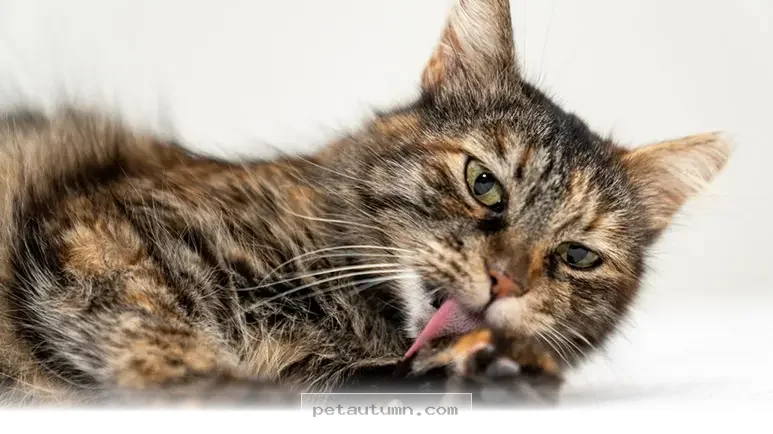
You might notice your cat spending a large portion of their day grooming, which is perfectly normal behavior for a feline. However, when that routine shifts into an obsessive habit that results in hair loss or skin damage, it is a clear red flag that something is wrong.
This behavior, known as psychogenic alopecia, often stems from deep-seated anxiety or physical discomfort. If you suspect your cat is struggling with this issue, understanding the root cause is the first step toward helping them feel comfortable and calm again.
Key Takeaways
- Psychogenic alopecia is a compulsive disorder where cats groom excessively due to stress or underlying medical issues.
- Common symptoms include bald patches, stubble-like hair, skin wounds, and constant biting or licking.
- Medical conditions, such as allergies or parasites, must be ruled out by a veterinarian before diagnosing a behavioral issue.
- Environmental enrichment and stress reduction are the primary pillars of treatment for feline anxiety-related grooming.
Understanding the Roots of Excessive Grooming
It is helpful to recognize that this behavior often begins as a simple displacement mechanism. When your cat encounters a change in their environment—like a new pet or a move—they may turn to grooming as a way to soothe their nervous system.
Licking releases endorphins, which provide a temporary sense of relief for an anxious cat. Over time, this coping mechanism can become a rigid habit that persists even after the initial stressor has been addressed.
1. Identifying the Warning Signs
You may not catch your cat in the act, especially if they only groom when they are alone. Keep an eye out for these physical indicators that suggest a grooming problem:
- Localized hair loss: Bald spots on the abdomen, flanks, or inner thighs.
- Stubble texture: Broken, short hair shafts that feel like a rough buzz cut.
- Skin lesions: Scabs, redness, or ulcerations caused by constant friction.
- Behavioral shifts: Increased hiding, loss of appetite, or sudden changes in litterbox habits.
2. Differentiating Medical from Behavioral Issues
Before assuming your cat is stressed, you must investigate potential physical triggers. Many medical conditions cause intense itching or pain, leading a cat to focus their grooming on a specific, uncomfortable area.
| Condition Type | Possible Causes | Potential Symptom |
|---|---|---|
| Dermatological | Fleas, mites, or environmental allergies | Widespread itching or hives |
| Internal Health | Hyperthyroidism or bladder inflammation | Focused licking on the belly |
| Environmental | Toxins, scented candles, or cleaning sprays | General skin irritation |
| Behavioral | Chronic stress or boredom | Symmetrical hair loss or stubble |
Note: Always consult your veterinarian to perform a physical exam and rule out infections or parasites.
3. Managing Environmental Stressors
If your veterinarian confirms that the behavior is behavioral, you need to look at your home through your cat’s eyes. Cats thrive on predictability and feel most secure when their environment is stable and stimulating.
- Create a safe space: Ensure your cat has high perches or quiet rooms where they can retreat if they feel overwhelmed.
- Establish a routine: Keep feeding times and play sessions consistent to provide a sense of security.
- Environmental enrichment: Use puzzle feeders and interactive toys to keep their minds engaged and reduce boredom.
- Scent control: Avoid harsh household cleaners or plug-in fragrances that might irritate your cat’s sensitive senses.
- Patience and observation: Monitor how your cat reacts to household changes and provide extra comfort during stressful periods.
The Importance of Professional Guidance
Distinguishing between a simple itch and a complex compulsive disorder can be difficult for any pet parent. If you notice your cat consistently targeting the same area, it is time to schedule a visit with your veterinarian.
They can help you determine if your cat is reacting to environmental allergens or if they are suffering from an underlying health issue. Identifying the source of the discomfort early prevents the cycle of licking from causing secondary skin infections.
The information on petautumn.com is for general informational purposes only and does not constitute veterinary advice. Pet health needs vary by breed, age, and individual condition. Always consult a licensed veterinarian before making decisions about your pet’s health, diet, or medical treatment. Pet Autumn is not affiliated with any veterinary organization, pet food manufacturer, or breeder.
Getting to the bottom of your cat’s behavior requires patience, observation, and a collaborative relationship with your vet. By addressing both the physical and emotional needs of your feline friend, you can help them return to a state of calm and comfort.
Remember that recovery from compulsive behaviors is rarely instantaneous. With consistent environmental support and professional medical guidance, you can provide the stability your cat needs to stop the cycle of over-grooming.
Cat care writer at petautumn.com. English Literature graduate (S.S) from Universitas Udayana. Covers cat breeds, behavior, nutrition, grooming, and health. Cat mom to Luna and Lina. Based in Austin, Texas.