Written by Kadek Darma
When you scan the back of your dog’s food bag, you likely recognize many of the ingredients. However, you might stumble upon barley and wonder if it serves a real purpose in your companion’s bowl.
It is common to see grains listed in commercial kibble, but many pet owners are starting to question whether these fillers are truly beneficial. Let’s take a look at what this ingredient is and how it impacts your dog’s health.
Key Takeaways
- Barley is a common grain filler used by manufacturers to reduce production costs by replacing expensive meat proteins with cheaper carbohydrates.
- While barley is not toxic to dogs, it is not biologically necessary because dogs thrive on protein and fat rather than grain-based starches.
- The presence of gluten in barley can act as an antinutrient, potentially interfering with how your pet’s body absorbs essential minerals and vitamins.
- If you choose to include barley, opt for organic varieties to avoid the risk of glyphosate contamination, a chemical often used on conventionally grown crops.
- Always prioritize a diet where starchy carbohydrates make up less than 20% of your dog’s total daily intake to reduce metabolic stress.
What Is Barley and Why Is It Used?
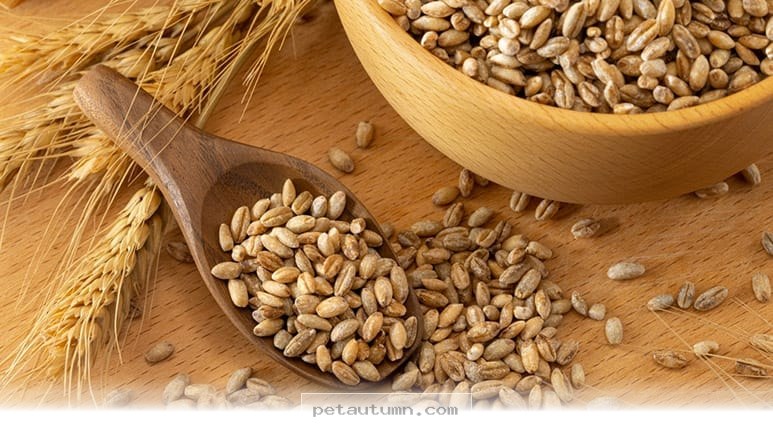
Barley is a staple grain in the grass family that has been used in human diets for centuries. In the world of pet manufacturing, it often serves as a cost-effective source of carbohydrates that helps the kibble hold its shape during processing.
Manufacturers rely on these fillers to keep prices competitive for the average consumer. By including grains, companies can use less animal protein, which is significantly more expensive to source than grain crops.
Understanding the Nutritional Value for Dogs
It is helpful to remember that dogs are physiologically adapted to process animal proteins and fats. While your dog can digest small amounts of barley, they do not possess a biological requirement for these specific carbohydrates.
Potential Concerns With Grains
- Metabolic Stress: High-carb diets can cause blood sugar spikes that are taxing on a dog’s system.
- Antinutrients: Barley contains gluten, which may hinder the absorption of critical nutrients during digestion.
- Lack of Essential Nutrients: Unlike high-quality muscle meats, barley does not provide the taurine or essential amino acids your dog needs to thrive.
If you are curious about how these ingredients compare to other common fillers, the table below breaks down the differences in digestibility and nutritional impact for your dog.
| Ingredient | Primary Role | Health Impact |
|---|---|---|
| Sweet Potato | Fiber/Energy | Low glycemic, nutrient-dense |
| Barley | Bulk/Filler | Contains gluten, moderate glycemic |
| Corn/Wheat | Cheap Filler | High allergy risk, low nutritional value |
Transitioning your dog to a diet with fewer fillers can often lead to noticeable changes in their vitality.
Steps to Optimize Your Dog’s Diet
If you feel your current dog food contains too many unnecessary grains, you can take proactive steps to improve their nutrition. You do not need to overhaul their entire life overnight, but small adjustments make a big difference.
- Read the Label Carefully: Check if grains are listed in the first three ingredients, as this indicates a high volume of starch.
- Prioritize Protein: Look for foods where fresh, whole meat is the primary ingredient rather than grain meals or by-products.
- Seek Organic Sources: If you do feed grains, ensure they are organic to avoid glyphosate residue often found in non-organic farming.
- Monitor Digestion: Keep an eye on your dog’s energy levels and stool quality whenever you make a change to their daily meals.
- Consult Your Vet: Before making a major switch, speak with your veterinarian to ensure the new food meets your dog’s specific health profile.
The Role of Fiber in Your Dog’s System
While we often focus on protein, fiber plays a secondary role in digestive health. Barley does contain beta-glucans, which are types of soluble fiber that can support gut bacteria and help regulate bowel movements.
However, you can obtain these benefits from higher-quality sources like pumpkin, green beans, or carrots. These vegetables provide the necessary roughage for your dog without the inflammatory risks sometimes associated with gluten-containing grains.
The information on petautumn.com is for general informational purposes only and does not constitute veterinary advice. Pet health needs vary by breed, age, and individual condition. Always consult a licensed veterinarian before making decisions about your pet’s health, diet, or medical treatment. Pet Autumn is not affiliated with any veterinary organization, pet food manufacturer, or breeder.
Choosing the right fuel for your dog is one of the most important decisions you make as a pet parent. By keeping a close eye on labels and prioritizing real, whole foods, you are setting your dog up for a healthier and more energetic life.
Remember that every dog is an individual with unique sensitivities. Pay attention to how your furry friend reacts to their current diet, and never hesitate to reach out to a professional if you suspect their food is not serving them well.

Cat care writer at petautumn.com. English Literature graduate (S.S) from Universitas Udayana. Covers cat breeds, behavior, nutrition, grooming, and health. Cat mom to Luna and Lina. Based in Austin, Texas.