Written by Kadek Darma
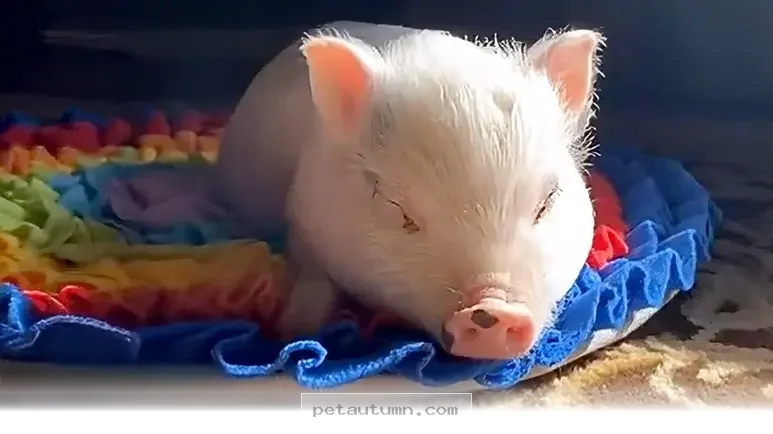
Bringing home a new animal companion is always an exciting adventure, but sometimes that addition comes with a few unexpected twists. When a tiny pig named Penny first arrived, she was small enough to fit in the palm of a hand, but her personality quickly filled the entire house.
Watching a pet grow from a pint-sized arrival into a quirky member of the family is a journey filled with humor and heart. Penny quickly decided that she was not just any farm animal, but a beloved indoor companion with very specific standards for relaxation.
- Miniature pigs require specialized care and significant social interaction to thrive in a home environment.
- Building a strong bond often involves learning your pet’s unique preferences for affection.
- Creative enrichment, such as using gentle tools for scratching, can help satisfy a pig’s natural instincts.
- Always research local zoning laws and veterinary availability before bringing a non-traditional pet home.
Understanding the Needs of Miniature Pigs
If you have ever considered bringing a pig into your living space, you might be surprised by how much personality they pack into their frames. Much like dogs, these intelligent creatures are capable of learning tricks and forming deep, lasting bonds with their human guardians.
Providing a suitable environment for a pig is quite different from caring for a canine or feline. You must prioritize their need for mental stimulation and ensure they have a safe space to explore.
1. Essential Care Considerations
- Social Interaction: Pigs are highly social and can become lonely or destructive without plenty of companionship.
- Rooting Behavior: They have a natural instinct to root with their snouts, which requires designated safe areas to prevent damage to your floors.
- Dietary Needs: Consult with a professional at the American Veterinary Medical Association to establish a nutritionally balanced diet.
- Training: You can teach them basic commands using positive reinforcement, as they are often very food-motivated learners.
Pigs are incredibly smart, which means they need consistent guidance to understand the rules of your home. They thrive when they have a routine that includes playtime, mealtime, and plenty of opportunities to express their natural behaviors.
The Art of the Belly Rub
Penny’s story gained popularity because of her unique reaction to belly rubs. While many animals enjoy a simple pat, Penny demanded a more thorough approach that eventually led her family to use unconventional tools.
It turns out that pigs have tough skin and a thick coat, so they often appreciate firm, consistent pressure during grooming sessions. Finding the right way to scratch those hard-to-reach spots can transform your relationship with your pet.
Pros and Cons of Keeping Pigs as Companions
| Feature | Pros | Caution |
|---|---|---|
| Intelligence | Highly trainable and smart | Can learn how to open cabinets |
| Socialization | Forms deep, loyal bonds | Can suffer from separation anxiety |
| Grooming | Short hair is easy to maintain | Requires specialized hoof care |
| Environment | Adapts to indoor living | Needs space to root and roam |
Table: Comparing the realities of pig ownership.
If you notice your pet nudging you toward a brush or a specific object, pay attention to their body language. They are likely trying to tell you exactly where they want that scratch to happen.
Safety and Long-term Commitment
Before you decide to open your heart to a pig, it is vital to understand the longevity of this commitment. Some miniature breeds can live for fifteen years or more, making them a significant part of your future.
You should also look for a veterinarian who specializes in "exotic" or farm animals in your area. Regular checkups are just as important for a pig as they are for a dog, as PetMD suggests that preventative care is the best way to ensure a long and healthy life.
Supplies for Your New Companion
- Sturdy, non-tip food and water bowls.
- A soft bed or blankets for resting.
- Safe, natural toys for rooting and enrichment.
- A harness for supervised outdoor walks.
- Grooming tools like soft-bristled brushes or specialized rakes.
Always remember that these animals require a dedicated space where they feel secure. Providing a cozy corner or a designated pen can give them the comfort they need after a long day of playing and exploring.
The information on petautumn.com is for general informational purposes only and does not constitute veterinary advice. Pet health needs vary by breed, age, and individual condition. Always consult a licensed veterinarian before making decisions about your pet’s health, diet, or medical treatment. Pet Autumn is not affiliated with any veterinary organization, pet food manufacturer, or breeder.
Welcoming a pig into your home is certainly not the path for everyone, but for those who do, it can be a rewarding experience. The bond you form with a creature as expressive and intelligent as a pig is truly special.
Take your time to prepare your home and your heart for the specific requirements of these animals. With patience and consistent love, you will find that a little extra effort leads to a lifetime of joy with your unique companion.

Dog care writer at petautumn.com. Visual Communication Design graduate (S.Ds) from Universitas Udayana. Covers dog breeds, behavior, training, and gear reviews. Dog dad to Meepo. Based in Austin, Texas.