Written by Ayu Pratiwi
Cats have a legendary reputation for knowing exactly what they want, whether it is their preferred meal, a specific sunbeam, or their favorite human. That selectiveness often extends to the natural world as well.
In the wild, many animals instinctively seek out plants and substances that may support their well-being. By offering your indoor cat a selection of safe, dried herbs, you provide them with a chance to exercise that natural instinct through a process called self-selection.
Key Takeaways
- Self-selection allows your cat to choose how to interact with herbs through sniffing, rolling, or nibbling.
- A feline herb garden requires no soil; simply lay out small piles of dried herbs on a clean blanket.
- Not every cat reacts to the same plants, so offering a variety provides the best enrichment.
- Always use high-quality, organic dried herbs from trusted sources and avoid essential oils or concentrated extracts.
The Logic of Feline Self-Selection
Research suggests that when cats rub against certain plants, they transfer compounds onto their coats that might help repel insects. This voluntary interaction is a form of enrichment that lets your cat take control of their environment, which is typically curated entirely by you.
Instead of choosing their supplements or bedding, you are inviting them to participate in their own wellness journey. It is a simple, low-stress way to introduce variety into their daily routine while observing their unique preferences.
1. Preparing Your Cat’s Herb Garden
Creating a garden for your cat is surprisingly easy because you do not need a green thumb. Find a quiet, comfortable space in your home where your cat feels safe and undisturbed by loud noises or other pets.
Lay down a clean towel or a small blanket on the floor to act as the base for your display. Place about a tablespoon of each dried herb in its own distinct pile, leaving enough space between them so the scents do not immediately blend together.
2. Observing Your Cat’s Choices
Once your herb display is ready, let your cat approach the area entirely on their own terms. Avoid the temptation to pick your cat up or force them to sniff a specific pile, as this takes away their agency.
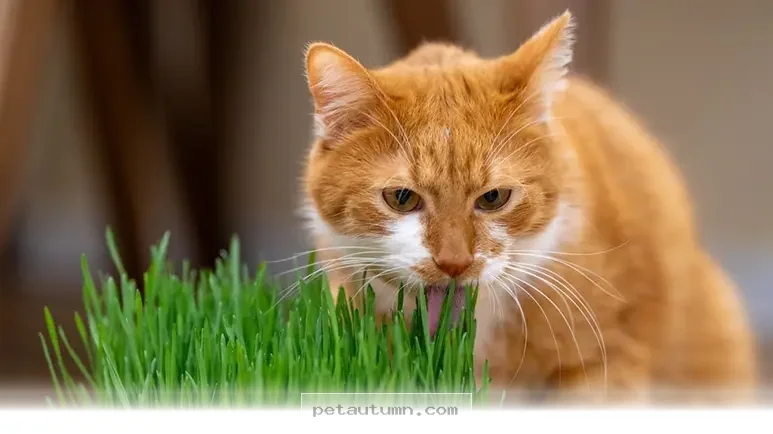
Simply sit back and watch how they interact with each pile. You might notice your cat rolling in one herb, sniffing another, or simply walking away from a third, which just means they are not interested in that scent today.
3. Safety and Sourcing Tips
When selecting herbs for your cat, quality and purity are the most important factors to consider. Always purchase plain, food-grade, or culinary-grade dried herbs from reputable sources to ensure they are free from pesticides and harmful additives.
Never use essential oils or concentrated herbal extracts, as these are far too potent for a cat’s sensitive system. If your cat has an existing health condition or is on medication, check with your veterinarian before introducing any new plants into their environment.
| Herb Type | Typical Feline Reaction | Usage Note |
|---|---|---|
| Catnip | Playful, rolling, kicking | Great for enrichment |
| Valerian Root | Calming or stimulating | Use in moderation |
| Chamomile | Quiet, resting, relaxing | Ideal for bedtime |
| Rose Buds | Gentle, soothing | Best for sensitive cats |
| Lemon Balm | Mildly calming | Use sparingly |
4. Refreshing the Experience
The aroma of dried herbs will naturally fade over time, especially if your cat is interacting with them frequently. When you notice your cat is no longer showing interest, simply shake out the blanket or refresh the piles with new herbs.
If you share your home with multiple cats, consider setting up separate garden stations in different rooms. This allows each cat to explore at their own pace without feeling the need to compete for the same space or herb.
The information on petautumn.com is for general informational purposes only and does not constitute veterinary advice. Pet health needs vary by breed, age, and individual condition. Always consult a licensed veterinarian before making decisions about your pet’s health, diet, or medical treatment. Pet Autumn is not affiliated with any veterinary organization, pet food manufacturer, or breeder.
Watching your cat discover which herbs appeal to their senses can be a rewarding experience for any owner. It strengthens the bond between you and your companion while providing a safe, natural outlet for their curious behavior.
Start with just two or three herbs to see how your cat responds before expanding their garden. With a little patience and a few simple supplies, you can turn a quiet afternoon into an engaging sensory adventure for your favorite feline.

Dog care writer at petautumn.com. Visual Communication Design graduate (S.Ds) from Universitas Udayana. Covers dog breeds, behavior, training, and gear reviews. Dog dad to Meepo. Based in Austin, Texas.