Written by Kadek Darma
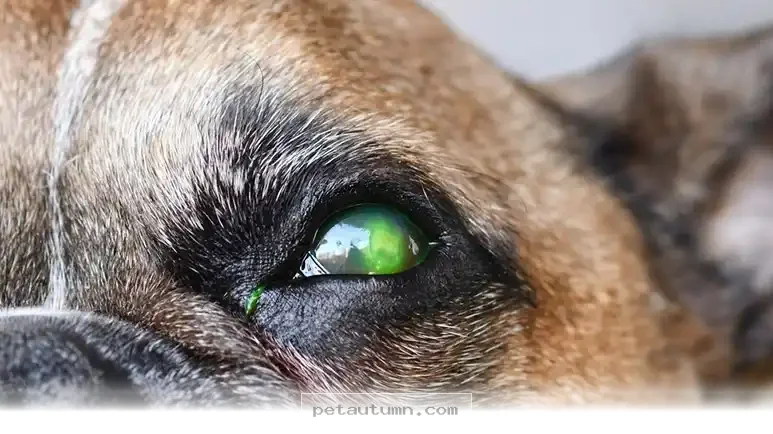
The cornea acts as the crystal-clear window of your dog’s eye, shielding delicate internal structures from the outside world. When this protective barrier suffers a scratch or abrasion, the results can be incredibly painful for your canine companion.
Because the cornea contains a high concentration of sensitive nerve endings, even a tiny injury can cause significant distress. Recognizing the signs early is the best way to prevent long-term damage or potential vision loss for your pet.
Key Takeaways
- Corneal ulcers are common injuries often caused by trauma, foreign objects, or anatomical issues like inward-rolling eyelids.
- Symptoms typically include squinting, excessive tearing, pawing at the eye, and a visible cloudy or red appearance.
- Severity ranges from superficial surface scratches to deep, dangerous ulcers that risk perforating the eye.
- Always consult your veterinarian for a professional diagnosis using specialized staining techniques to map the depth of the injury.
- Recovery often requires protective measures like an E-collar to prevent your dog from worsening the wound.
Understanding Corneal Ulceration
Your dog’s cornea is a complex, four-layered shield designed to admit light while blocking bacteria and debris. If any of these layers become damaged, we refer to the condition as a corneal ulcer or ulcerative keratitis.
These injuries can occur unexpectedly during a romp in the backyard or develop slowly due to underlying health issues. Identifying the cause is the first step toward effective management and healing.
1. Common Causes of Eye Trauma
- Physical trauma from thorns, branches, or accidental scratches during play.
- Foreign bodies like dust, seeds, or debris trapped under the eyelid.
- Anatomical concerns such as entropion, where the eyelids fold inward and rub against the eye.
- Chronic dry eye syndrome that leaves the surface of the cornea vulnerable.
- Infections caused by viral, bacterial, or fungal agents.
- Facial nerve paralysis that prevents the dog from blinking properly.
2. Recognizing the Symptoms
You know your dog better than anyone, so watch for subtle shifts in their behavior or facial expressions. If your pet seems uncomfortable, observe their eyes closely for these common indicators:
- Excessive squinting or keeping the eye firmly shut.
- Increased tearing or watery discharge.
- Visible pawing or rubbing at the face.
- A cloudy or hazy film over the surface of the eye.
- Redness and visible inflammation of the white part of the eye.
- Increased sensitivity to bright light or sunlight.
Diagnostic and Treatment Approaches
When you visit your veterinarian, they will likely use a specialized fluorescent dye to visualize the injury. This stain adheres to damaged areas, allowing the doctor to see the exact size and depth of the ulcer.
| Severity Level | Risk Profile | Recommended Action |
|---|---|---|
| Superficial | Low risk of scarring | Topical care and monitoring |
| Mid-Stroma | Moderate risk | Frequent follow-ups required |
| Descemetocele | High risk of perforation | Immediate specialist intervention |
| Deep Ulcer | Severe damage | Possible surgical stabilization |
3. Tips for Managing Recovery
- Use an Elizabethan collar (E-collar) consistently to stop your dog from rubbing the eye.
- Follow your veterinarian’s medication schedule precisely, as missed doses can stall the healing process.
- Keep your home environment calm to reduce your dog’s stress levels during the recovery period.
- Minimize outdoor time to protect the eye from wind, dust, and direct sunlight.
- Schedule regular recheck exams to ensure the ulcer is closing at the expected rate.
For further information on eye health, you may review resources provided by the American College of Veterinary Ophthalmologists. You can also find general pet health guidelines through the American Veterinary Medical Association.
The information on petautumn.com is for general informational purposes only and does not constitute veterinary advice. Pet health needs vary by breed, age, and individual condition. Always consult a licensed veterinarian before making decisions about your pet’s health, diet, or medical treatment. Pet Autumn is not affiliated with any veterinary organization, pet food manufacturer, or breeder.
Watching your dog struggle with an eye injury is difficult, but most superficial ulcers respond well to consistent care. By staying vigilant and following your veterinarian’s guidance, you give your furry friend the best chance at a full and comfortable recovery.
Patience is essential, as some deep ulcers may require weeks of dedicated treatment to heal properly. Keep your focus on your pet’s comfort and stick to the plan until your vet confirms the eye has returned to its healthy, clear state.

Dog care writer at petautumn.com. Visual Communication Design graduate (S.Ds) from Universitas Udayana. Covers dog breeds, behavior, training, and gear reviews. Dog dad to Meepo. Based in Austin, Texas.