Written by Kadek Darma
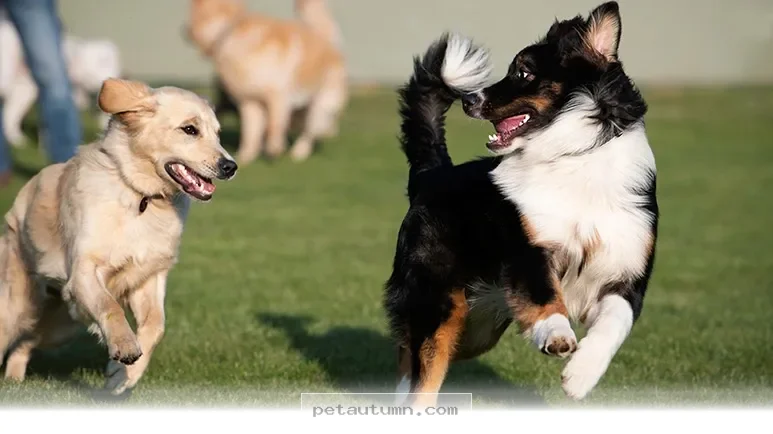
Taking your dog to a park, daycare, or group play setting can feel like giving them the best day ever. They get to run, play, and meet other canine companions while you watch them soak up the sunshine.
It sounds like a perfect afternoon, and often, it is. However, there is a side to these group settings that many pet owners overlook until a problem actually arises.
From health risks to behavioral stress, a fun outing can quickly turn into a difficult situation if you are not prepared. With a bit of knowledge and a few simple habits, you can keep your dog safe and happy while enjoying their social time.
Key Takeaways
- Assess your dog’s unique temperament and health status before introducing them to new groups or high-traffic parks.
- Prioritize hygiene by bringing your own water and cleaning up waste to prevent the spread of common parasites.
- Remain fully attentive and off your phone to intervene the moment your dog displays signs of discomfort or stress.
- Respect your dog’s social limits; forcing interaction in a crowded environment often increases anxiety rather than curing it.
1. Assessing Your Dog’s Social Readiness
Before you head out, ask yourself a simple question: Is your dog truly comfortable around unfamiliar dogs and people? Not every canine thrives in a group environment, and that is perfectly okay.
Some dogs may bark, lunge, or hide when faced with a crowd. These reactions are your dog’s way of telling you they feel overwhelmed, and ignoring these signals can deepen their anxiety over time.
How to Evaluate Your Pet
- Observe their play style: Do they enjoy rough-and-tumble play, or do they prefer sniffing the perimeter of the park?
- Monitor their triggers: Does your dog get defensive over toys or food? If so, group settings are likely not the best place for them.
- Check their confidence: Does your dog look to you for guidance when things get chaotic? A dog that ignores you in favor of the pack may be overstimulated.
2. Comparing Group Environment Risks
Choosing the right environment for your dog requires understanding the trade-offs between different social settings. While a private playdate with a known, vaccinated friend is often the safest route, public spaces offer different pros and cons.
| Setting | Benefit | Potential Risk | Safety Level |
|---|---|---|---|
| Private Playdate | Controlled environment | Limited social variety | High |
| Dog Park | High exercise potential | Unknown health/behavior | Caution |
| Daycare | Consistent supervision | Exposure to pathogens | Moderate |
| Hiking Trail | Natural enrichment | Wildlife/parasite risk | Moderate |
3. Protecting Your Dog’s Health
Your dog’s health matters just as much as their temperament. Before entering any group environment, understand that your pet could be exposed to contagious diseases like parvovirus or kennel cough.
This is especially vital for puppies under six months of age, whose immune systems are still developing. It is best to avoid public parks entirely until your veterinarian confirms they are fully protected.
Signs That Suggest Staying Home
- Persistent coughing, sneezing, or runny eyes.
- Recent episodes of vomiting or diarrhea.
- Open wounds, stitches, or recent surgical recovery.
- Lethargy or a general lack of energy.
4. Managing Hygiene and Safety
Many risks in group settings come down to simple, consistent habits. Always pick up your dog’s waste immediately, as fecal matter is a primary route for parasites and pathogens to spread between animals.
Avoid shared water bowls or communal puddles, as these are hotbeds for bacteria. Always bring your own collapsible bowl and fresh water to ensure your dog stays hydrated without the risk of contamination.
Essential Supplies for Your Outing
- Collapsible water bowl: Keeps your dog hydrated without sharing germs.
- Waste bags: Essential for keeping the environment clean and parasite-free.
- Sturdy leash: Use this for transitions or to remove your dog quickly if play gets too rough.
- Training treats: Keep your dog’s focus on you rather than on potential stressors.
5. Reading Body Language
Your role is to be your dog’s advocate. Most park incidents happen within seconds, and they are almost always preventable if you are paying attention.
Put your phone away and keep your eyes on your dog at all times. Look for subtle cues that your dog is no longer having a good time, such as tucked tails, whale eye, or stiffening of the body.
Early Warning Signs of Stress
- Flattened ears: Often indicates fear or extreme submission.
- Tucked tail: A clear sign that your dog is feeling insecure.
- Stiff posture: Can precede aggressive outbursts or reactive behavior.
- Constant lip licking: A common sign of anxiety in social settings.
If you see these signs, calmly leash your dog and leave the area. A single positive, calm outing is worth much more than a dozen stressful ones that leave your dog feeling anxious or afraid.
The information on petautumn.com is for general informational purposes only and does not constitute veterinary advice. Pet health needs vary by breed, age, and individual condition. Always consult a licensed veterinarian before making decisions about your pet’s health, diet, or medical treatment. Pet Autumn is not affiliated with any veterinary organization, pet food manufacturer, or breeder.
Always remember that you are the most important person in your dog’s world. If you feel uneasy about the energy of a particular group, trust your gut and walk away.
Your dog relies on you

Cat care writer at petautumn.com. English Literature graduate (S.S) from Universitas Udayana. Covers cat breeds, behavior, nutrition, grooming, and health. Cat mom to Luna and Lina. Based in Austin, Texas.