Written by Kadek Darma
If you have been feeding your dog or cat the same chicken or beef recipes for years, you might notice them losing interest in their dinner bowl. Introducing a fresh, high-quality protein source is often the perfect way to revitalize your pet’s appetite while providing essential nutrients they might be missing.
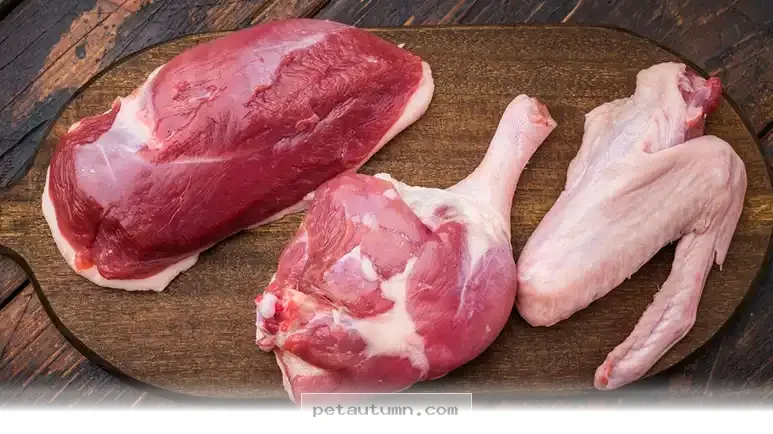
Duck is a fantastic, flavorful alternative that many pets find irresistible. Beyond the taste, this protein offers a profile of bioactive compounds that can support your companion’s overall well-being.
Key Takeaways
- Duck serves as an excellent novel protein for pets undergoing dietary elimination trials to manage potential food sensitivities.
- This meat is packed with vital amino acids like L-carnitine and carnosine, which support energy metabolism and muscle health.
- You can incorporate duck eggs into your pet’s diet as a nutrient-dense snack rich in healthy fats and minerals.
- Duck provides a significant boost of B vitamins and selenium, supporting everything from thyroid function to immune health.
Why Duck Makes a Great Protein Swap
When we think of pet food, we often default to the standard options found on every store shelf. However, variety is a great way to ensure your pet receives a diverse array of amino acids and minerals.
Duck is a darker, richer meat with a savory profile that many dogs and cats find much more exciting than standard poultry. Because it is less common in commercial pet foods, it acts as a perfect "novel protein" for pets that have developed sensitivities to more traditional ingredients.
1. Identifying Protein Sensitivities
If your pet is showing signs of skin irritation or digestive upset, they may be reacting to common proteins like beef or chicken. Using a single-source protein like duck can help you determine if a specific ingredient is the root cause of their discomfort.
| Nutrient Comparison | Duck Meat | Chicken Breast |
|---|---|---|
| Protein (per oz) | ~6.6g | ~8.7g |
| Fat Content | Moderate | Low |
| Flavor Profile | Rich/Gamey | Mild |
| Suitability | Excellent for rotation | Standard |
Note: Always consult with your veterinarian before starting an elimination diet to ensure you are meeting all of your pet’s nutritional needs.
2. The Power of Bioactive Compounds
Duck meat is more than just a source of calories; it is loaded with compounds that help your pet thrive. It contains omega-3 fatty acids, which are well-known for their anti-inflammatory properties, alongside essential amino acids like creatine and betaine.
L-carnitine is particularly notable, as it acts as an antioxidant and helps your pet maintain lean muscle mass. By supporting energy metabolism, these compounds help ensure your dog stays active and your cat remains agile throughout their daily routines.
3. Essential Vitamins and Minerals
A balanced diet requires more than just macronutrients, and duck delivers a impressive range of micronutrients. One ounce of duck meat provides a solid boost of riboflavin, niacin, and selenium.
These nutrients work behind the scenes to keep your pet in peak condition. Riboflavin is essential for energy production, while selenium plays a key role in thyroid health and DNA synthesis.
4. Don’t Overlook the Benefits of Duck Eggs
If you are already sourcing high-quality duck products, consider adding duck eggs to the menu. They are a powerhouse of nutrition, offering a perfect blend of protein, calcium, and magnesium.
- Support for healthy skin: The healthy fats in duck eggs can contribute to a shiny, soft coat.
- Nutrient density: They provide a concentrated source of essential minerals in a small package.
- Easy treat: A lightly cooked or raw egg can be a wonderful, occasional topper for your pet’s regular meal.
How to Introduce New Proteins
When you decide to switch things up, it is best to do so gradually to avoid digestive upset. Start by mixing a small amount of the new protein into their current food over the course of a week.
- Begin with a 25% new, 75% old ratio for the first three days.
- Move to a 50/50 split for the next three days if your pet tolerates it well.
- Gradually increase the portion of the new protein until the transition is complete.
- Monitor your pet for any changes in energy levels or stool consistency.
The information on petautumn.com is for general informational purposes only and does not constitute veterinary advice. Pet health needs vary by breed, age, and individual condition. Always consult a licensed veterinarian before making decisions about your pet’s health, diet, or medical treatment. Pet Autumn is not affiliated with any veterinary organization, pet food manufacturer, or breeder.
Transitioning to a new protein like duck can be an exciting journey for both you and your pet. It offers a chance to explore new flavors while potentially solving some of the common health challenges that come with standard, repetitive diets.
Remember that every pet is unique, so pay close attention to how they respond to the change. With a little patience and care, you can help your furry friend enjoy a more diverse and nutritious menu that keeps them happy for years to come.

Dog care writer at petautumn.com. Visual Communication Design graduate (S.Ds) from Universitas Udayana. Covers dog breeds, behavior, training, and gear reviews. Dog dad to Meepo. Based in Austin, Texas.