Written by Kadek Darma
That bright, golden-yellow spice sitting in your kitchen cabinet might be more than just a secret ingredient for your favorite curry. Many pet parents are now discovering that turmeric, a root from the ginger family, could hold the key to helping their aging dogs stay comfortable and mobile.
If you have noticed your pup moving a little slower during morning walks or struggling to hop onto the sofa, you are likely looking for gentle ways to support their joints. While it is not a cure-all, this ancient spice is gaining a massive following for its potential to help dogs age with more grace and vitality.
Key Takeaways
- Active Compound: The benefits of turmeric primarily come from curcumin, a powerful natural compound known for its antioxidant properties.
- Joint Support: Many pet owners use turmeric to help ease stiffness and improve mobility in senior dogs.
- Absorption Matters: Curcumin is hard for the body to absorb on its own, so it must be paired with healthy fats or black pepper.
- Start Small: Always introduce new dietary additions slowly to ensure your dog’s stomach handles the change well.
- Consult First: Never start a new supplement regimen without first clearing it with your veterinarian.
Why Everyone Is Talking About Turmeric
Turmeric has been a staple in traditional wellness practices for centuries, but modern science is finally catching up to what many cultures have known for a long time. The magic lies in curcumin, the bioactive compound that gives the spice its signature color and its reputation for soothing the body.
When you see turmeric listed on a commercial dog food label, it is often included just to add a natural golden hue or a bit of extra flavor. Because those tiny amounts are usually not enough to provide therapeutic support, many owners are looking for ways to supplement their dog’s diet more effectively.
Potential Benefits for Your Aging Dog
Transitioning into the senior years can be tough on a dog’s joints, but many pet parents find that adding this spice helps keep their furry friend feeling like a puppy again. Research into curcumin suggests it may offer several protective benefits for dogs as they get older.
1. Managing Inflammation
Daily wear and tear often lead to chronic inflammation, which is the primary culprit behind joint discomfort and stiffness. Curcumin works by targeting specific pathways in the body to help maintain a healthy inflammatory response after a long day of playing or walking.
2. Boosting Joint Mobility
Stiffness is one of the most common complaints among senior dog owners, and it can significantly impact a pet’s quality of life. Many studies suggest that consistent use of curcumin can help support joint comfort, allowing your dog to stay active and engaged with the family.
3. Fighting Oxidative Stress
Your dog’s cells deal with oxidative stress every day, which is essentially the internal "rusting" process that happens with age. Curcumin acts as a potent antioxidant, helping to neutralize free radicals and protect your dog’s cells from premature damage.
4. Supporting Gut Health
Digestion is another area where this golden spice might shine, as it helps stimulate bile production to assist with fat breakdown. A healthy gut is the foundation of a strong immune system, making it a great addition for overall wellness.
| Consideration | Why It Matters |
|---|---|
| Bioavailability | Curcumin needs healthy fats to be absorbed properly by the body. |
| Staining | Turmeric is a powerful dye that can stain carpets, clothes, and even light-colored fur. |
| Medical Interaction | Turmeric may interact with certain blood-thinning medications or surgery prep. |
| Quality | Always source high-quality, organic powder to avoid heavy metal contamination. |
Understanding the importance of absorption is the next step in safely adding this spice to your dog’s daily routine.
How to Properly Serve Turmeric
Because curcumin is notoriously difficult for the body to absorb, you cannot simply sprinkle raw powder on top of your dog’s dry kibble and expect results. You need to combine it with specific ingredients to "unlock" its potential.
1. The "Golden Paste" Method
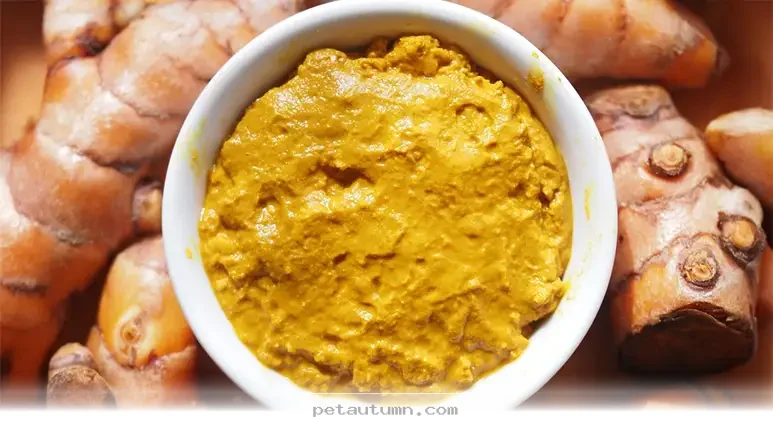
Most pet owners create a "golden paste" by mixing turmeric powder with water, a healthy fat like coconut oil, and a tiny pinch of freshly ground black pepper. The fat helps the body pull the curcumin into the bloodstream, while the piperine in black pepper significantly increases absorption rates.
2. Start with a Low Dose
You should always start with a very small amount to see how your dog’s digestive system reacts. A common starting point is often just a pinch, slowly working up to a fraction of a teaspoon depending on your dog’s body weight and size.
3. Watch for Signs of Sensitivity
While most dogs tolerate turmeric well, every pet is unique and some may experience mild tummy upset. If you notice any of the following symptoms, stop the addition immediately and consult your local vet:
- Vomiting or diarrhea
- Loss of appetite
- Excessive gas
- Changes in stool color
4. Supply List for Success
- Organic turmeric powder (high curcumin content)
- High-quality coconut oil or MCT oil
- Freshly ground black pepper (only a tiny amount is needed)
- Glass storage container for your golden paste
- Small measuring spoons for precise dosing
Before you start preparing your first batch of golden paste, it is helpful to understand the limitations of home supplementation.
The information on petautumn.com is for general informational purposes only and does not constitute veterinary advice. Pet health needs vary by breed, age, and individual condition. Always consult a licensed veterinarian before making decisions about your pet’s health, diet, or medical treatment. Pet Autumn is not affiliated with any veterinary organization, pet food manufacturer, or breeder.
Always remember that adding natural supplements is a long-term strategy rather than a quick fix for mobility issues. It can take several weeks of consistent use before you notice a real change in how your dog walks, plays, or rests.
If you are interested in learning more about how nutrition affects your aging companion, you can check out resources from the American Kennel Club for more tips on canine wellness. Taking these small steps today can help ensure your dog stays comfortable and happy for many years to come.

Cat care writer at petautumn.com. English Literature graduate (S.S) from Universitas Udayana. Covers cat breeds, behavior, nutrition, grooming, and health. Cat mom to Luna and Lina. Based in Austin, Texas.