Written by Kadek Darma
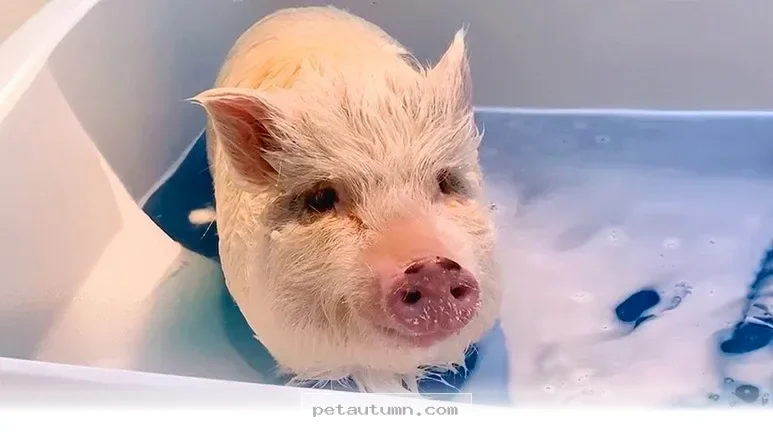
Lou is not your average house pet. She is a 150-pound pig who has completely taken over her family’s home, ruling the roost with a personality as large as her appetite.
She bosses the dogs around, demands breakfast with ear-splitting squeals, and somehow manages to get exactly what she wants every single day. Yet, beneath that stubborn and demanding exterior, Lou is a total mama’s girl who loves nothing more than a good cuddle.
Key Takeaways
- Pigs are highly intelligent animals that require significant mental stimulation and space to thrive.
- Owning a large pig involves managing specific behaviors like rooting and demanding food.
- Proper nutrition and veterinary care are essential for maintaining a pig’s health at any size.
- Socialization is vital, especially if you have other pets like dogs or cats in the home.
Life With a Large Pig
Living with a pig is a unique experience that often surprises new owners. While they are incredibly smart, they are also strong-willed creatures that will quickly establish a hierarchy in your household.
Pigs are social animals that form deep bonds with their human families. You will find that your pig often acts more like a dog, following you from room to room and even learning basic commands.
1. Understanding Pig Behavior
Pigs communicate in ways that can be quite loud and demanding. If your pig wants breakfast, you will hear about it until the food is served.
- Rooting: This is a natural behavior where pigs use their snouts to dig or forage.
- Vocalization: Pigs have a wide range of sounds, from happy grunts to high-pitched squeals of frustration.
- Social Hierarchy: They are naturally inclined to test boundaries and may try to boss other pets around.
- Affection: Many pigs are "velcro" pets that enjoy physical touch and will happily curl up next to you.
2. Preparing Your Home
Before bringing a pig into your home, you must prepare for their specific needs. These animals require sturdy flooring and plenty of space to move around comfortably.
| Feature | Small Pets | Large Pigs |
|---|---|---|
| Space Needs | Moderate | High (Need outdoor access) |
| Training | Easy | Advanced (Highly intelligent) |
| Diet | Standard | Specialized (Consult a vet) |
| Durability | Low | Very High (Need chew-proof areas) |
(Note: Always ensure you have a designated area for your pig to root safely without damaging your home.)
Managing Health and Nutrition
Proper care for a pig is very different from caring for a dog or a cat. You should work closely with a veterinarian who has experience with porcine health to ensure your companion stays in peak condition.
According to the American Veterinary Medical Association, keeping a large animal healthy requires a strict diet and routine wellness checks. You must monitor their weight closely, as obesity is a common issue for indoor pigs.
1. Daily Care Tips
- Provide Constant Access to Water: Pigs can dehydrate quickly if they do not have a clean source of water at all times.
- Balanced Diet: Avoid feeding your pig table scraps. Stick to high-quality, formulated pig feed that meets their nutritional requirements.
- Regular Hoof Care: Just like horses, pigs need their hooves trimmed to walk comfortably.
- Mental Stimulation: Use puzzle feeders to keep their sharp minds busy and prevent destructive behavior.
2. Supply List for Your Pig
- Heavy-Duty Bowls: Plastic bowls will likely be tipped over or chewed; opt for weighted metal versions.
- Rooting Mat: This allows your pig to satisfy their natural urge to dig without ruining your carpet.
- Large Pet Bed: Ensure the bed is big enough to support their weight and is made of durable materials.
- Harness and Leash: Even if they stay inside, a harness is useful for safe outdoor exercise or vet visits.
The information on petautumn.com is for general informational purposes only and does not constitute veterinary advice. Pet health needs vary by breed, age, and individual condition. Always consult a licensed veterinarian before making decisions about your pet’s health, diet, or medical treatment. Pet Autumn is not affiliated with any veterinary organization, pet food manufacturer, or breeder.
While managing a 150-pound pig can be a full-time job, the bond you build is truly one of a kind. These animals offer a level of companionship and humor that makes all the extra work worthwhile.
If you are considering adding a pig to your family, make sure you have the time, patience, and resources to support them for their entire life. They are long-lived creatures that will be by your side for many years to come.

Dog care writer at petautumn.com. Visual Communication Design graduate (S.Ds) from Universitas Udayana. Covers dog breeds, behavior, training, and gear reviews. Dog dad to Meepo. Based in Austin, Texas.