Written by Kadek Darma
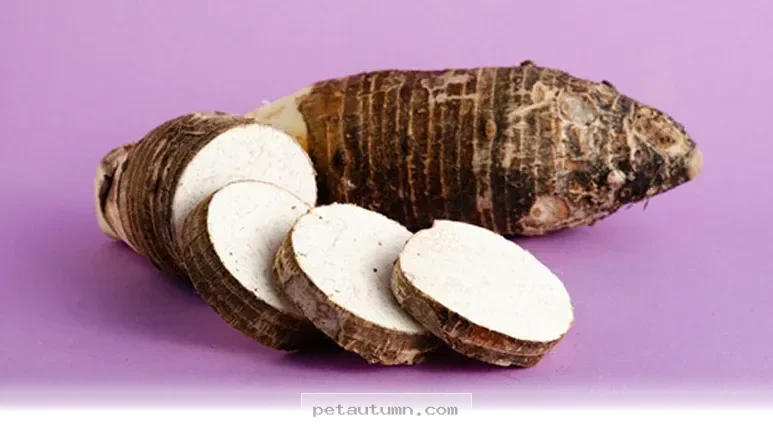
Many pet owners find themselves searching for fresh ways to brighten their dog’s bowl, often looking toward the produce aisle for inspiration. You might have seen taro root featured in tropical dishes or exotic recipes and wondered if your four-legged friend could enjoy a taste.
While this starchy tuber is a staple in many cultures, it requires a bit of extra care before it ever reaches your pet’s dinner dish. It is vital to separate fact from fiction regarding this root vegetable to keep your companion safe and happy.
Key Takeaways
- Taro is safe for pets to eat only when it is thoroughly cooked and served in small quantities.
- The raw taro plant, including stems and leaves, contains calcium oxalates and should be kept away from pets.
- Taro is high in starch, which means it offers little nutritional value for carnivores and should be used sparingly.
- Always serve taro plain, as added seasonings like garlic, onion, or excessive salt are harmful to pets.
- If your pet has a history of bladder or kidney stones, consult your veterinarian before introducing high-oxalate foods.
Understanding the Risks of Raw Taro
It is a common misconception that all vegetables are inherently healthy for every animal in any form. When it comes to taro, you must be aware that the raw plant poses real dangers to your pet.
The ASPCA notes that the leaves, stems, and raw corms of the taro plant contain insoluble calcium oxalates. These compounds cause immediate irritation upon contact, leading to significant discomfort for your pet.
Signs of Raw Taro Ingestion
- Excessive drooling and foaming at the mouth
- Visible oral irritation or swelling of the lips and tongue
- Difficulty swallowing or pawing at the mouth
- Vomiting or signs of intense distress
- Reduced appetite due to oral pain
Is Taro Actually Good for Pets?
Once you have thoroughly cooked the taro root, the toxic compounds are neutralized, making it a safe texture-booster for meals. However, your dog or cat does not have a biological requirement for the heavy starches found in this tuber.
Think of taro as a rare, fun addition rather than a nutritional staple for their diet. Because of the starch content, moderation is your best friend when incorporating this root into their routine.
Comparison of Starchy Treats
| Food Item | Starch Level | Safety Note |
|---|---|---|
| Cooked Taro | High | Must be cooked thoroughly |
| Sweet Potato | Moderate | Excellent fiber source |
| Raw Potato | High | Do not feed; contains solanine |
How to Prepare Taro for Your Pet
If you decide to offer a small bite of cooked taro, the preparation process is simple but non-negotiable for safety. Follow these steps to ensure the treat is prepared correctly for your dog.
1. Proper Cleaning
Start by washing the taro root thoroughly to remove any dirt or residue from the soil. You should always peel the outer skin entirely, as it can be tough and difficult for your pet to digest.
2. The Cooking Process
Never serve raw taro under any circumstances, as the irritation risk is too high. You can boil or steam the root until it is soft enough to mash easily with a fork.
3. Serving Sizes
Keep the portion size very small, as taro is quite calorie-dense and high in carbohydrates. A small cube or a teaspoon of mashed taro is plenty for a medium-sized dog to enjoy as an occasional snack.
4. Flavor Check
Always serve the taro completely plain. Many human taro recipes call for butter, garlic, onions, or excessive salt, all of which are dangerous or toxic for your pet.
Nutritional Benefits and Considerations
While taro is not a superfood for dogs, it does contain some interesting compounds like anthocyanins and quercetin. These phytochemicals are known for their antioxidant properties in humans and other species.
Research often highlights these antioxidants for their potential to help combat free radicals in the body. However, you should prioritize balanced, species-appropriate nutrition over these minor benefits when choosing what goes into your pet’s bowl.
The information on petautumn.com is for general informational purposes only and does not constitute veterinary advice. Pet health needs vary by breed, age, and individual condition. Always consult a licensed veterinarian before making decisions about your pet’s health, diet, or medical treatment. Pet Autumn is not affiliated with any veterinary organization, pet food manufacturer, or breeder.
While it is tempting to share your favorite snacks, keeping your pet on a consistent, veterinarian-approved diet is the best way to ensure their long-term health. If you ever have questions about specific ingredients, a quick call to your local clinic is always worth the effort.
Most pets will be just as happy with a simple, high-quality treat as they would be with a complex, homemade concoction. Keep things simple, monitor for any reactions, and enjoy the process of keeping your best friend healthy and well-fed.

Cat care writer at petautumn.com. English Literature graduate (S.S) from Universitas Udayana. Covers cat breeds, behavior, nutrition, grooming, and health. Cat mom to Luna and Lina. Based in Austin, Texas.