Written by Kadek Darma
Imagine coming home from a routine afternoon walk, only to find your best friend struggling to stand just a few hours later. For many dog owners, this sudden transition from playful pup to mobility-challenged companion is a terrifying, life-altering experience that feels like it happens in the blink of an eye.
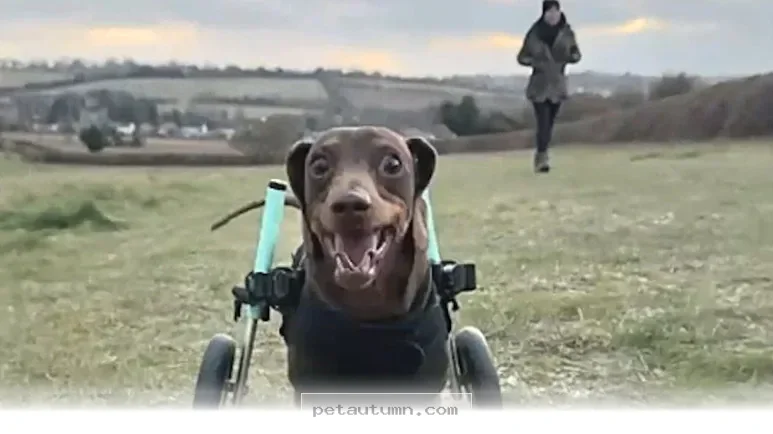
Yet, as many families have discovered, a spinal injury does not have to mean the end of a joyful life. With the right support system, patience, and a set of custom wheels, dogs like Alfie prove every single day that they are still the same happy, adventurous souls they have always been.
Key Takeaways
- Sudden mobility loss requires immediate professional veterinary evaluation to assess the underlying cause.
- Rehabilitation and physical therapy are essential components for managing long-term spinal health.
- Dog wheelchairs provide necessary freedom and mental stimulation for paralyzed pets.
- Adapting your home environment ensures your dog remains safe and independent.
Understanding Canine Mobility Challenges
When your dog faces a spinal injury, the first step is always to gather as much information as possible from your veterinarian. Sudden paralysis is often linked to conditions like Intervertebral Disc Disease (IVDD), which requires swift action to prevent further nerve damage.
While the diagnosis can feel overwhelming, you are not navigating this journey alone. Many dogs thrive after their injuries, finding new ways to zoom, play, and explore the world around them with a little help from modern veterinary medicine.
Common Signs of Spinal Distress
If you notice your dog moving differently, keep a close watch for these warning signs:
- Knuckling of the paws (walking on the top of the foot)
- Dragging the rear limbs or a wobbly, uncoordinated gait
- Reluctance to jump, climb stairs, or play as usual
- Sensitivity or arching in the back
- Loss of bladder or bowel control
The Journey to Recovery and Adaptation
After the initial medical phase, the focus shifts toward rehabilitation and finding the right mobility aids. A wheelchair, often called a "cart," acts as a supportive frame that allows your dog to use their front legs to power their movement while keeping their hindquarters safely suspended.
Getting your dog accustomed to their new gear takes time and a lot of positive reinforcement. It is a process of trial and error, but seeing that first moment of independent movement is worth every bit of effort.
3 Tips for a Smooth Transition to Wheels
- Start with Short Sessions: Introduce the wheelchair for only a few minutes at a time to build confidence.
- Use High-Value Treats: Reward your dog for stepping forward while wearing the harness to create a positive association.
- Monitor Pressure Points: Check your dog’s skin regularly to ensure the harness fits comfortably and does not cause irritation.
Comparing Mobility Solutions
Choosing the right equipment for your dog depends on their size, level of mobility, and the nature of their injury. Use this table to understand the common options available to help your pet regain their confidence.
| Solution Type | Best For | Primary Benefit |
|---|---|---|
| Support Harness | Mild weakness | Assisted walking |
| Rear-Wheel Cart | Hind limb paralysis | Full independence |
| Full Body Support | Total mobility loss | Safe movement |
| Drag Bag | Indoor protection | Skin safety |
Essential Supplies for Your Pet
- Orthopedic foam beds for pressure relief
- High-traction rugs for better indoor grip
- Adjustable slings for stair support
- Waterproof bedding for easy cleaning
Home Modifications for Comfort
Creating a friendly space for your dog is about minimizing obstacles. You might consider adding ramps instead of stairs or using baby gates to block off areas that are difficult for your dog to navigate.
Most importantly, keep the floor clear of clutter so your dog can move through their favorite rooms without fear. A little bit of rearranging makes a massive difference in your pet’s quality of life.
The information on petautumn.com is for general informational purposes only and does not constitute veterinary advice. Pet health needs vary by breed, age, and individual condition. Always consult a licensed veterinarian before making decisions about your pet’s health, diet, or medical treatment. Pet Autumn is not affiliated with any veterinary organization, pet food manufacturer, or breeder.
Watching your dog rediscover their spirit is one of the most rewarding experiences you can have as a pet owner. Even when the road to recovery is long, the bond you share will only grow stronger through the challenges you face together.
Every day is a chance for a new adventure, regardless of how many legs are touching the ground. Cherish those moments, keep moving forward, and always celebrate the small victories that lead to a happy life.

Cat care writer at petautumn.com. English Literature graduate (S.S) from Universitas Udayana. Covers cat breeds, behavior, nutrition, grooming, and health. Cat mom to Luna and Lina. Based in Austin, Texas.