Written by Kadek Darma
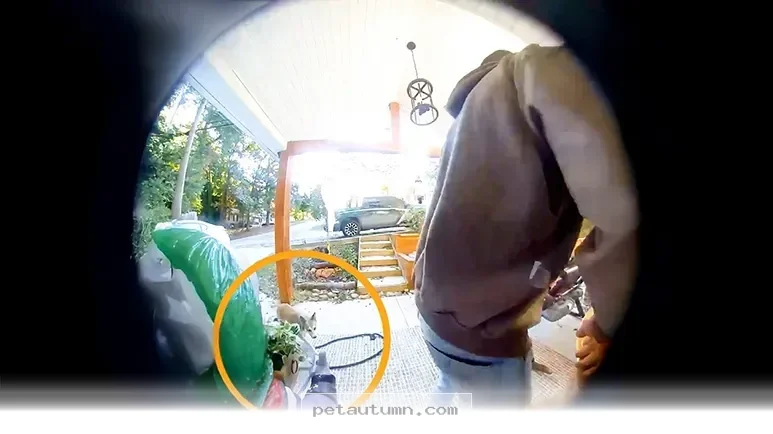
It is easy to assume the worst when you spot a wild animal lingering by the roadside. One couple recently experienced this firsthand when they pulled over to check on what they were certain was a coyote.
Instead of a wild predator, they discovered a tiny, shivering soul in desperate need of help. This chance encounter turned into a heartwarming rescue that proved just how much a little kindness can change the course of a life.
Key Takeaways
- Always approach unknown animals with extreme caution to ensure your safety.
- Stray pets often hide in plain sight and may look very different from domestic dogs.
- Microchipping is the most reliable way to reunite lost pets with their families.
- Rescuing a stray often requires patience, medical care, and a lot of heart.
- Opening your home to a rescue animal can create a lasting bond.
Identifying a Stray Versus a Wild Animal
When you see a creature in need, your heart often beats faster. It is natural to feel a mix of concern and hesitation when you are not sure what you are looking at.
Distinguishing between a domestic dog and a wild canine like a coyote can be difficult from a distance. You should always prioritize your own safety by keeping a distance if the animal appears aggressive or sick.
Common Signs of a Domestic Stray
- The animal may have a collar, though many long-term strays lose them.
- Domestic dogs often show signs of seeking human interaction or food.
- Look for signs of grooming or a coat that does not look like a wild animal’s.
- Domestic dogs may have a more relaxed posture compared to a wary coyote.
The Reality of Rescuing a Stray
Taking a stray off the street is a serious commitment that requires careful planning. You cannot simply bring an unknown animal into your home without considering your existing pets and your own safety.
Most rescued strays have not seen a veterinarian in a long time. You must be prepared to handle immediate health needs and provide a safe, quiet space for them to decompress.
Steps for a Successful Rescue
- Assess the environment to ensure the animal is not currently being cared for by someone nearby.
- Approach slowly and calmly while speaking in a soft, low voice to avoid causing panic.
- Use a leash or a crate to secure the animal safely without direct physical contact.
- Transport the animal to a local clinic to scan for a microchip as soon as possible.
- Keep the rescue separated from your other pets until they have a clean bill of health.
Understanding Rescue Costs
| Expense Item | Expected Cost | Note |
|---|---|---|
| Initial Exam | $50 – $100 | Essential for identifying health issues |
| Microchip Scan | $0 – $30 | Many shelters offer this for free |
| Vaccinations | $40 – $150 | Crucial for preventing common diseases |
| Parasite Control | $30 – $80 | Necessary for flea and tick prevention |
| Grooming | $50 – $120 | Vital for matted or neglected coats |
Providing a Safe Haven
Once you bring a stray into your home, the recovery process begins. Many of these animals have spent weeks or months fending for themselves, so they are often exhausted and malnourished.
Your primary job is to provide consistency and routine. A predictable environment helps a nervous rescue realize that they are finally safe and sound.
How to Help Your New Rescue Adjust
- Create a "safe zone" with a comfortable bed, water, and appropriate food.
- Keep the house quiet to minimize stress and prevent sensory overload.
- Allow the animal to approach you at their own pace rather than forcing interaction.
- Establish a strict potty schedule to build confidence and prevent accidents indoors.
- Provide enrichment items like safe chew toys to help them release pent-up energy.
The Long-Term Impact of Kindness
The story of the couple who found their rescue, Sprite, serves as a beautiful reminder of the power of compassion. By choosing to stop, they didn’t just save one dog; they enriched their own lives and eventually made space for another friend named Bonbon.
When you choose to foster or adopt, you are filling a gap in a pet’s life that would otherwise remain empty. The reward is a loyal companion who understands that you were the one who gave them a second chance.
The information on petautumn.com is for general informational purposes only and does not constitute veterinary advice. Pet health needs vary by breed, age, and individual condition. Always consult a licensed veterinarian before making decisions about your pet’s health, diet, or medical treatment. Pet Autumn is not affiliated with any veterinary organization, pet food manufacturer, or breeder.
Every rescue story is unique, but they all share a common thread of hope. You never know where a simple act of stopping on the side of the road might lead.
Whether you are looking to adopt or simply want to learn more about helping strays in your community, remember that your choices matter. Keep your heart open and your eyes peeled for those who need a little extra help along the way.

Dog care writer at petautumn.com. Visual Communication Design graduate (S.Ds) from Universitas Udayana. Covers dog breeds, behavior, training, and gear reviews. Dog dad to Meepo. Based in Austin, Texas.