Written by Kadek Darma
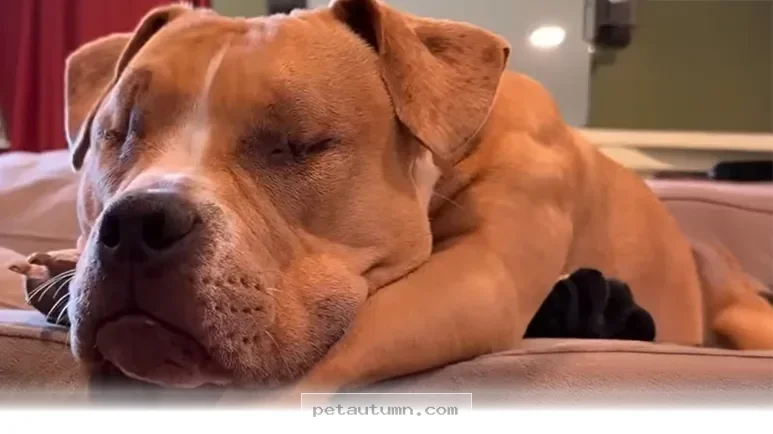
Finding the perfect companion is a journey that often begins in the most unexpected places. For one family, that journey led them to Maisy, a sweet dog who had lost her eyesight and was facing an uncertain future.
Their story reminds us that a physical limitation does not define a pet’s capacity for love or joy. When you open your heart to a special needs animal, you gain a bond that is truly one of a kind.
Key Takeaways
- Blind dogs navigate their world primarily through scent and hearing.
- Consistency in your home layout helps your pet feel safe and secure.
- Patience and positive reinforcement are the foundations of building trust.
- Special needs dogs often form deep, intuitive connections with their owners.
- Creating a sensory-rich environment makes life easier for your visually impaired friend.
Understanding Life With a Blind Dog
Living with a blind dog might seem intimidating at first, but many owners find it surprisingly seamless. Dogs are masters of adaptation, and they rarely view their lack of vision as a tragedy.
If you are considering adopting or caring for a blind dog, you will quickly learn that they are incredibly resilient creatures. They use their whiskers, sense of smell, and hearing to map out every corner of your home with impressive accuracy.
1. Preparing Your Home for Success
You do not need to overhaul your entire living space to accommodate a blind pup. Simple adjustments can make a world of difference for their confidence as they move around your home.
- Keep furniture in the same location to prevent accidental bumps.
- Use rugs or floor mats to create tactile pathways for your pet.
- Place scent markers near doorways or stairs to help with navigation.
- Block off potentially dangerous areas like open staircases or sharp corners.
- Maintain a consistent routine for feeding, walks, and playtime.
2. Communicating With Your Pet
Since your dog cannot see your hand signals, you should rely on verbal cues and physical touch to communicate. Talking to your dog before you approach them prevents startling and helps them feel secure.
Using a consistent tone of voice helps your dog recognize your presence even when you are in another room. You can also teach them simple commands like "step" or "stop" to help them navigate changes in elevation or obstacles during your daily walks.
| Adaptation Method | Benefit to the Dog |
|---|---|
| Auditory Cues | Helps them locate you and understand instructions. |
| Scent Mapping | Allows them to identify rooms and safe zones easily. |
| Tactile Floor Changes | Provides a clear warning for stairs or doorway transitions. |
| Consistent Layout | Reduces anxiety and prevents unnecessary collisions. |
3. Essential Supplies for Blind Dogs
You can enhance your dog’s daily comfort with a few thoughtful items. These tools are designed to provide extra protection and peace of mind during your outings.
- Halo Harness: These devices feature a ring that extends past the dog’s head, acting as a bumper.
- Scented Training Treats: Use highly aromatic rewards to guide your dog during training sessions.
- Auditory Toys: Choose toys that squeak or rattle so your pet can track them easily.
- Sturdy Leash: A shorter lead gives you better control when guiding your dog through new environments.
- Calming Pheromones: These can help anxious dogs feel more settled in new surroundings.
4. Recognizing When Your Dog Needs Extra Support
Even the most confident blind dogs will have days where they feel overwhelmed by their surroundings. Observing their behavior closely will help you recognize when they need a little extra reassurance.
- Whining or pacing in unfamiliar areas.
- Sudden hesitation or freezing when encountering new surfaces.
- Increased reliance on physical contact with their human companions.
- Startling easily at sudden noises or unexpected touches.
- Seeking out quiet, secluded spots to decompress after busy days.
For more detailed information on managing health conditions that might lead to vision loss, you can visit resources like the American Kennel Club to learn more about breed-specific eye health. Proper veterinary guidance is the best way to monitor your dog’s changing needs as they age.
The information on petautumn.com is for general informational purposes only and does not constitute veterinary advice. Pet health needs vary by breed, age, and individual condition. Always consult a licensed veterinarian before making decisions about your pet’s health, diet, or medical treatment. Pet Autumn is not affiliated with any veterinary organization, pet food manufacturer, or breeder.
Welcoming a dog like Maisy into your life is a testament to the power of patience and love. They do not need sight to see the kindness you offer them every single day.
By providing a stable and loving environment, you are giving your dog the best possible life. That deep, unspoken connection you share will surely be the highlight of your journey together.

Cat care writer at petautumn.com. English Literature graduate (S.S) from Universitas Udayana. Covers cat breeds, behavior, nutrition, grooming, and health. Cat mom to Luna and Lina. Based in Austin, Texas.