Written by Ayu Pratiwi
Birds are absolute masters at masking illness, a survival skill honed over thousands of years to avoid attracting predators in the wild. If your feathered friend is showing outward signs of being unwell, it often means the health issue has already reached a critical point.
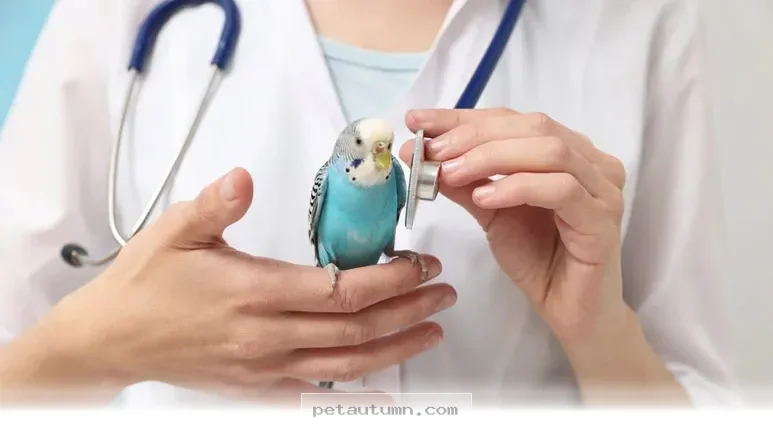
Because of this natural instinct to hide weakness, your bird relies on you to be their advocate. Regular check-ups with a qualified avian veterinarian can help you catch subtle changes long before they become life-threatening emergencies.
Key Takeaways
- Birds are experts at concealing illness, so you should monitor them for any subtle changes in behavior or vocalization.
- Weekly weigh-ins provide a simple, effective way to track your bird’s health trends at home.
- Annual wellness exams and baseline blood work are essential for early detection of underlying health conditions.
- Pet birds require significant social interaction, daily time outside the cage, and a specialized diet to thrive.
- Always prioritize care from a veterinarian who specializes in avian medicine to ensure the best possible diagnostic accuracy.
Why Routine Vet Care Matters for Birds
Many owners mistakenly believe that birds are low-maintenance pets compared to dogs or cats. In reality, they are complex, highly intelligent creatures that require dedicated attention to their physical and emotional well-being.
When you take your bird for a routine wellness exam, you are doing more than just checking for immediate illness. You are building a medical history that helps your vet understand what is "normal" for your specific companion.
1. The Power of Early Detection
Most avian diseases are much easier to manage when identified in their infancy. Your veterinarian can look for signs of malnutrition, respiratory issues, or organ stress that aren’t yet visible to the naked eye.
2. Establishing a Health Baseline
Having a record of your bird’s blood work and physical health while they are feeling great is invaluable. If your bird ever gets sick in the future, your vet can compare new results against this baseline to pinpoint exactly what has changed.
3. Monitoring Behavioral Changes
Birds are sensitive to their environments and can suffer from stress-related health problems. An avian vet can help you identify if behavior issues like feather plucking or excessive screaming are tied to physical pain or emotional distress.
| Health Metric | Why It Matters | Frequency |
|---|---|---|
| Weight | Sudden drops often signal illness | Weekly |
| Appetite | Changes in intake indicate distress | Daily |
| Vocalization | Stopping songs can mean pain | Daily |
| Vet Exam | Professional health assessment | Annually |
Note: Table rows with white text are header rows; light green rows indicate healthy habits, while yellow rows indicate caution areas.
Recognizing Subtle Signs of Illness
Since birds do not always show classic symptoms like lethargy until they are very ill, you must watch for minor shifts in their daily routine. Even a slight change in how your bird interacts with you can be a red flag.
Common Signs to Watch For
- Reduced singing or changes in vocal tone
- Changes in the consistency or volume of droppings
- Feather picking or self-mutilation
- Increased time spent at the bottom of the cage
- Fluffed feathers or sitting with eyes closed for long periods
If you notice these behaviors, it is better to schedule a consultation with a professional sooner rather than later. You can find more information on avian health standards through the Association of Avian Veterinarians.
Transitioning to a proactive care routine ensures your bird has the best chance at a long, happy life.
Creating a Healthy Environment at Home
Beyond veterinary visits, your daily habits play a huge role in preventing health issues. Providing a species-appropriate diet is the foundation of your bird’s immune system, yet many birds are fed a nutritionally poor seed-only diet.
Tips for Better Bird Wellness
- Prioritize Out-of-Cage Time: Your bird needs several hours of social interaction outside the cage every day to remain mentally stimulated.
- Bird-Proof Your Living Space: Remove hazards like electrical cords, toxic houseplants, and small items that could be swallowed.
- Offer a Varied Diet: Work with your vet to transition your bird toward high-quality pellets and fresh, bird-safe vegetables.
- Keep Them Active: Provide puzzle toys and foraging opportunities to keep their minds sharp and their bodies moving.
- Maintain Hygiene: Regularly sanitize perches, food dishes, and the cage floor to prevent bacterial buildup.
For guidance on nutrition and environment, you might consult resources provided by the Cornell University College of Veterinary Medicine. Always ensure that your home setup accommodates the specific natural behaviors of your bird species.
The information on petautumn.com is for general informational purposes only and does not constitute veterinary advice. Pet health needs vary by breed, age, and individual condition. Always consult a licensed veterinarian before making decisions about your pet’s health, diet, or medical treatment. Pet Autumn is not affiliated with any veterinary organization, pet food manufacturer, or breeder.
Building a long-term relationship with an avian veterinarian is one of the most loving things you can do for your bird. By staying consistent with check-ups and watching for those small, quiet signals, you ensure your companion stays by your side for years to come.
Taking care of a bird is a rewarding commitment that requires observation and patience. With the right care and professional support, you can provide your feathered friend with a safe and healthy life.

Dog care writer at petautumn.com. Visual Communication Design graduate (S.Ds) from Universitas Udayana. Covers dog breeds, behavior, training, and gear reviews. Dog dad to Meepo. Based in Austin, Texas.