Written by Kadek Darma
Walking your dog through the park or letting your cat explore the yard seems like a simple daily joy. However, in certain environments, these outdoor adventures can expose your furry friend to invisible threats lurking in the soil.
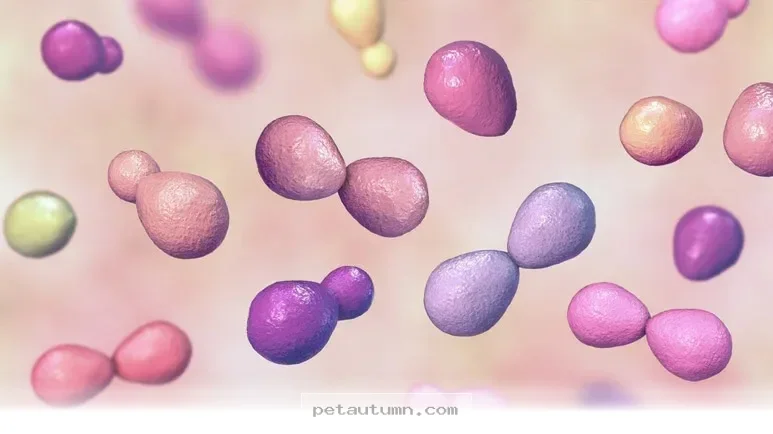
Histoplasmosis is a fungal infection caused by Histoplasma capsulatum, a resilient organism that thrives in warm, humid conditions. These microscopic spores become airborne, and once inhaled, they can travel through your pet’s bloodstream to affect vital organs.
Key Takeaways
- Histoplasmosis spores thrive in soil enriched by bird or bat droppings, especially near river basins.
- Outdoor pets and hunting dogs face the highest risk of inhaling these airborne fungal spores.
- Symptoms vary widely, ranging from chronic coughing and weight loss to severe gastrointestinal distress.
- Diagnosis requires a combination of blood work, imaging, and tissue sampling to rule out other conditions.
- Treatment for severe infections is intensive and often requires several months of specialized antifungal therapy.
Understanding the Fungal Threat
The fungus responsible for histoplasmosis prefers damp, nitrogen-rich soil. It is frequently found in areas with heavy concentrations of bird or bat guano, making river valleys like the Mississippi, Missouri, and Ohio basins prime hotspots.
While the spores are tiny, they are surprisingly tough. When your pet digs in the dirt or plays near contaminated areas, they can easily inhale these heat-resistant spores, which then settle in the lungs before spreading.
Recognizing the Warning Signs
Because this fungus can affect multiple organ systems, the symptoms your pet displays depend entirely on where the infection has taken hold. You should monitor your pet closely if you notice any of these common clinical signs:
- Persistent, dry cough or labored breathing
- Unexplained weight loss or muscle wasting
- Chronic diarrhea or vomiting
- Blood or mucus in the stool
- Lethargy and loss of appetite
- Fever and enlarged lymph nodes
- Lameness or joint swelling
- Ulcerated skin lesions or eye inflammation
How Veterinarians Diagnose Infection
- Physical Examination: Your vet will check for physical clues such as enlarged organs, pale gums, or abnormal lung sounds.
- Laboratory Testing: A complete blood count and biochemical profile help assess how the internal organs are functioning.
- Advanced Screening: Because antibody tests only show exposure, vets often use urine antigen tests to confirm an active infection.
- Diagnostic Imaging: X-rays of the chest or bones are frequently necessary to see how far the fungus has spread.
- Biopsy and Aspiration: Collecting fluid or tissue samples from the lungs, liver, or spleen provides the most definitive confirmation of the disease.
Comparing Diagnostic Methods
| Diagnostic Test | Purpose | Risk Level |
|---|---|---|
| Blood Chemistry | Checks organ function | Low |
| Chest X-ray | Views lung involvement | Moderate |
| Tissue Biopsy | Definitive diagnosis | High (Invasive) |
Managing this infection is a marathon, not a sprint, requiring patience and consistent care from you and your medical team.
Treatment and Recovery Protocols
Mild respiratory cases sometimes resolve if your pet has a strong immune system, but systemic infections are dangerous. Most treatment plans involve long-term oral antifungal medication administered for four to six months.
Severe cases require hospitalization for intravenous fluids, oxygen therapy, and specialized nutritional support. Since antifungal medications can be hard on the body, your veterinarian will likely schedule frequent follow-up appointments to monitor your pet’s liver and kidney function.
For more information on fungal diseases, you can look at resources provided by the American Veterinary Medical Association or the Cornell University College of Veterinary Medicine. You can also learn about general pet health safety at the ASPCA.
The information on petautumn.com is for general informational purposes only and does not constitute veterinary advice. Pet health needs vary by breed, age, and individual condition. Always consult a licensed veterinarian before making decisions about your pet’s health, diet, or medical treatment. Pet Autumn is not affiliated with any veterinary organization, pet food manufacturer, or breeder.
Protecting your pet starts with being aware of the environment they play in every day. Keep an eye on their energy levels and breathing patterns, and never hesitate to reach out to your vet if something seems off.
Early detection is your best tool for ensuring a successful recovery. By keeping your yard clean and staying observant, you can help keep your companion safe from airborne environmental threats.

Cat care writer at petautumn.com. English Literature graduate (S.S) from Universitas Udayana. Covers cat breeds, behavior, nutrition, grooming, and health. Cat mom to Luna and Lina. Based in Austin, Texas.