Written by Kadek Darma
Have you ever wondered if the environment we share with our pets is impacting their health in ways we cannot see? A sobering 26-year study has uncovered a troubling decline in canine fertility that may serve as a silent alarm for both our four-legged companions and their human families.
Researchers found that the quality of sperm in intact male dogs has dropped significantly since 1988. This research highlights the hidden influence of hormone-disrupting chemicals that have become an unavoidable part of our modern, everyday lives.
Key Takeaways
- Sperm motility in the studied dog population declined by approximately 35% over 26 years.
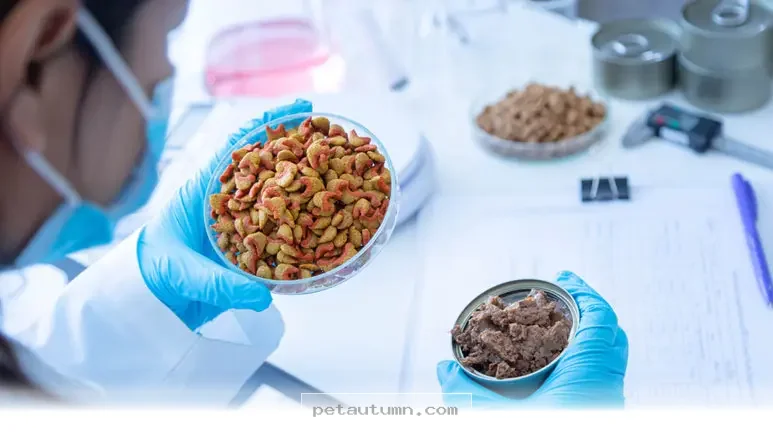
- Hormone-disrupting chemicals, including phthalates and PCBs, were detected in both canine reproductive tissue and commercial pet food.
- These environmental contaminants are known to interfere with reproductive health and DNA integrity.
- Dogs often act as sentinels, sharing our living spaces and potentially warning us of broader environmental health risks.
Understanding the Decline in Canine Fertility
The study, conducted by the University of Nottingham, tracked intact male dogs across five popular breeds, including Labrador Retrievers and German Shepherds. By analyzing semen samples with strict consistency over two decades, scientists observed a measurable, downward trend in reproductive health.
The decline was not merely a fluctuation but a consistent pattern that mirrored similar trends observed in human male fertility studies. Dr. Richard Lea, the lead researcher, noted that these environmental contaminants could be a primary driver behind these shifting biological markers.
How Environmental Chemicals Impact Pets
It is often difficult to pinpoint exactly how toxins enter a pet’s system, but the study identified several common pathways. These chemicals, often used in plastics or as flame retardants in furniture, can migrate into food sources during processing or through contaminated packaging.
When these substances enter the body, they can disrupt the endocrine system, which regulates essential hormones. The following table summarizes the potential risks and common sources of these disruptive elements:
| Chemical Type | Common Source | Primary Concern |
|---|---|---|
| Phthalates (DEHP) | Plastic packaging, flexible materials | Sperm motility interference |
| PCBs | Industrial contaminants, food chain | DNA integrity and hormonal balance |
| PBDEs | Flame retardants in household goods | Thyroid and endocrine disruption |
1. Identifying the Signs of Environmental Stress
Because these chemicals often work silently, you may not see immediate outward symptoms. However, paying attention to your dog’s overall reproductive health and development is a proactive step.
- Reduced sperm quality or motility in intact males.
- Higher incidence of cryptorchidism in offspring.
- Unexplained shifts in the male-to-female birth ratio.
- General lethargy or unexplained metabolic changes.
2. Reducing the Toxic Load at Home
While you cannot eliminate every chemical in the modern world, you can significantly reduce your dog’s exposure. Small, consistent changes in your household routine often lead to the best long-term outcomes for your pet’s vitality.
- Prioritize fresh, whole-food diets to avoid potential contaminants found in processed packaging.
- Filter your dog’s drinking water to remove common heavy metals and impurities.
- Choose non-toxic, natural cleaning supplies to minimize indoor air and floor-level pollutants.
- Consult your veterinarian about a safe, supportive detoxification protocol if you suspect high exposure.
The connection between our pets’ health and the environment is a powerful reminder of why we should be mindful of what we bring into our homes. By choosing cleaner options and staying informed, you can help provide a safer, healthier environment for your dog to thrive.
The information on petautumn.com is for general informational purposes only and does not constitute veterinary advice. Pet health needs vary by breed, age, and individual condition. Always consult a licensed veterinarian before making decisions about your pet’s health, diet, or medical treatment. Pet Autumn is not affiliated with any veterinary organization, pet food manufacturer, or breeder.
Taking these steps helps you act as a guardian for your pet’s well-being in an increasingly complex world. You are the most important advocate for your dog’s long-term health and happiness.
If you are concerned about your dog’s fertility or overall health, the best first step is to contact your veterinarian for a thorough examination. Being proactive allows you to address potential issues early and keep your companion by your side for many years to come.

Cat care writer at petautumn.com. English Literature graduate (S.S) from Universitas Udayana. Covers cat breeds, behavior, nutrition, grooming, and health. Cat mom to Luna and Lina. Based in Austin, Texas.