Written by Kadek Darma
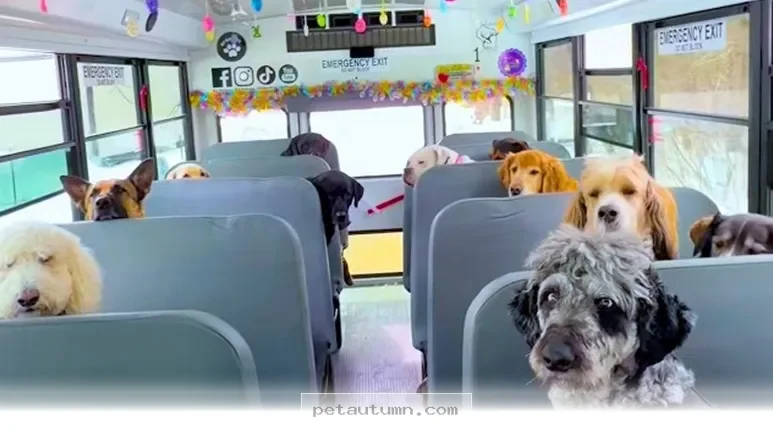
Have you ever wondered what happens when a simple hobby turns into a life-changing mission? For one dedicated dog lover, walking a few neighborhood pups quickly blossomed into a full-scale transportation operation, complete with a custom "dog bus" and a private sanctuary.
This transformation wasn’t just about managing logistics or finding a bigger vehicle for the pack. It was about creating a safe, joyous environment where dogs could socialize and exercise far beyond the constraints of a standard city sidewalk.
- Upgrading your pet transport requires careful safety planning and vehicle modifications.
- Consistent social interaction can significantly improve a dog’s behavioral health.
- Private parks offer a secure alternative to crowded public dog runs.
- Successful pack management relies on understanding individual canine personalities.
Planning Your Own Canine Transportation
Transitioning to a larger vehicle is a major milestone for any professional walker or multi-dog household. You need to consider the comfort and safety of every passenger while ensuring the vehicle is easy to sanitize.
1. Prioritizing Vehicle Safety
Before you start looking at vans or buses, safety must be your top priority. Ensure that every dog has a secure point to attach a harness, or utilize crash-tested crates to keep them stationary during transit.
2. Maintaining Cleanliness
With a high volume of dogs, mud and accidents are inevitable. Choose flooring materials that are non-slip and water-resistant to make your daily cleanup routine much faster.
3. Managing the Pack
Always group dogs based on their play styles and temperament rather than size alone. Observing how your dogs interact at home can help you predict how they might behave in a group setting.
| Feature | Standard SUV | Custom Dog Bus |
|---|---|---|
| Passenger Capacity | 2-3 Dogs | 15-30 Dogs |
| Climate Control | Basic | Advanced/Dedicated |
| Maintenance Ease | Moderate | High/Industrial |
| Customization Needs | Minimal | Significant |
The leap from a small sedan to a specialized bus requires dedication to the specific needs of your canine companions.
Recognizing Your Dog’s Social Needs
Not every dog thrives in a large pack environment, and it is vital to recognize when a dog is feeling overwhelmed. Watch for these common behavioral signals that your dog may need more space or a different environment:
- Excessive panting: A sign of stress or overheating.
- Tail tucking: Often indicates fear or anxiety.
- Avoidance behavior: Trying to hide or move away from other dogs.
- Stiff body posture: A warning sign that a dog is uncomfortable.
- Lip licking: Frequently signals mild distress or nervousness.
If you are planning to join a group walking service or visit a private park, start with shorter sessions. According to the American Kennel Club, observing your dog’s comfort level during initial social encounters is the best way to ensure they enjoy their time away from home.
Essential Gear for Traveling Pups
If you are traveling with your own dogs, having the right supplies makes the experience safer for everyone involved. Keeping an organized kit in your trunk ensures you are prepared for any situation during your travels.
- Collapsible water bowls: Essential for staying hydrated on the go.
- Travel-sized first aid kit: Including gauze, antiseptic wipes, and tape.
- Secure harness: Never use a collar for car restraint.
- High-value treats: Great for positive reinforcement in new locations.
- Portable waste bags: Always clean up after your pet.
You might also consider checking PetMD for additional tips on how to keep your dog calm while traveling. Preparation helps minimize stress and keeps the focus on the fun of the adventure.
The information on petautumn.com is for general informational purposes only and does not constitute veterinary advice. Pet health needs vary by breed, age, and individual condition. Always consult a licensed veterinarian before making decisions about your pet’s health, diet, or medical treatment. Pet Autumn is not affiliated with any veterinary organization, pet food manufacturer, or breeder.
Creating a space where dogs can be their authentic selves is a rewarding journey. Whether you are managing a busload of pups or just taking your best friend on a weekend road trip, the key is always patience and safety.
Remember to keep your pet’s unique personality at the center of your plans. With the right preparation, you can turn every outing into a memorable experience that strengthens the bond you share with your dog.

Cat care writer at petautumn.com. English Literature graduate (S.S) from Universitas Udayana. Covers cat breeds, behavior, nutrition, grooming, and health. Cat mom to Luna and Lina. Based in Austin, Texas.