Written by Kadek Darma
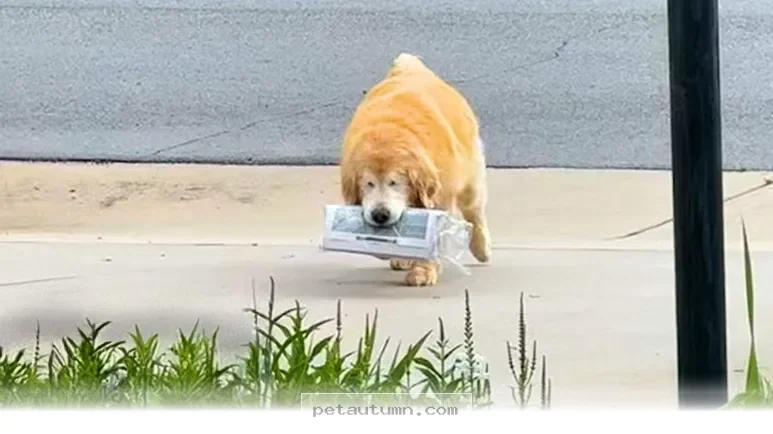
Even after losing his eyesight to glaucoma, Mason never gave up his favorite morning routine. Every day, this sweet 12-year-old dog proudly finds and delivers the newspaper, proving some traditions are stronger than anything.
Watching a senior dog adapt to vision loss can be both heartbreaking and incredibly inspiring for any pet owner. Mason’s story reminds us that with a little patience and a lot of love, our canine companions can still lead fulfilling lives despite physical challenges.
Key Takeaways
- Senior dogs rely heavily on their sense of smell and hearing when vision fades.
- Maintaining a consistent routine helps anxious pets feel secure in their environment.
- Simple modifications to your home can prevent accidents for blind or visually impaired dogs.
- Positive reinforcement keeps your dog motivated and mentally engaged during daily tasks.
- Consult your vet early if you notice changes in your pet’s eye appearance or behavior.
Understanding Vision Loss in Senior Dogs
When our pets age, it is natural to worry about their changing senses. Recognizing the signs early can help you manage your dog’s comfort and safety effectively.
1. Common Symptoms to Watch For
If you suspect your dog is struggling with their vision, observe them closely for these specific signs. Early detection is the best way to keep them comfortable and happy.
- Cloudiness or bluish tint in the pupils
- Bumping into furniture or walls, especially in low light
- Hesitation when jumping on or off the sofa
- Disorientation in unfamiliar places
- Sudden anxiety during evening walks or in dim rooms
- Dilated pupils that do not react to bright light
2. How to Help Your Blind Dog Thrive
Adapting your home environment is a primary step in supporting a dog with vision loss. Keeping the furniture in the same place prevents confusion and helps them navigate confidently.
| Modification | Benefit | Safety Level |
|---|---|---|
| Use area rugs | Provides texture cues for navigation | Positive |
| Baby gates | Blocks dangerous stairs or sharp drops | Positive |
| Scent markers | Helps them identify specific rooms | Caution |
| Dim lighting | Reduces glare for dogs with partial vision | Caution |
| Removing obstacles | Prevents tripping hazards | Positive |
3. Tips for Maintaining Their Daily Routine
Consistency is the backbone of confidence for a dog who can no longer see the world clearly. Mason’s ability to fetch the paper shows that muscle memory and routine are powerful tools.
- Keep paths clear: Never rearrange your living room furniture without guiding your dog through the new layout.
- Use auditory cues: Talk to your dog more often so they can track your location through your voice.
- Walk on familiar routes: Stick to your regular walking path to build their confidence through scent recognition.
- Engage their nose: Play scent-based games to keep their mind sharp and focused on positive experiences.
- Protect their eyes: Use protective gear if your vet suggests it, especially when outdoors in bright sunlight.
Modifying your home and habits ensures your senior dog feels safe and empowered every single day.
Supporting Your Senior Companion
Beyond physical modifications, the emotional support you provide is truly the most important factor in your dog’s quality of life. Spending extra time cuddling or talking to your pet helps them feel connected and safe.
Pros and Cons of Home Modifications
| Modification | Pros | Cons |
|---|---|---|
| Floor Mats | Non-slip surface and distinct texture | Can be a trip hazard for humans |
| Scented Candles | Helps identify room locations | Must be pet-safe and non-toxic |
| Rearranging Rooms | Allows for more open space | Disorients the dog significantly |
Essential Supply List for Blind Dogs
If you are caring for a dog with vision issues, consider adding these items to your household. These simple tools can make a massive difference in your daily interaction.
- Non-slip socks or booties: These provide better traction on slippery hardwood floors.
- Soft harness with a handle: This allows you to guide your dog safely over curbs or stairs.
- Tactile mats: Place these in front of doorways or dangerous areas to signal a change in flooring.
- Bell for your shoes: This helps your dog track where you are walking in the house.
- Raised food bowls: These make it easier for your dog to find their meal without confusion.
Taking the time to understand your dog’s unique needs is a profound act of kindness. You can find more information on senior dog care through reputable resources to better prepare for the road ahead.
The information on petautumn.com is for general informational purposes only and does not constitute veterinary advice. Pet health needs vary by breed, age, and individual condition. Always consult a licensed veterinarian before making decisions about your pet’s health, diet, or medical treatment. Pet Autumn is not affiliated with any veterinary organization, pet food manufacturer, or breeder.
Watching your dog adapt to a changing world is a testament to the strength of their spirit and the bond you share. Every day is a chance to provide extra comfort and reassurance to your loyal friend.
Continue to cherish these moments with your pet, regardless of their age or physical condition. Their ability to find joy in their daily tasks is a beautiful lesson in resilience for all of us.

Cat care writer at petautumn.com. English Literature graduate (S.S) from Universitas Udayana. Covers cat breeds, behavior, nutrition, grooming, and health. Cat mom to Luna and Lina. Based in Austin, Texas.