Written by Ayu Pratiwi
Finding a stray cat in distress is a heart-wrenching experience for any animal lover. When you hear that faint, persistent crying coming from beneath a dumpster, your immediate instinct is to help.
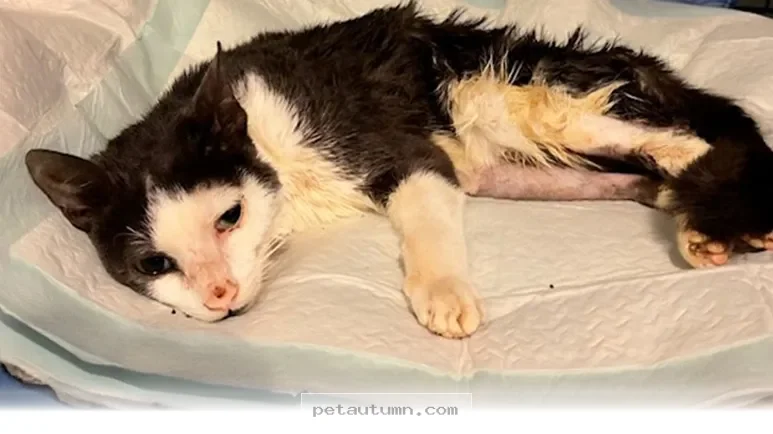
Firn was one such cat, discovered in a vulnerable state with a broken pelvis and nowhere else to turn. His story serves as a beautiful reminder of how much a little compassion can change a life.
Key Takeaways
- Recognizing the signs of trauma in stray cats is the first step toward saving them.
- Professional veterinary assessment is non-negotiable for cats suffering from physical injuries.
- Patience during the recovery process allows a fearful cat to regain their trust in humans.
- Providing a safe, quiet environment is essential for physical and emotional healing.
Understanding Feline Trauma and Recovery
When you encounter an injured animal, it is normal to feel overwhelmed or unsure of what to do next. Taking a deep breath and focusing on the immediate needs of the cat is the best way to ensure their safety.
You should always approach an injured cat with extreme caution, as pain often causes even the friendliest animals to lash out. If the cat is mobile, try to gently coax them into a carrier using soft vocal cues and perhaps a bit of smelly wet food.
Common Signs of Injury in Strays
- Limping or an inability to put weight on a limb.
- Heavy, labored, or noisy breathing patterns.
- Obvious wounds, bleeding, or matted fur covering a sore.
- Withdrawn behavior or hiding in dark, secluded spots.
- Refusal to eat or drink for an extended period.
If you suspect a spinal or pelvic injury, such as what Firn experienced, minimize movement as much as possible. Keep the cat in a secure, stable carrier to prevent further damage to their bones or internal organs during transport.
The Journey to Healing
Once you arrive at a clinic, the veterinary team will assess the extent of the trauma. Managing pain is typically the first priority to ensure the cat can rest and stabilize before any necessary surgical interventions.
According to the ASPCA, early intervention for trauma cases significantly improves the long-term prognosis for stray cats. Firn’s case required careful surgery, but he proved that with time, the body can knit itself back together.
Essential Recovery Supplies
- A sturdy, escape-proof cat carrier.
- Soft, absorbent bedding that can be easily washed.
- A shallow litter box that is easy to enter without straining.
- High-quality, calorie-dense wet food to encourage appetite.
- A quiet, low-traffic room to minimize stress during the healing phase.
Comparing Care Approaches
Depending on the severity of the injury, your veterinarian might suggest different recovery paths. It is important to weigh these options carefully based on the cat’s individual medical needs.
| Approach | Benefit | Consideration |
|---|---|---|
| Crate Rest | Prevents further injury | Requires limited mobility |
| Surgical Repair | Corrects alignment | Involves recovery time |
| Pain Management | Improves quality of life | Requires strict dosing |
Following the initial treatment, the physical therapy phase is crucial for regaining strength. You might find that your new feline friend needs a bit of extra encouragement to start moving around again.
The information on petautumn.com is for general informational purposes only and does not constitute veterinary advice. Pet health needs vary by breed, age, and individual condition. Always consult a licensed veterinarian before making decisions about your pet’s health, diet, or medical treatment. Pet Autumn is not affiliated with any veterinary organization, pet food manufacturer, or breeder.
Watching a cat like Firn transform from a frightened, injured stray into a playful companion is truly rewarding. It takes a village to support these animals, but your dedication makes the world of difference.
If you find yourself in a situation where you can help, remember that your actions are the first step toward their new beginning. Reach out to local rescues or PetMD for additional resources on caring for rescued cats.

Dog care writer at petautumn.com. Visual Communication Design graduate (S.Ds) from Universitas Udayana. Covers dog breeds, behavior, training, and gear reviews. Dog dad to Meepo. Based in Austin, Texas.