Written by Kadek Darma
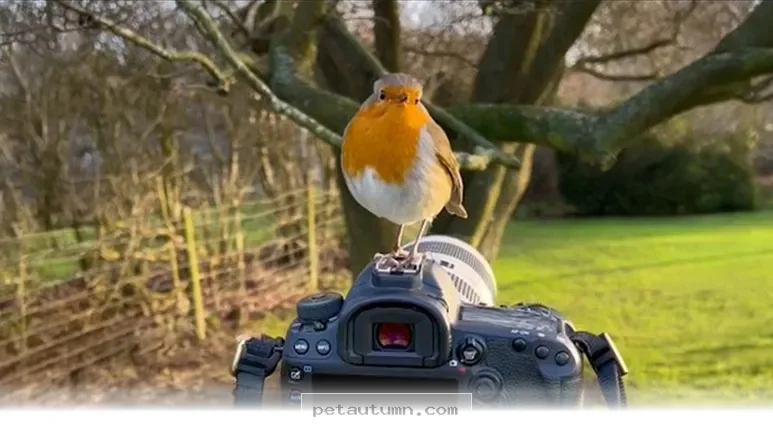
Sometimes, the most profound connections in our lives arrive on wings rather than paws. A wild robin once walked into a man’s life during his darkest hour, offering a silent, feathered hand of friendship that changed everything.
This isn’t just a story about a bird; it is a testament to the healing power of nature. When you are feeling isolated, the simple, consistent presence of a creature who expects nothing but kindness can be truly transformative.
Key Takeaways
- Wild animals can provide genuine emotional support during difficult life transitions.
- Consistency and patience are the foundations of building trust with wild birds.
- Observing natural behavior helps deepen your appreciation for local wildlife.
- Small, everyday interactions often leave the most lasting impacts on our mental well-being.
The Unexpected Bond
You might wonder how a wild creature could possibly become a companion. It starts with the recognition of a shared space and a slow, steady demonstration of safety.
When this robin first appeared, he was just another visitor in the backyard. Over time, his behavior shifted from cautious observation to comfortable presence, creating a daily routine that anchored the man’s life.
1. Establishing Trust
Building a relationship with a wild bird requires you to be completely still and predictable. Start by sitting quietly in your garden or on your porch for short periods each day.
Avoid making sudden movements or loud noises that might startle your feathered visitor. Eventually, the bird will learn that your presence poses no threat, allowing for closer observations.
2. The Role of Routine
Wild birds thrive on predictability, just like many of our domestic pets. If you provide a reliable food source or a clean birdbath at the same time daily

Dog care writer at petautumn.com. Visual Communication Design graduate (S.Ds) from Universitas Udayana. Covers dog breeds, behavior, training, and gear reviews. Dog dad to Meepo. Based in Austin, Texas.