Written by Ayu Pratiwi
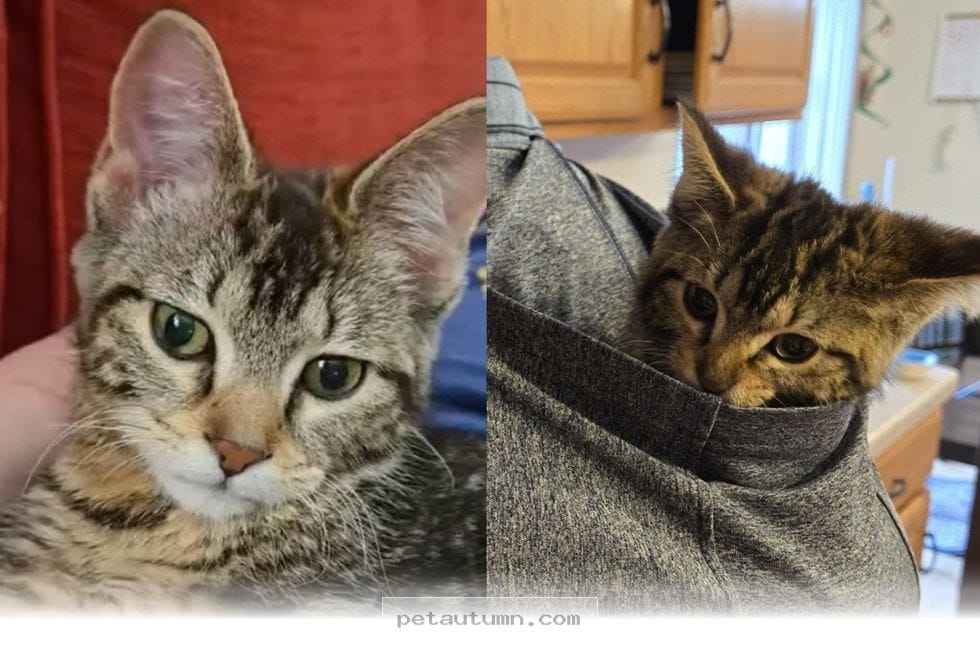
Imagine opening your front door to find a tiny, fragile creature who struggles to take even a single step. That was the reality for one foster parent who recently welcomed a wobbly little kitten into her home.
This kitten arrived with a spirit that far outweighed her physical limitations. Despite being unable to stand on her own, she refused to let her condition dampen her curious soul.
Key Takeaways
- Resilient kittens often overcome physical hurdles with love and patience.
- Early intervention and a supportive environment help wobbly kittens thrive.
- Physical limitations do not define a kitten’s capacity for joy or play.
- Proper foster care provides the stability these kittens need to build muscle.
Understanding Wobbly Kitten Syndrome
"Wobbly kitten syndrome" is a common term used to describe cerebellar hypoplasia, a condition where the part of the brain that controls coordination does not fully develop. While it might look concerning, it is not painful for the cat.
These kittens often display unique movements that make them look like they are dancing through life. They might tip over frequently or have trouble gauging distances when they jump.
Common Signs of Cerebellar Hypoplasia
If you are observing a kitten that seems a bit uncoordinated, keep an eye out for these specific behaviors. Recognizing these traits can help you provide a safer home environment.
- Frequent swaying or head bobbing.
- Inability to stand still without losing balance.
- "High-stepping" walk that looks exaggerated.
- Occasional tumbles when trying to play or run.
- Difficulty judging distance during leaps.
Comparing Mobility Challenges
| Condition | Primary Symptom | Management Strategy |
|---|---|---|
| Cerebellar Hypoplasia | Mild to severe wobbling | Soft flooring and patience |
| Nutritional Deficiency | Muscle weakness | Veterinary-guided diet |
| Inner Ear Infection | Loss of balance | Medical treatment |
The following section explains how to prepare your home for a kitten that requires a little extra support.
Creating a Safe Space for Your Kitten
Providing a secure environment is the most important thing you can do for a wobbly friend. You want to minimize the risk of falls while encouraging them to move around.
1. Simplify the Layout
Start by keeping your kitten in a smaller, carpeted room to prevent long falls. Carpet provides better traction than hardwood floors, making it easier for them to grip and stabilize themselves.
2. Utilize Soft Padding
Place soft blankets or foam mats around their favorite resting spots. If they happen to tumble while playing, these surfaces ensure they land safely without getting hurt.
3. Lower Your Furniture
Avoid high cat trees or elevated perches until your kitten shows better control. Instead, provide low-profile beds and toys that sit directly on the floor where they can reach them easily.
4. Assist with Feeding
Some wobbly kittens find it easier to eat from a wide, shallow dish. Raising the bowl slightly can also help them maintain their balance while they enjoy their meals.
5. Monitor Their Progress
Keep a journal of your kitten’s mobility milestones to share with your veterinarian. This data helps you track whether your support methods are working effectively.
Understanding these needs is vital, so always refer to expert resources like the ASPCA for further information on special needs pet care.
Fostering Resilience and Joy
Watching a kitten learn to navigate the world is an incredibly rewarding experience for any foster parent. You will notice that their drive to play remains just as strong as any other kitten’s.
They might not move in a straight line, but they certainly know how to chase a feather toy. Providing plenty of encouragement helps them build the confidence needed to tackle new challenges.
The information on petautumn.com is for general informational purposes only and does not constitute veterinary advice. Pet health needs vary by breed, age, and individual condition. Always consult a licensed veterinarian before making decisions about your pet’s health, diet, or medical treatment. Pet Autumn is not affiliated with any veterinary organization, pet food manufacturer, or breeder.
Welcoming a wobbly kitten into your home is a lesson in unconditional love and persistence. These brave little souls teach us that limitations are simply opportunities to find a different way to move forward.
By providing a safe, patient, and loving environment, you give these kittens the best possible chance to flourish. Your dedication ensures they can lead happy, fulfilling lives regardless of their initial struggles.

Cat care writer at petautumn.com. English Literature graduate (S.S) from Universitas Udayana. Covers cat breeds, behavior, nutrition, grooming, and health. Cat mom to Luna and Lina. Based in Austin, Texas.