Written by Kadek Darma
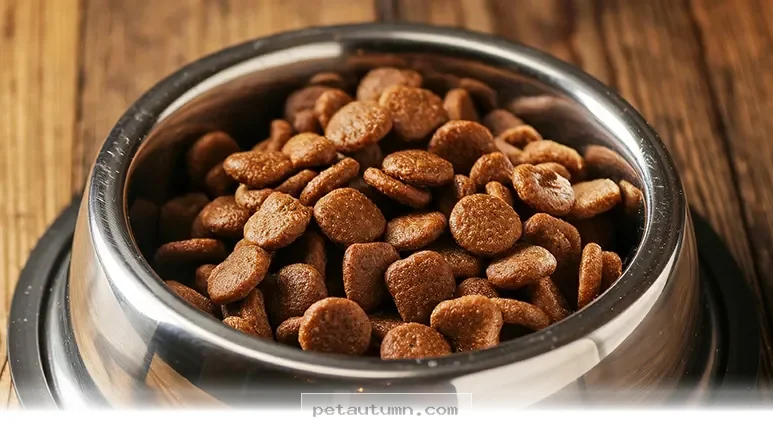
Many pet owners are surprised to learn that their dog’s ancestral diet contained only minimal amounts of fiber, usually hovering around four percent. In contrast, many modern, processed kibbles are packed with high volumes of inexpensive, unnecessary plant fillers that your dog’s body was never designed to process efficiently.
While your canine companion does not have a biological requirement for massive amounts of fiber, she still needs a carefully balanced amount to thrive. Striking the right balance is the key to maintaining a healthy microbiome and ensuring her digestive system functions exactly as nature intended.
Key Takeaways
- Dogs need minimal fiber; excessive plant fillers in kibble can actually harm their digestive health.
- The right type of fiber helps regulate transit time, benefiting both diarrhea and constipation.
- Healthy fiber sources include green leafy vegetables, psyllium husk, and steamed pumpkin.
- Always monitor your dog’s stools to gauge whether their current diet is meeting their specific needs.
Why Your Dog Needs Fiber
Although fiber is technically indigestible, it plays a vital role in your dog’s overall wellness by supporting gut health and diversity. It acts as a regulator for the gastrointestinal tract, ensuring that food moves through the system at a healthy, consistent pace.
By increasing bulk and water in the intestinal contents, fiber helps manage transit times effectively. This means that whether your pup is dealing with occasional sluggishness or loose stools, the right addition of fiber can help restore balance.
Understanding Fiber Types
Fiber generally falls into two categories: soluble and insoluble, both of which serve different purposes. Soluble fiber dissolves in water and is often more fermentable, helping to support a healthy gut microbiome by nourishing friendly bacteria.
Insoluble fiber, on the other hand, acts like a broom to sweep food through the digestive tract. Understanding the difference helps you make better choices when supplementing your dog’s meals.
Common Fiber Sources
- Green Leafy Vegetables: These provide natural, low-glycemic fiber that is gentle on the stomach.
- Psyllium Husk Powder: An excellent source of soluble fiber that can add necessary bulk to stools.
- Coconut or Acacia Fiber: These are generally well-tolerated and support healthy digestion.
- 100% Canned or Steamed Pumpkin: A favorite for many owners, this is great for managing minor digestive upsets.
- Slippery Elm Bark: This can be a helpful addition if your dog frequently produces narrow or loose stools.
| Fiber Type | Primary Benefit | Status |
|---|---|---|
| Steamed Pumpkin | Supports stool consistency | Safe |
| Green Vegetables | Provides micronutrients and bulk | Safe |
| Grain Hulls | Low-cost filler | Caution |
| Powdered Cellulose | Minimal nutritional value | Warning |
Assessing Your Dog’s Diet
If you are feeding a high-quality, species-appropriate diet that includes low-glycemic vegetables, you might already be hitting that "Goldilocks" zone. You can gauge success by looking at your dog’s output; small, firm stools are usually a sign that the fiber levels are appropriate.
Conversely, if your dog is struggling with digestive issues, it may be time to examine the ingredient label of their current food. Many commercial brands use cheap fillers like peanut shells or tomato pomace, which offer little to no health benefit for your pet.
Signs of Digestive Imbalance
- Frequent loose stools or diarrhea
- Chronic constipation or straining
- Excessive gas or bloating
- Noticeable changes in stool volume or texture
Making Nutritional Adjustments
Before making drastic changes to your dog’s diet, consider consulting with a professional to ensure the transition is handled correctly. You can learn more about canine nutritional standards through resources like the American Kennel Club or the American Veterinary Medical Association.
Gradual changes are always better for your dog’s sensitive system. Start by adding small amounts of fiber-rich, dog-safe vegetables and monitor how your companion responds over the next several days.
The information on petautumn.com is for general informational purposes only and does not constitute veterinary advice. Pet health needs vary by breed, age, and individual condition. Always consult a licensed veterinarian before making decisions about your pet’s health, diet, or medical treatment. Pet Autumn is not affiliated with any veterinary organization, pet food manufacturer, or breeder.
Taking the time to understand what goes into your dog’s bowl is one of the most loving things you can do as a pet parent. By moving away from unnecessary fillers and focusing on high-quality fiber sources, you are helping your dog feel their best every single day.
Remember that every dog is an individual with unique needs. Stay observant, keep your vet in the loop, and enjoy the peace of mind that comes with knowing you are providing the best possible care for your furry friend.

Cat care writer at petautumn.com. English Literature graduate (S.S) from Universitas Udayana. Covers cat breeds, behavior, nutrition, grooming, and health. Cat mom to Luna and Lina. Based in Austin, Texas.