Written by Kadek Darma
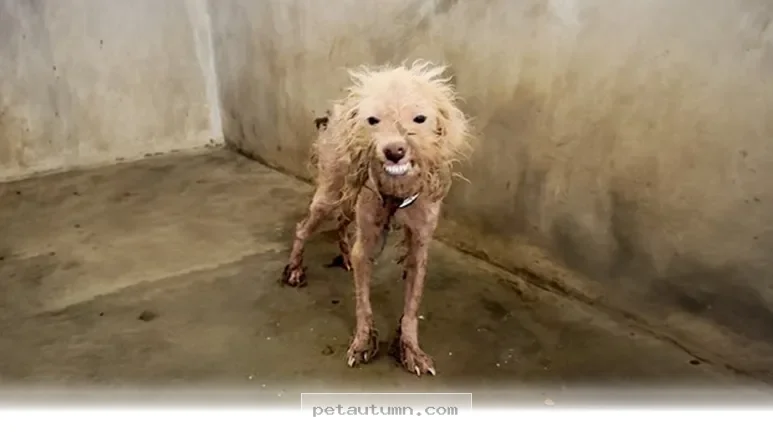
Walking through a quiet animal shelter, you might notice dogs that seem to be overlooked simply because they look different. Mort was one of those dogs, sitting patiently in his kennel with patchy, missing fur that left him appearing half-bald and vulnerable.
Many people walked right past him, but his story serves as a beautiful reminder that a rough exterior often hides a resilient spirit. With the right environment and consistent care, even the most neglected pups can blossom into the most joyful companions you could ever hope to meet.
Key Takeaways
- Patchy fur loss in shelter dogs is often linked to stress, poor nutrition, or treatable skin conditions.
- A supportive, low-stress environment is the first step toward helping a dog regain their physical and mental health.
- Professional veterinary evaluation is essential to rule out underlying medical issues like allergies or parasites.
- Patience is your greatest tool; physical healing takes time, but emotional recovery can be just as important.
- Consistent, high-quality nutrition helps restore a healthy coat once medical issues are addressed.
Understanding Canine Hair Loss
When you encounter a dog with significant hair loss, it is natural to feel concerned about their well-being. Hair loss, or alopecia, can stem from various sources, and recognizing the signs early can help you provide the best possible support for your furry friend.
According to the American Kennel Club, hair loss in dogs can be caused by environmental factors, hormonal imbalances, or external parasites. Understanding these potential triggers is the first step toward helping your pet feel comfortable in their own skin again.
Common Symptoms to Watch For
- Visible bald spots or thinning patches along the back, legs, or belly.
- Excessive scratching, biting, or licking at specific areas of the body.
- Red, inflamed, or irritated skin underneath the thin hair.
- Changes in skin texture, such as dryness, flakiness, or thickening.
- A dull, brittle coat that sheds more than usual.
Assessing Potential Causes
It is vital to recognize that not all hair loss is the same. Some dogs experience shedding due to seasonal changes, while others may be dealing with more complex health challenges that require a professional approach.
| Potential Cause | Common Indicators |
|---|---|
| Nutritional Deficiencies | Dull coat and slow hair regrowth despite medical care. |
| Environmental Allergies | Itchy skin and localized redness after exposure to pollen or dust. |
| Parasitic Infections | Patches of hair loss accompanied by extreme scratching or sores. |
| Stress-Induced Alopecia | Compulsive licking or chewing due to anxiety or shelter trauma. |
Steps to Help Your Dog Recover
- Consult your veterinarian to obtain an accurate diagnosis and rule out contagious conditions.
- Provide a balanced, high-quality diet to support skin and coat health from the inside out.
- Establish a calm, predictable daily routine to lower your dog’s stress levels and anxiety.
- Keep the living area clean and allergen-free to reduce irritation to sensitive skin.
- Use gentle grooming tools to stimulate circulation without damaging the delicate skin surface.
Creating a Healing Environment
Helping a dog like Mort recover is a journey that requires both time and empathy. You must create a space where your pet feels safe enough to let their guard down and start the healing process.
Confidence often returns when a dog realizes they are no longer in danger. As they settle into a loving home, you will notice their posture change, their tail start to wag, and eventually, that beautiful, healthy coat begin to grow back.
Essential Supplies for Recovery
- Hypoallergenic shampoo recommended by your veterinarian for sensitive skin.
- A soft, orthopedic bed to provide comfort for sore or irritated areas.
- High-quality Omega-3 fatty acid supplements to support skin barrier health.
- Puzzle toys to keep their mind occupied and reduce stress-related behaviors.
- A designated "safe zone" in your home where your dog can retreat to rest.
Nurturing Resilience
Seeing a dog transform from a timid, half-bald shelter resident into a vibrant family member is an incredibly rewarding experience. Your dedication provides them with the security they need to flourish and reveal their true personality.
Every dog deserves the chance to feel healthy and happy. By offering patience and proper care, you are giving them the greatest gift of all: a new beginning.
The information on petautumn.com is for general informational purposes only and does not constitute veterinary advice. Pet health needs vary by breed, age, and individual condition. Always consult a licensed veterinarian before making decisions about your pet’s health, diet, or medical treatment. Pet Autumn is not affiliated with any veterinary organization, pet food manufacturer, or breeder.
Always keep a close eye on your pet’s progress during their recovery journey. Small, positive changes in their coat and behavior are great signs that you are on the right track.
Enjoy the process of bonding with your companion as they regain their strength. With your support, they will soon be thriving and showing you exactly how much they appreciate your love.
Cat care writer at petautumn.com. English Literature graduate (S.S) from Universitas Udayana. Covers cat breeds, behavior, nutrition, grooming, and health. Cat mom to Luna and Lina. Based in Austin, Texas.