Written by Kadek Darma
Nature has a funny way of surprising us, especially when it comes to the aging process. While we often think of longevity in terms of human years, there are creatures roaming our oceans and forests that make our lifespans look like a mere blink of an eye.
You might be fascinated to learn that some of these animals seem to defy the biological clock entirely. By studying how they stay healthy for centuries, scientists hope to unlock secrets that could one day improve human health and wellness.
Key Takeaways
- Some marine species, such as the ocean quahog, can live for over 500 years by protecting their internal proteins from damage.
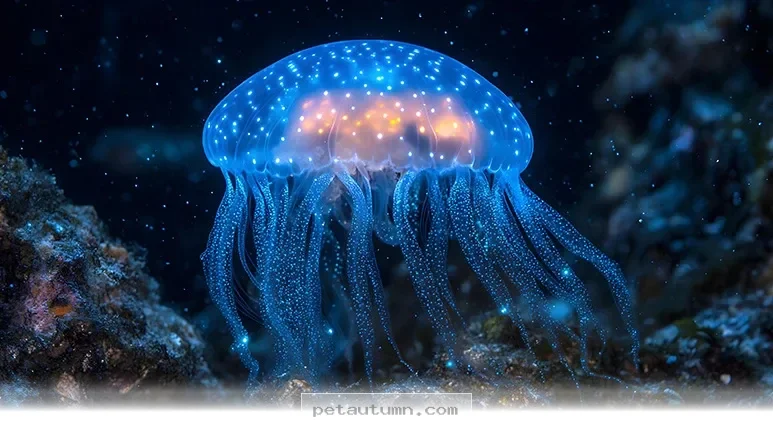
- The immortal jellyfish survives by reversing its aging process, essentially hitting the reset button on its life cycle.
- Large animals like elephants remain remarkably cancer-free due to unique genetic mechanisms that destroy mutated cells.
- Many long-lived species utilize slow metabolisms or advanced tissue regeneration to avoid the typical wear and tear of aging.
The Secrets of Nature’s Longest-Living Species
It is truly humbling to look at the natural world and see how some species have mastered the art of survival. Whether it is through DNA repair or an incredibly slow metabolism, these animals provide a blueprint for understanding longevity.
1. The Immortal Jellyfish
The jellyfish is perhaps the most famous example of nature’s "immortality." Instead of facing a natural decline, this creature can actually age in reverse. It transforms its own cells, allowing it to return to an earlier stage of development and start life over again.
2. The Ocean Quahog
This marine bivalve is a true champion of longevity, often reaching ages of 500 years or more. Scientists believe their secret lies in their ability to shield proteins from environmental damage. If we could replicate this protective mechanism, it might offer hope for addressing age-related cognitive decline in humans.
3. The Bowhead Whale
As one of the longest-living mammals on the planet, the bowhead whale can survive for over two centuries. Research into their genome has revealed specialized genes dedicated to DNA repair and cancer resistance.
4. The Giant Tortoise
With a heart rate that beats at less than half the speed of a human’s, the giant tortoise is a master of the slow life. Their deliberate pace and low metabolism allow them to live well past 100 years.
5. Red Sea Urchins
These spiky ocean dwellers show virtually no biological signs of aging even after a century. They appear to have mastered the ability to regenerate tissue without the typical shortening of telomeres seen in other species.
| Species | Estimated Lifespan | Primary Longevity Trait |
|---|---|---|
| Ocean Quahog | 500+ Years | Protein protection |
| Bowhead Whale | 200+ Years | Advanced DNA repair |
| Red Sea Urchin | 100+ Years | Tissue regeneration |
| Giant Tortoise | 100+ Years | Slow metabolism |
| Elephant | 60-70 Years | Cancer-resistant genetics |
Why Longevity Research Matters to You
You might wonder why we spend so much time studying the biology of a bat or a clam. The answer is simple: these animals have already solved problems that human medicine is still trying to decode.
By looking at species that live disease-free lives, researchers can identify specific mutations and biological pathways. This information helps us better understand how to support health as we age.
Common Traits of Long-Lived Animals
- High efficiency in repairing damaged DNA strands.
- Enhanced ability to prevent the formation of malignant tumors.
- Robust protein stability that prevents cellular dysfunction.
- Slower biological clocks that reduce oxidative stress on organs.
The information on petautumn.com is for general informational purposes only and does not constitute veterinary advice. Pet health needs vary by breed, age, and individual condition. Always consult a licensed veterinarian before making decisions about your pet’s health, diet, or medical treatment. Pet Autumn is not affiliated with any veterinary organization, pet food manufacturer, or breeder.
Learning about these extraordinary creatures reminds us that there is still so much to discover about the world around us. Even if we cannot live for five centuries like the ocean quahog, we can certainly appreciate the incredible resilience of life.
The next time you are out in nature, take a moment to look closely at the life around you. You never know what kind of biological marvel you might be walking right past.

Cat care writer at petautumn.com. English Literature graduate (S.S) from Universitas Udayana. Covers cat breeds, behavior, nutrition, grooming, and health. Cat mom to Luna and Lina. Based in Austin, Texas.