Written by Ayu Pratiwi
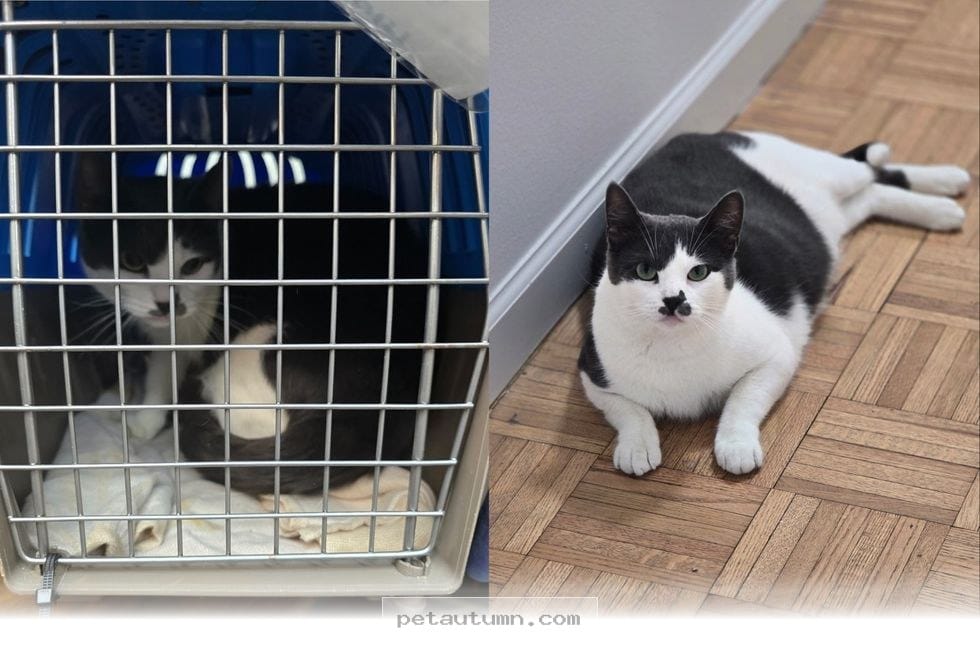
Losing a person is the hardest thing a cat can ever go through. When a beloved owner passes away or can no longer provide care, many cats find themselves in a shelter environment that feels loud, cold, and utterly confusing.
You might have seen a cat in this situation before. They often retreat to the back of their kennel, tuck their tail, and stop making a sound as they try to process their grief in silence.
Key Takeaways
- Grieving cats often exhibit withdrawal and vocal changes in shelter settings.
- Foster homes provide the safety required for a cat to decompress and heal.
- Patience is the primary ingredient when helping a senior or displaced cat.
- Building trust happens on the cat’s timeline, not the human’s schedule.
- Routine and stability are essential for cats transitioning from loss to a new home.
Understanding Feline Grief and Shelter Stress
It is natural to assume that a cat is simply being shy when they go quiet. However, experts at Cornell Feline Health Center note that behavioral shifts in cats are often deep reactions to environmental trauma.
When a cat loses their lifelong companion, they lose their sense of security. The shelter environment is a sensory overload that often causes these already heartbroken animals to shut down completely.
Common Symptoms of Shelter Stress
- Hiding for extended periods under bedding or furniture.
- Refusal to eat or significant decrease in appetite.
- Lack of grooming leading to a matted or unkempt coat.
- A sudden transition from vocalizing to complete silence.
- Dilated pupils or stiff, frozen body language.
Moving a cat from a concrete kennel to a quiet foster bedroom is a transformation. You can see the light return to their eyes as they realize they are safe from the noise.
The Journey to Becoming a Shadow
Once a cat finds a foster home, they usually start a process of "de-shelling." This means they slowly shed the layers of fear they built up to survive the shelter.
You will notice small changes first. Perhaps they finally eat a full meal, or maybe they blink slowly at you from across the room.
Stages of Trust Building
- The Decompression Phase: Provide a small, quiet space where the cat can hide without being disturbed.
- Observation: Let the cat watch you from their safe zone while you read or work quietly.
- Positive Association: Offer treats or gentle play sessions to create good memories in your presence.
- The First Approach: Allow the cat to initiate contact by sniffing your hand or rubbing against your leg.
- Becoming a Shadow: Enjoy the bond as your cat begins following you from room to room.
Transitioning a cat requires a delicate balance of space and interaction.
Comparing Shelter Life and Foster Care
Understanding the environment is vital to helping your cat adjust. The following table highlights why foster care is such a massive improvement for a grieving animal.
| Environment Factor | Shelter Impact | Foster Home Impact |
|---|---|---|
| Noise Levels | High (Constant stress) | Low (Calm environment) |
| Human Attention | Limited (Staff/Volunteers) | Consistent (Family bond) |
| Routine | Unpredictable | Stable and predictable |
Essential Supplies for Your Foster Cat
You do not need fancy gadgets to help a grieving cat feel at home. Focus on items that provide comfort and a sense of ownership over their new territory.
- Soft, washable blankets that hold scent well.
- Vertical space like cat trees or sturdy shelves for observing.
- Interactive toys to encourage play and confidence building.
- High-quality wet food to entice a picky eater.
- Feliway or other pheromone diffusers to calm the environment.
Before you bring your new companion home, clear a small area for them to settle. Having a dedicated space prevents them from feeling overwhelmed by the entire house at once.
Creating a Healing Atmosphere
Creating a sense of safety is the best gift you can give a displaced cat. You might find that playing soft classical music helps mask the sudden sounds of your home.
Keep your movements slow and deliberate when you are around the cat. If you rush the process, you might accidentally set them back by triggering their flight response.
Tips for Success
- Keep it consistent: Feed them at the same time every single day.
- Respect their boundaries: Never force a cat to be held if they try to pull away.
- Talk softly: Your voice is a tool to show them that you are not a threat.
- Scent swapping: Use a blanket they slept on to introduce them to other rooms.
- Be patient: Some cats take days to warm up, while others need months.
The transformation from a scared, silent cat to a loving shadow is truly one of the most rewarding experiences. You are essentially helping them learn how to love again.
The information on petautumn.com is for general informational purposes only and does not constitute veterinary advice. Pet health needs vary by breed, age, and individual condition. Always consult a licensed veterinarian before making decisions about your pet’s health, diet, or medical treatment. Pet Autumn is not affiliated with any veterinary organization, pet food manufacturer, or breeder.
When your cat finally decides to curl up in your lap, you will know that the journey was worth it. They have chosen you as their new safe harbor.
Cherish these moments of quiet companionship. You have given a soul a second chance at happiness, and that is a beautiful thing.

Cat care writer at petautumn.com. English Literature graduate (S.S) from Universitas Udayana. Covers cat breeds, behavior, nutrition, grooming, and health. Cat mom to Luna and Lina. Based in Austin, Texas.