Last Updated: May 2, 2026
Nobody expects to open a treatment plan and see a five-figure number staring back at them. But if you’ve ever sat in a vet’s office while an oncologist explained chemotherapy options for your cat, you already know that feeling. It hits hard. And the worst part? Most cat owners have no idea what major treatment actually costs until they’re already in the middle of it.
The idea that cats are “low-maintenance pets” holds up fine for routine care. It falls apart completely the moment something serious happens. At petautumn.com, this is one of the questions we get asked most often from readers who are either mid-diagnosis or trying to get ahead of it financially. So here’s an honest, data-driven breakdown of the most expensive cat treatments in 2026, what the real numbers look like, and what you can actually do if the bill is bigger than your savings account.
Key Takeaways
- Cancer treatment combining surgery, chemo, and radiation is the most expensive condition a cat can face, with total costs reaching $15,000 or more.
- Kidney transplants are among the priciest individual procedures, though chronic kidney disease management is the more common long-term financial burden.
- A comprehensive pet insurance plan can cover 70 to 90 percent of major treatment costs, but only if the condition develops after enrollment.
- Urban cat owners often pay 30 to 50 percent more than rural owners for the same procedures.
- Knowing these numbers now is far better than learning them during a crisis.
Why Cat Vet Bills Can Climb Into the Thousands
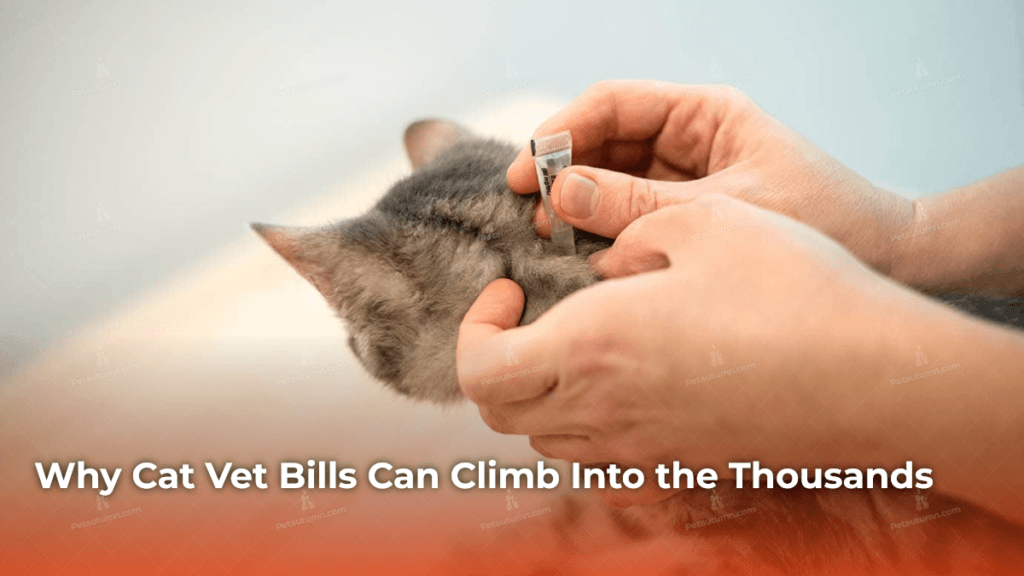
Most people assume cat care is cheaper than dog care. Smaller animal, smaller expense. That’s true for routine visits. It stops being true the moment something serious shows up on a scan.
The Difference Between Routine Care and Major Treatment
A standard wellness exam for a cat in 2026 runs between $53 and $124 depending on where you live. Vaccinations, microchipping, dental cleanings — those are predictable costs that most cat owners budget for without too much stress. Major medical treatment is a completely different situation.
We’re talking about conditions that require specialist referrals, imaging equipment, hospitalization, and months of ongoing care. The gap between “routine” and “major” isn’t a few hundred dollars. It’s often $2,000 to $15,000 or more, and it can arrive with almost no warning.
Why Urban Cat Owners Often Pay More
Location matters more than most people realize. According to CareCredit data, the average vet visit in Alabama costs around $61, while the same visit in Connecticut averages closer to $93. Scale that difference up to a surgical procedure or a full oncology workup, and the gap between a rural general practice and a specialty center in a major city can easily reach $3,000 to $5,000 for the exact same treatment.
If you’re in a major metro like New York, Los Angeles, or Seattle, factor in a geographic premium any time you’re budgeting for non-routine care.
The Most Expensive Cat Treatments Ranked by Cost in 2026
Here’s a straightforward look at what serious feline conditions actually cost. These are realistic 2026 ranges across the US, not worst-case outliers.
| Treatment / Condition | Estimated Cost Range (2026) | Ongoing or One-Time? |
|---|---|---|
| Cancer (surgery + chemo + radiation) | $3,000 – $15,000+ | Months of treatment |
| Kidney Transplant | $10,000 – $15,000+ | One-time + post-op care |
| Chronic Kidney Disease Management | $1,500 – $3,500/year | Lifelong |
| Heart Disease + Cardiac Surgery | $3,000 – $6,000 | Procedure + ongoing meds |
| Hyperthyroidism – Radioactive Iodine | $1,200 – $2,000 | One-time (cure rate 95%+) |
| Diabetes Management | $1,500 – $2,500/year | Lifelong |
| Emergency Vet Visit | $2,000 – $4,000 | One-time (varies by case) |
Figures based on 2026 US veterinary pricing data. Costs vary by location, specialist vs general practice, and individual case complexity.
Cancer Treatment — Surgery, Chemo, and Radiation
Feline cancer is the big one. It’s the condition most likely to result in a five-figure bill, and it’s more common than most people expect, especially in cats over the age of 10. Treatment approach is the main cost driver.
Surgery alone for tumor removal runs $500 to $3,000. Add chemotherapy and you’re looking at $2,000 to $8,000 over a full treatment course. Add radiation, which is the most expensive option, and the total can exceed $15,000. Many cats with feline lymphoma (the most common form of cat cancer) go through a combination of at least two of these approaches.
Kidney Transplant and Chronic Kidney Disease Management
Chronic kidney disease is extremely common in senior cats, and its costs are easy to underestimate because they build slowly over years. Annual management — prescription diets, medications, subcutaneous fluids at home, and quarterly bloodwork — typically runs $1,500 to $3,500 per year. A full kidney transplant, performed at select veterinary teaching hospitals across the US, costs $10,000 to $15,000 or more including pre-surgical workup and post-op monitoring.
Most cats with CKD never reach the transplant stage. But the ongoing management cost over a five-year lifespan can still top $15,000 in total.
Heart Disease and Cardiac Surgery
Feline heart disease often starts with an echocardiogram ($300 to $600) for diagnosis, then moves into long-term cardiac medications ($50 to $150 per month). In more serious cases, procedures like pacemaker implantation or heart valve surgery are necessary. Pacemaker surgery for cats runs $3,000 to $6,000. Not every veterinary clinic offers it, and not every cat is a surgical candidate.
Hyperthyroidism — Radioactive Iodine Therapy
Hyperthyroidism is one of the most common endocrine disorders in older cats, and it comes with four treatment options. Daily methimazole costs $20 to $50 per month but must continue for life. Radioactive iodine therapy (I-131) costs $1,200 to $2,000 as a one-time treatment and has a cure rate above 95 percent, according to data from the Cornell Feline Health Center. The catch is the required hospitalization of three to seven days while radiation levels drop to safe levels — which adds to both the cost and the logistics.
Run the numbers over five years. Daily medication for a cat that lives to 18 costs more than radioactive iodine. But the upfront price is what stops most people.
Diabetes — The Long-Term Cost Nobody Calculates
Diabetes tends to get framed as a manageable condition. And it is — if you actually calculate what “manageable” costs. Insulin runs $50 to $100 per month. Glucose monitoring supplies add $30 to $60 monthly. Regular monitoring exams happen every three to six months at $100 to $200 each. Over five years with a well-managed diabetic cat, you’re realistically looking at $5,000 to $10,000 in total diabetes-related expenses.
How Much Does Cat Cancer Treatment Really Cost?
Cancer deserves its own section because it’s both the most common major illness in older cats and the one most likely to produce a bill that genuinely surprises people.
The American Veterinary Medical Association estimates that nearly half of cats over the age of 10 will develop some form of cancer in their lifetime. Feline lymphoma alone accounts for a significant percentage of those diagnoses. So this is worth understanding in detail.
Chemotherapy Breakdown — Per Session vs Full Course
Each chemotherapy visit for a cat costs $150 to $600, depending on the drug protocol, administration method, and the clinic’s location. Most of what’s included in that per-session number: the chemo drug itself, administration, pre-treatment bloodwork, and anti-nausea medication. The good news is that most clinics bundle these, so you’re not getting hit with surprise line items on top of the session rate.
| Chemo Type | Cost Per Session | Full Course Estimate | Notes |
|---|---|---|---|
| Oral Chemotherapy | $150 – $300/dose | $1,500 – $4,000 | Home administration, lower clinic fees |
| IV Infusion | $300 – $600/session | $2,000 – $8,000 | Most common for lymphoma |
| CHOP Protocol (Lymphoma) | Varies per drug | $2,000 – $5,000 | 4-drug rotating schedule over weeks |
| Chemo + Radiation Combined | Varies | $8,000 – $15,000+ | For aggressive or recurring tumors |
Based on 2026 US veterinary oncology pricing. Individual costs vary by clinic, location, and cancer type.
Unlike human chemotherapy, feline chemo is designed with quality of life as the primary goal. Cats receive lower doses calibrated to minimize side effects. Most cats tolerate it well, with only occasional mild side effects at each session.
Radiation Therapy Costs in 2026
Radiation is typically reserved for solid tumors that are difficult to remove surgically, or tumors that have returned after surgery. A full radiation course (usually 15 to 20 sessions) runs $5,000 to $10,000 or more, and it’s only available at specialty referral centers with the right equipment. That means travel, scheduling, and sometimes multiple long drives per week.
Honestly, radiation is one of the harder cost conversations. It genuinely works well for certain cancer types. But the access barrier makes it harder to pursue than chemotherapy for a lot of cat owners, and that’s worth acknowledging.
Can Pet Insurance Actually Cover These Bills?
Short answer: yes, if you have the right plan and the condition develops after your policy starts. That second part matters enormously.
You can read a full breakdown of what plans actually work in our guide to the best pet insurance for cats in 2026, but here’s the quick version.
What Comprehensive Plans Typically Cover
A comprehensive accident and illness plan covers most major treatments: cancer surgery, chemotherapy, radiation, cardiac procedures, kidney disease management, and emergency care. Reimbursement rates of 80 to 90 percent after the deductible can bring a $10,000 bill down to $1,000 to $2,000 out of pocket. For context, comprehensive plans for cats in 2026 run approximately $25 to $65 per month depending on the cat’s age, breed, and your location.
What to Watch Out For in the Fine Print
Pre-existing conditions are not covered. If your cat was already diagnosed with kidney disease or a heart condition before enrollment, that condition is excluded from coverage permanently. Per-condition annual caps also matter: some plans cap a single illness at $5,000 or $8,000 per year, which may not be enough for a full cancer treatment course that runs $10,000 to $15,000.
Always verify that the plan explicitly covers oncology, specialist referrals, and hospitalization. Accident-only plans are significantly cheaper but won’t touch most of what’s listed in this article.
What to Do If You Can’t Afford a $10,000 Vet Bill
This is the section most cost guides skip over. Here’s what actually helps:
- Ask about a payment plan before assuming one doesn’t exist. Many clinics work with CareCredit or VetBilling, which let you spread costs over 6 to 24 months. Some offer in-house plans as well. Ask directly — it’s a more common option than most people realize.
- Veterinary teaching hospitals provide specialist-level care at reduced rates. These are real teaching hospitals affiliated with universities (like the Cornell University College of Veterinary Medicine), performing the same procedures as private referral centers, often at 30 to 50 percent lower cost.
- Breed-specific rescues and animal welfare organizations sometimes have emergency medical funds. These aren’t widely advertised, but they exist for owned pets facing genuine financial hardship.
- Palliative care is a valid and compassionate option. If curative treatment genuinely isn’t financially possible, talk openly with your vet about comfort-focused care. Most vets will help you navigate this without judgment. The goal shifts from cure to quality of life — and that matters too.
Ayu says this to every new cat owner she meets: getting pet insurance while your cat is healthy is always easier than needing it and not having it. Luna and Lina were both enrolled the month they came home from the Austin shelter in 2020. Neither has had a major health event yet (knock on wood), but knowing they’re covered takes one big layer of worry off the table entirely.
For a broader look at why skipping coverage is a gamble most cat owners regret, see the true cost of skipping pet insurance.
Disclaimer: The information on petautumn.com is for general informational purposes only and does not constitute veterinary advice. Pet health needs vary by breed, age, and individual condition. Always consult a licensed veterinarian before making decisions about your pet’s health, diet, or medical treatment. Pet Autumn is not affiliated with any veterinary organization, pet food manufacturer, or breeder. If you notice changes in your cat’s health or behavior, contact your vet right away.
The numbers in this article aren’t here to scare you. They’re here to give you an honest picture before you need it, because the worst moment to learn what cat cancer treatment costs is when you’re already sitting in the oncology waiting room.
The single most effective thing any cat owner can do today is check their insurance situation. If you have a comprehensive plan that includes specialist care and oncology, you’re in a good position. If you don’t, now is the time to look at what’s available, while your cat is still healthy and coverage is still accessible.
Your cat is counting on you. And you’re clearly the kind of owner who shows up. That’s already half the battle.
Sources
- Cornell University College of Veterinary Medicine — Cornell Feline Health Center
- American Veterinary Medical Association (AVMA)
- CareCredit — 2026 Vet Cost Data by State
Frequently Asked Questions
Have more questions about cat health and care? Visit Pet Autumn for more vet-checked guides.

Cat care writer at petautumn.com. English Literature graduate (S.S) from Universitas Udayana. Covers cat breeds, behavior, nutrition, grooming, and health. Cat mom to Luna and Lina. Based in Austin, Texas.