Written by Kadek Darma
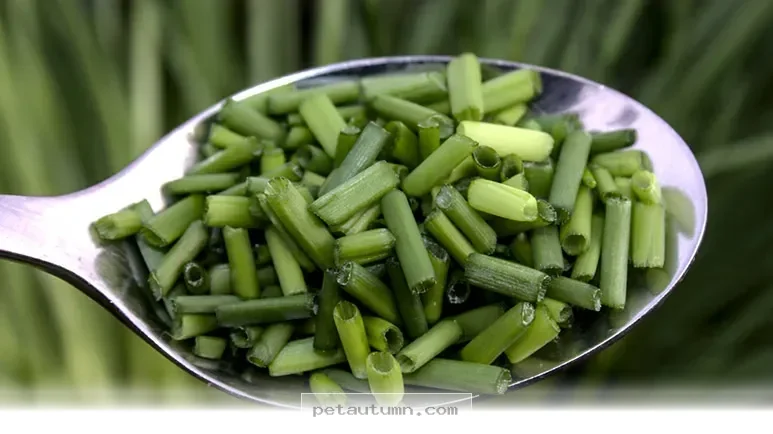
Chives are a staple in kitchens worldwide, adding a delicate, onion-like zing to everything from scrambled eggs to baked potatoes. While these vibrant green herbs elevate your favorite recipes, they belong on a strict "do not feed" list for your furry companions.
You might be surprised to learn that what makes a garnish delicious for humans can actually trigger serious health complications in pets. Understanding why this common herb is dangerous is a vital step in keeping your pet safe and healthy at home.
Key Takeaways
- Chives contain thiosulfates, which can damage a pet’s red blood cells and lead to severe anemia.
- Symptoms of toxicity are often delayed, meaning your pet could be struggling before you even notice a problem.
- Keeping alliums like chives, onions, and leeks stored securely in high cabinets or sealed containers is the best way to prevent accidental ingestion.
- If you suspect your pet has eaten chives, contact your veterinarian immediately for guidance rather than waiting for physical symptoms to appear.
Why Chives Are Dangerous for Pets
Chives, along with onions and leeks, belong to the Allium family of plants. These vegetables contain compounds that are processed differently by animals than by humans.
When a dog or cat consumes these plants, the thiosulfates within them can interfere with the essential enzymes in their blood. This chemical reaction can lead to a condition known as Heinz body anemia, which prevents your pet’s blood from effectively carrying oxygen throughout their body.
Signs of Chives Toxicity
It is important to keep a watchful eye on your pet if you suspect they have encountered this herb. Because the damage happens at a cellular level, you might not see immediate signs of distress.
Watch for these clinical signs of toxicity:
- Weakness or unusual lethargy
- Pale or yellowish (jaundiced) gums
- Difficulty breathing or rapid heart rate
- Gastrointestinal distress such as vomiting or diarrhea
- Lethargy or an inability to stand
How to Protect Your Pet
Prevention is always the most effective strategy for pet safety. If you enjoy cooking with fresh herbs, you must be intentional about how you store your ingredients.
- Secure your pantry: Always store onions, leeks, and chives in closed containers inside a pantry or high cabinet.
- Monitor indoor gardens: If you grow herbs on your windowsill, ensure they are placed in a location where your pet cannot jump or climb to reach them.
- Check your leftovers: Be cautious when sharing human food, as many savory dishes contain hidden chives or onion powder that could be harmful.
- Clean up scraps: During meal prep, clear away any fallen herb clippings from the floor immediately to prevent curious pets from snacking on them.
Comparing Allium Safety
Not all members of the allium family carry the same level of risk for your pets. The following table breaks down the common concerns associated with these plants.
| Vegetable | Risk Level | Notable Concern |
|---|---|---|
| Chives | High | Can cause Heinz body anemia |
| Onions | High | Highly toxic; affects red blood cells |
| Leeks | High | Contains similar toxic compounds |
| Garlic | Caution | Requires specific preparation and dosing |
Note: The table above is for educational purposes. Always prioritize your veterinarian’s guidance regarding your pet’s specific nutritional needs.
A Note on Garlic
You may have heard conflicting information regarding garlic. While it is part of the allium family, it contains lower concentrations of the compounds that make onions and chives so dangerous to pets.
According to the American Kennel Club, some pet owners choose to use fresh garlic under strict guidance. If you are considering any additions to your pet’s diet, always speak with your veterinarian first to ensure it is appropriate for their specific health profile and weight.
The information on petautumn.com is for general informational purposes only and does not constitute veterinary advice. Pet health needs vary by breed, age, and individual condition. Always consult a licensed veterinarian before making decisions about your pet’s health, diet, or medical treatment. Pet Autumn is not affiliated with any veterinary organization, pet food manufacturer, or breeder.
Creating a safe environment for your pet means being mindful of the small items that can pose big risks. By keeping chives and other alliums out of reach, you ensure your kitchen remains a place of joy rather than a source of danger.
If you ever feel uncertain about something your pet has ingested, never hesitate to reach out to your local animal hospital. A quick call can provide the peace of mind you need to keep your best friend happy and thriving for years to come.

Cat care writer at petautumn.com. English Literature graduate (S.S) from Universitas Udayana. Covers cat breeds, behavior, nutrition, grooming, and health. Cat mom to Luna and Lina. Based in Austin, Texas.