Written by Kadek Darma
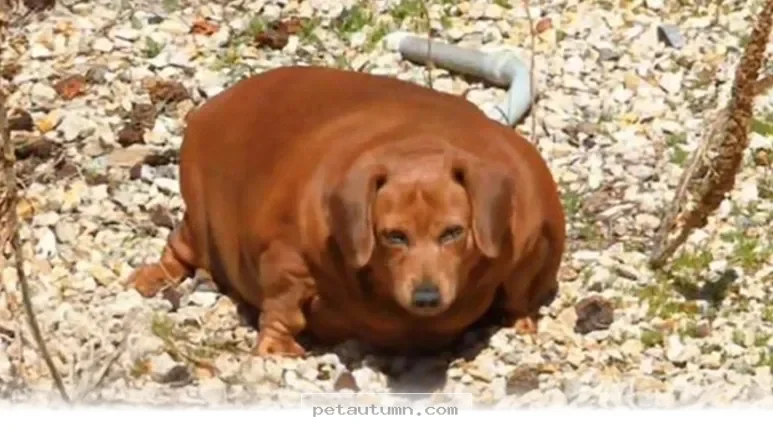
Seeing a dog reclaim their vitality after a long struggle is one of the most rewarding experiences a pet owner can have. When Daisy first came home, she weighed 55 pounds and struggled to take even a few simple steps without gasping for air.
Watching a transformation like hers reminds us that with patience, love, and consistent care, the bond we share with our dogs can literally change their life. Her journey from lethargy to an active, joyful pup is truly an incredible story of resilience.
Key Takeaways
- Consistent, vet-guided weight management is essential for long-term health.
- Small, daily lifestyle adjustments create the foundation for significant physical improvements.
- Mobility issues in dogs are often linked to excess weight, which strains their joints.
- Positive reinforcement and gentle exercise help build a dog’s confidence during recovery.
- Always partner with a professional to ensure your dog’s transformation is safe and effective.
The Reality of Canine Weight Management
Many owners do not realize how quickly a few extra pounds can impact their dog’s daily comfort. When a dog carries significant excess weight, their heart and lungs work overtime just to keep up with basic movement.
This constant strain often leads to a cycle where the dog becomes less active because they feel tired, which in turn leads to more weight gain. Recognizing these signs early is the first step toward helping your companion get back on track.
1. Identifying the Signs
If you are wondering if your dog might be struggling with their weight, keep a close eye on their behavior. Look for these common indicators that your pet may need a change in routine:
- Difficulty jumping onto furniture or into your car.
- Heavy panting after very short walks or mild activity.
- Increased lethargy or a lack of interest in favorite toys.
- Difficulty feeling their ribs under a normal layer of fur.
- A noticeable change in gait or stiffness after resting.
2. Steps for a Healthy Transformation
Helping your dog reach a healthier weight is a journey that requires a steady, calm approach. You should never rush the process, as rapid weight loss can be just as dangerous as being overweight.
- Schedule a thorough physical exam with your veterinarian to rule out underlying health issues.
- Work with your vet to calculate an appropriate daily caloric intake for your dog’s specific breed and age.
- Replace high-calorie processed treats with healthy alternatives like fresh green beans or carrot sticks.
- Implement short, frequent play sessions rather than one long, exhausting walk to build endurance safely.
- Monitor your dog’s progress weekly to ensure they are losing weight at a healthy, sustainable pace.
| Approach | Impact | Status |
|---|---|---|
| Controlled Portion Sizes | Steady weight loss | Recommended |
| Sudden Exercise Spikes | Risk of joint injury | Caution |
| Occasional Table Scraps | Unpredictable calories | Caution |
| Crash Dieting | Nutrient deficiency | Warning |
Supporting Your Dog Through Change
Consistency is your best friend when you are helping a pet improve their health. Your dog looks to you for structure, so keeping feeding times and activity periods predictable helps reduce their anxiety.
If you are looking for more resources on canine health, the American Kennel Club offers great guides on exercise needs by breed. You can also visit PetMD for detailed information on how to monitor your dog’s body condition score.
Essential Supplies for Success
Having the right tools can make the process much easier for both you and your furry friend. Consider keeping these items on hand:
- A high-quality digital kitchen scale to measure food portions precisely.
- A sturdy, comfortable harness that supports their body during walks.
- Low-calorie, healthy treat options for rewarding good behavior.
- A dedicated journal to track your dog’s progress and energy levels.
The information on petautumn.com is for general informational purposes only and does not constitute veterinary advice. Pet health needs vary by breed, age, and individual condition. Always consult a licensed veterinarian before making decisions about your pet’s health, diet, or medical treatment. Pet Autumn is not affiliated with any veterinary organization, pet food manufacturer, or breeder.
Watching Daisy thrive today is a testament to how much a dedicated owner can do for a pet in need. By focusing on small wins, you can help your dog reach their ideal weight and enjoy many more years of running, playing, and cuddling by your side.
Remember that every dog has their own pace, and the most important thing is the love and support you provide along the way. Stay patient, keep your vet in the loop, and celebrate the small milestones as your pup gains their life back.

Cat care writer at petautumn.com. English Literature graduate (S.S) from Universitas Udayana. Covers cat breeds, behavior, nutrition, grooming, and health. Cat mom to Luna and Lina. Based in Austin, Texas.