Written by Ayu Pratiwi
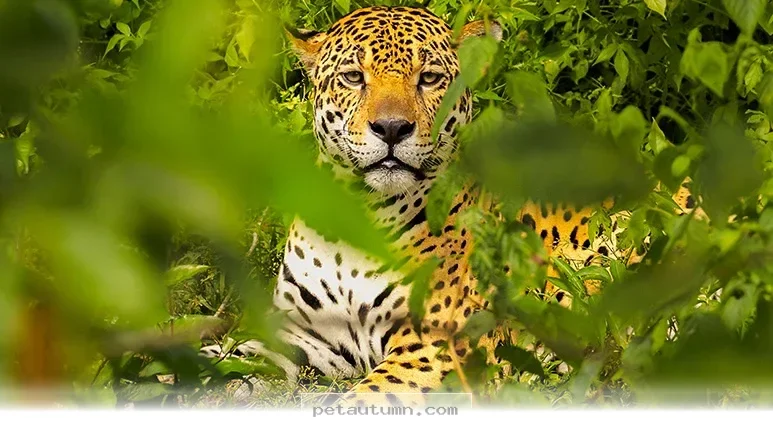
Deep in the rugged Santa Rita Mountains near Tucson, Arizona, a legendary ghost has finally emerged from the shadows. After years of meticulous searching, researchers have captured clear, high-definition footage of "El Jefe," the only known wild jaguar currently roaming the United States.
This incredible breakthrough required years of patience, advanced data collection, and the keen nose of a specially trained scat-detection dog. Seeing this magnificent cat on camera confirms that he has successfully established a home range just miles away from a major American city.
Key Takeaways
- El Jefe remains the only documented wild jaguar living within the borders of the United States.
- Jaguars once held a vast territory across the American Southwest before habitat loss and human expansion forced them out.
- Conservationists are currently fighting to protect vital wildlife corridors from industrial development that could block jaguar migration.
- These big cats are highly adaptable, known for their love of swimming and their status as apex predators.
- Protecting the connection between Arizona and Mexico is essential for the potential recovery of the species in North America.
A Legacy Lost and Found
For over 150 years, the American Southwest was largely a memory for these sleek, powerful predators. Once roaming freely from Southern California to the Grand Canyon, jaguars were pushed to the brink of local extinction due to habitat fragmentation and conflicts with livestock management.
Today, only about 15,000 jaguars remain in the wild globally, making every individual sighting a cause for celebration. Most experts believe the best hope for a natural return of the species lies in the small, resilient population living in the mountains of Sonora, Mexico.
Understanding the Jaguar’s Life
Jaguars are notoriously solitary, elusive creatures that demand vast amounts of space to thrive. A single male may patrol a home range spanning over 50 square miles, marking his territory through scent and physical signs like clawing trees.
Because these cats are so wide-ranging, they require connected landscapes to find mates and maintain genetic diversity. If these corridors are blocked by roads, fences, or industrial projects, the isolated individuals are effectively trapped.
Essential Needs for Jaguar Survival
- Protected Corridors: Safe pathways that link U.S. habitats with Mexican source populations.
- Prey Abundance: Access to natural food sources like peccaries, deer, and fish.
- Safety from Persecution: Legal and social protection to ensure they are not harmed by human interaction.
- Water Sources: Reliable access to streams or pools, as these cats are strong swimmers.
Environmental Challenges in Arizona
The presence of El Jefe has reignited a fierce debate regarding land use in the Santa Rita Mountains. Conservationists are currently opposing the proposed Rosemont Mine, arguing that the project would destroy a critical intersection of wildlife corridors.
If these paths are severed, the dream of a self-sustaining population of jaguars in the U.S. may never become a reality. Organizations like the Center for Biological Diversity continue to work toward securing federal protections for the land these animals call home.
Comparison of Habitat Impacts
| Factor | Protected Habitat | Industrial Development |
|---|---|---|
| Wildlife Movement | High (Open Corridors) | Low (Blocked Paths) |
| Prey Density | Stable/Natural | Displaced |
| Human Interaction | Minimal | Frequent/Risky |
| Species Survival Rate | High | Critical Threat |
The biological needs of a jaguar are actually quite modest when compared to the vast impact of human infrastructure. Experts from the U.S. Fish and Wildlife Service emphasize that these cats do not require specific vegetation, but rather a quiet, connected environment where they can hunt and rest without disturbance.
Fascinating Traits of the Jaguar
Unlike many domestic cats that shy away from a bath, jaguars are exceptional swimmers who actively seek out water. They have been known to use their tails as lures to attract fish, showcasing a level of intelligence and adaptability that sets them apart from other big cats.
They are also incredibly versatile hunters. While they prefer the forest floor, they are more than capable of climbing trees to pounce on prey from above, using their formidable jaw strength to deliver a decisive bite.
The information on petautumn.com is for general informational purposes only and does not constitute veterinary advice. Pet health needs vary by breed, age, and individual condition. Always consult a licensed veterinarian before making decisions about your pet’s health, diet, or medical treatment. Pet Autumn is not affiliated with any veterinary organization, pet food manufacturer, or breeder.
The story of El Jefe serves as a powerful reminder of how fragile our connection to the natural world truly is. By supporting protected lands and respecting the space needed by apex predators, we can ensure that these majestic cats continue to roam the wild for generations to come.
Whether you are a wildlife enthusiast or a pet owner, there is much to learn from the resilience of the jaguar. Protecting our natural environment remains the best way to safeguard the future of all animals, both wild and domestic.

Cat care writer at petautumn.com. English Literature graduate (S.S) from Universitas Udayana. Covers cat breeds, behavior, nutrition, grooming, and health. Cat mom to Luna and Lina. Based in Austin, Texas.