Written by Kadek Darma
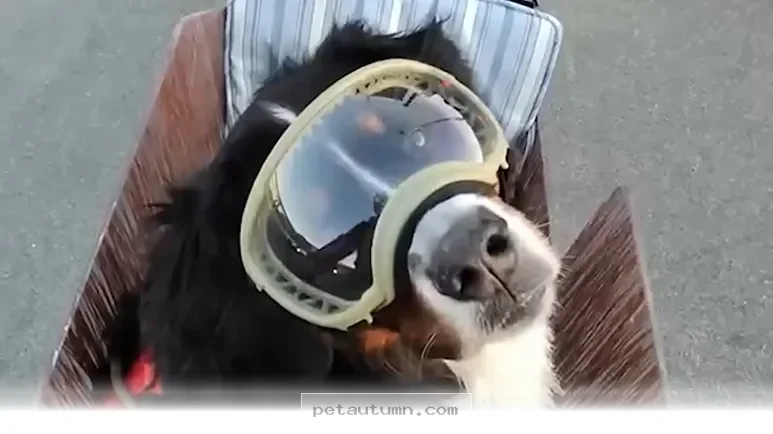
Have you ever looked at your dog and wondered if you could trade your daily grind for a life of pure adventure? For one dedicated dog owner named James, that thought turned into a major life change when he decided to sell his car to prioritize outdoor time with his beloved dog, Pickle.
This bold move wasn’t just about getting rid of a vehicle; it was about reclaiming time. Now, James and Pickle spend their days exploring trails and bike paths, proving that the best memories are often made when we simply choose to be present with our pets.
Key Takeaways
- Selling your car can shift your focus toward active, outdoor bonding with your pet.
- Bike-loving dogs often require specific training and safety gear for success.
- Always prioritize your pet’s comfort and confidence before starting any new activity.
- Building a routine strengthens the emotional connection between you and your canine companion.
Preparing Your Dog for Outdoor Adventures
If you are feeling inspired by this duo, you might be itching to hit the road with your own pup. However, before you swap your commute for a cycling journey, you need to ensure your dog is physically and mentally ready for the experience.
Training your pet for new environments is a gradual process that requires patience and consistency. Start by introducing your dog to the equipment in a quiet, controlled setting to ensure they feel safe and secure.
1. Master the Basics of Safety
Safety is your top priority whenever you bring your dog along for an outdoor excursion. Whether you are walking, hiking, or cycling, your gear must be reliable and properly fitted to avoid accidents.
- Proper Harness: A secure, well-fitted harness prevents neck strain and keeps your dog safely contained.
- Hydration Gear: Always carry a portable bowl and fresh water to keep your pet hydrated on the go.
- Visibility Tools: Use reflective gear or LED lights if you plan on being out during dawn or dusk.
- First Aid Kit: Keep a small kit handy that includes bandages, antiseptic wipes, and your vet’s contact information.
2. Gradual Desensitization
Dogs, much like people, can get nervous when faced with new sights, sounds, and movements. You should take your time to help them recognize that your bike or travel equipment is a positive, friendly companion.
Allow your dog to sniff the equipment while it is stationary. Offer treats and praise whenever they show calm behavior, reinforcing that this new addition to your life is nothing to fear.
3. Choosing the Right Adventure
Not every dog is built for long-distance cycling or strenuous hiking, so it is vital to recognize your pet’s limitations. Consider your dog’s age, breed, and current fitness level when choosing your activity intensity.
| Activity Level | Best For | Considerations |
|---|---|---|
| Light Walking | Senior dogs or small breeds | Keep routes flat and shaded. |
| Cycling (Basket) | Small, calm dogs | Must be secured in a basket. |
| Off-Road Running | High-energy, healthy adults | Watch for paw pad injuries. |
Transitioning to an outdoor lifestyle requires careful planning, but the rewards of a closer bond are worth the effort.
Understanding Your Dog’s Needs
Beyond the physical aspect, you must remain attuned to your dog’s behavior throughout your travels. Learning to recognize signs of stress or fatigue will help you keep the experience positive for everyone involved.
Look for these subtle signals that your dog might need a break or is feeling overwhelmed by the environment.
- Excessive Panting: This can be a sign of overheating or overexertion.
- Tucked Tail: A sign of anxiety or discomfort in new situations.
- Reluctance to Move: Your dog may be physically tired or simply overwhelmed.
- Excessive Lip Licking: This is often a sign of stress or nervousness.
If you observe these behaviors, find a quiet spot to rest or head home early. According to the American Kennel Club, observing your dog’s subtle cues is key to maintaining a happy, healthy relationship during exercise.
The information on petautumn.com is for general informational purposes only and does not constitute veterinary advice. Pet health needs vary by breed, age, and individual condition. Always consult a licensed veterinarian before making decisions about your pet’s health, diet, or medical treatment. Pet Autumn is not affiliated with any veterinary organization, pet food manufacturer, or breeder.
Choosing to spend more time with your dog is a beautiful commitment that transforms your daily routine into a shared journey. Whether you sell your car or simply dedicate your weekends to exploration, your dog will surely appreciate the extra attention and time spent by your side.
Start small, listen to your pet, and cherish the quiet moments on the trail. After all, the joy of companionship is the greatest adventure you can experience together.
Dog care writer at petautumn.com. Visual Communication Design graduate (S.Ds) from Universitas Udayana. Covers dog breeds, behavior, training, and gear reviews. Dog dad to Meepo. Based in Austin, Texas.