Written by Kadek Darma
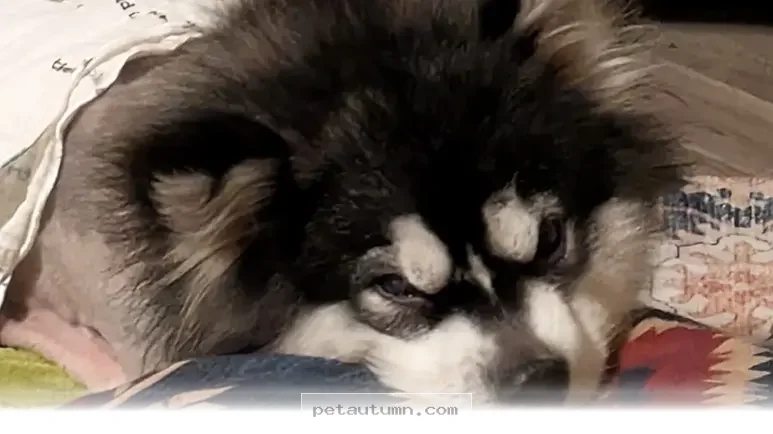
Rescuing a dog from a difficult past often reveals the most resilient spirits you could ever meet. Kronk is one such dog who, despite surviving the harsh realities of the dog meat trade, has blossomed into a beacon of pure joy and absolute happiness.
He arrived with a permanent head tilt and a noticeably crooked walk that tell a story of his survival. Rather than letting those physical challenges define him, he has embraced his new life with a wagging tail and a heart full of love.
Key Takeaways
- Special needs dogs often possess an incredible capacity for resilience and joy.
- Providing a safe, supportive environment allows rescued dogs to overcome past trauma.
- Routine and comfort are essential for helping pets with mobility differences feel secure.
- Mobility aids and physical therapy can significantly improve the quality of life for dogs with unique gaits.
- Choosing to adopt a special needs dog brings a unique, rewarding perspective to your life as a pet parent.
Understanding Mobility Challenges in Dogs
Watching your dog struggle with their balance can be a bit concerning for any pet owner. However, many dogs adapt to these physical quirks with surprising grace and minimal fuss.
It helps to remember that our canine companions focus on the present moment. They rarely dwell on their limitations, choosing instead to enjoy every sunny patch of grass they find.
1. Identifying Potential Causes
Many dogs, like Kronk, exhibit unique ways of moving due to neurological or physical trauma from their past. Understanding why your dog moves differently is the first step in providing the best possible care for them.
- Neurological conditions affecting the inner ear or brain.
- Previous musculoskeletal injuries that healed without perfect alignment.
- Congenital issues present from birth that affect muscle development.
- Vestibular disease causing persistent tilts or dizziness.
2. Creating a Supportive Home Environment
You can make a massive difference in your dog’s daily comfort by organizing your home to accommodate their needs. Simple adjustments prevent frustration and keep your pet feeling confident while moving around your living space.
- Use non-slip rugs on hardwood or tile floors to provide better traction.
- Install ramps instead of stairs if your dog struggles with elevation changes.
- Create cozy, low-profile resting spots with plenty of orthopedic support.
- Keep furniture arrangements consistent to help your dog navigate safely.
3. Essential Supplies for Special Needs Pets
Investing in the right gear ensures that your dog stays comfortable and safe during their daily activities. Having these items on hand can make a world of difference for a dog with a crooked walk.
| Item Type | Purpose | Recommendation |
|---|---|---|
| Orthopedic Bed | Joint relief | Memory foam |
| Traction Socks | Better grip | Rubberized grip |
| Mobility Harness | Gentle support | Padded chest |
| Ramp/Steps | Safer access | Lightweight/Folding |
Caring for a Unique Companion
When you welcome a dog with mobility differences into your home, you might notice that they require a little extra patience during training. It is worth noting that they often pick up cues quite quickly, provided you keep your instructions consistent and your tone encouraging.
If you are ever unsure about your dog’s movement, it is wise to consult the American Veterinary Medical Association for guidance on finding a qualified professional. Regular checkups help you monitor their comfort levels and ensure they remain pain-free as they age.
The Importance of Physical Therapy
Engaging in gentle, low-impact exercise can strengthen the muscles that support your dog’s gait. Many owners find that working with a professional can provide tailored routines that suit their specific pet’s needs.
- Hydrotherapy helps build muscle without putting weight on joints.
- Controlled, short walks maintain mobility while preventing fatigue.
- Targeted massage can release tension in muscles that overcompensate.
- Balance exercises help improve core strength and overall coordination.
Pros and Cons of Adopting Special Needs Dogs
Adopting a dog with a unique walk or physical difference is a deeply rewarding experience. While there are logistical considerations, the emotional connection you build is truly one of a kind.
| Factor | Pros | Potential Caution |
|---|---|---|
| Bonding | Deep, empathetic connection | Can be emotionally taxing |
| Activity | Encourages a slower pace | May limit high-intensity play |
| Perspective | Teaches resilience and patience | Requires extra time for care |
The information on petautumn.com is for general informational purposes only and does not constitute veterinary advice. Pet health needs vary by breed, age, and individual condition. Always consult a licensed veterinarian before making decisions about your pet’s health, diet, or medical treatment. Pet Autumn is not affiliated with any veterinary organization, pet food manufacturer, or breeder.
Kronk’s story serves as a beautiful reminder that our dogs define their own happiness. His crooked walk has not stopped him from living a life filled with beach days, soft pillows, and genuine affection.
By focusing on what they can do rather than what they cannot, you can provide a wonderful life for your pet. Your love and patience are truly the best tools you have to ensure your dog thrives every single day.

Cat care writer at petautumn.com. English Literature graduate (S.S) from Universitas Udayana. Covers cat breeds, behavior, nutrition, grooming, and health. Cat mom to Luna and Lina. Based in Austin, Texas.