Written by Kadek Darma
Losing a furry family member is every owner’s worst nightmare. You can take steps today to ensure that if your dog ever wanders off, the journey back to your arms is as short as possible.
While standard ID tags are a great first line of defense, they can fall off or become unreadable over time. Relying on a single method of identification often leaves gaps in your safety net, so it is wise to consider a few different approaches.
Key Takeaways
- Always ensure your dog wears a collar with current, legible identification tags.
- Microchipping offers a permanent form of identification, though it requires regular database updates.
- Weigh the potential risks of foreign body reactions against the benefits of permanent identification.
- Consider multiple layers of protection, such as GPS collars or visible tattoos, for added security.
- If you choose a microchip, keep your contact information updated in the registry to ensure you can be reached.
Understanding Pet Identification Methods
Keeping your dog safe requires a proactive mindset. Think of identification like an insurance policy for your best friend.
1. The Basics of ID Tags
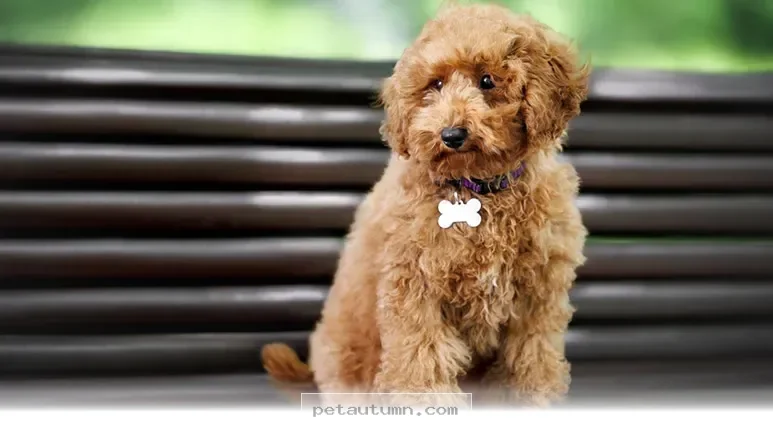
The simplest and most effective way to help a lost dog is a sturdy collar with a tag. Make sure the tag includes your current phone number and address.
You might want to include your dog’s name or even a note like "I need medication." This provides immediate information to anyone who finds your wandering pup.
2. Exploring Microchip Technology
A microchip is a tiny transponder about the size of a grain of rice. It is inserted under the skin, usually between the shoulder blades, providing a permanent ID.
When a shelter or clinic scans your dog, the chip emits a unique code. If your information is linked to that code in the manufacturer’s database, they can contact you immediately.
3. Comparing Identification Options
Choosing the right method depends on your lifestyle and your dog’s specific needs. Use this table to compare common choices:
| Method | Pros | Cons |
|---|---|---|
| ID Tags | Visible and easy to read | Can fall off or wear out |
| Microchips | Permanent and tamper-proof | Requires database registration |
| Tattoos | Visible without a scanner | Can fade or be hidden by fur |
Assessing the Risks and Benefits
Every medical procedure carries a degree of uncertainty. It is important to look at the full picture before deciding what is best for your pet.
Potential Concerns
While microchips are widely used, some owners express concern about the body’s reaction to a foreign object. Reports exist of localized inflammation or tumors at the site of implantation, though these instances are statistically rare.
You should balance these potential risks against the reality of your living situation. For instance, a high-energy dog who loves to bolt out the door may benefit more from the permanence of a chip than a sedentary dog who never leaves your side.
Maintaining Your Records
A microchip is only as effective as the data stored behind it. If you move to a new house or change your phone number, you must update the registry.
Many people chip their pets and then forget the registry login details. Take a moment once a year to log in and confirm that your contact information remains accurate.
The information on petautumn.com is for general informational purposes only and does not constitute veterinary advice. Pet health needs vary by breed, age, and individual condition. Always consult a licensed veterinarian before making decisions about your pet’s health, diet, or medical treatment. Pet Autumn is not affiliated with any veterinary organization, pet food manufacturer, or breeder.
Ultimately, you know your dog better than anyone else. Whether you choose to use tags, microchips, or a combination of methods, the goal is to create a safety net that brings your companion home quickly.
Take the time to evaluate your current setup today. A few minutes spent updating tags or checking a registry can provide you with lasting peace of mind.

Cat care writer at petautumn.com. English Literature graduate (S.S) from Universitas Udayana. Covers cat breeds, behavior, nutrition, grooming, and health. Cat mom to Luna and Lina. Based in Austin, Texas.