Written by Ayu Pratiwi
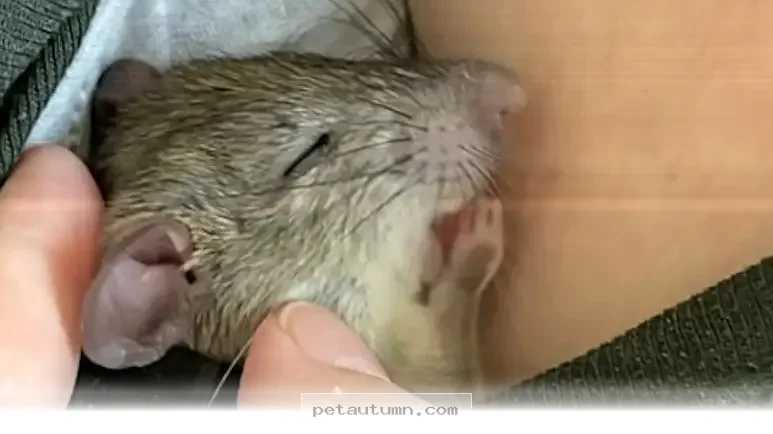
Imagine walking outside and finding a tiny, vulnerable life in need of immediate help. That is exactly what happened to a woman who discovered a baby rat that had fallen from a roof.
The little one, whom she later named Roofus, was so young that his eyes had not yet opened. She waited patiently for his mother to return, but as hours passed, it became clear this tiny soul needed a new guardian.
Key Takeaways
- Foundlings often require immediate warmth and specialized care to survive.
- Patience is essential when waiting for a mother to return to her offspring.
- Proper identification of a baby animal’s needs is vital for its health.
- Developing a bond with a rescued animal takes time, dedication, and consistent feeding.
- Always seek professional guidance when you find an orphaned wild animal.
Understanding the Needs of Orphaned Small Animals
When you encounter a baby animal in distress, your first instinct is to help. However, it is vital to understand the delicate nature of these small creatures.
- Assess the Situation: Keep your distance initially to see if the mother is nearby.
- Ensure Warmth: Young animals cannot regulate their body temperature and often need a gentle heat source.
- Hydration and Feeding: Never attempt to feed a baby animal cow’s milk, as it can be harmful.
- Consult Experts: Reach out to local wildlife rehabilitators who have the experience to provide long-term care.
- Monitor Progress: Keep a close eye on their breathing, movement, and overall alertness.
The transition from a wild environment to human care is a significant change for any animal. You must be prepared to offer a quiet, stress-free space where they can feel safe.
Comparing Care Approaches
| Aspect | Wild Environment | Domestic Care |
|---|---|---|
| Safety | High risk from predators | Controlled, secure environment |
| Nutrition | Natural foraging | Specialized formula/diets |
| Socialization | Natural, instinctual | Human-focused bonding |
| Health | Parasites and disease | Regular veterinary checkups |
Note: The table above highlights general differences. Always prioritize professional medical advice when dealing with wild orphans.
Creating a Safe Haven for Your Rescue
Once you have decided to take on the responsibility of caring for a small animal, your environment becomes the foundation for their survival. You need to organize your space to ensure it is escape-proof and comfortable.
Essential Supplies for Small Rescues
- Small, breathable enclosure with secure latches.
- Soft, non-looping fabric bedding to prevent nail snagging.
- Appropriate milk replacer recommended by a veterinarian.
- Small syringes for precise feeding.
- Heating pad set to low, placed under only one half of the enclosure.
Recognizing the symptoms of distress is equally important for your new friend’s well-being. If you notice any of these signs, contact a professional immediately:
- Labored or rapid breathing.
- Lethargy or lack of movement.
- Cold to the touch.
- Refusal to accept food or hydration.
- Signs of injury or discharge from eyes and nose.
Building a Lifelong Bond
As Roofus grew, he began to see his rescuer not just as a provider, but as a mother figure. It is a heartwarming process to watch a creature that was once so fragile gain confidence.
Traveling through life with a rescued companion teaches us about resilience and empathy. While caring for a small animal is a major commitment, the bond formed is truly unique.
Always keep in mind that wildlife behavior is distinct from domesticated pets. Even when raised by humans, they retain natural instincts that should be respected and understood throughout their lives.
The information on petautumn.com is for general informational purposes only and does not constitute veterinary advice. Pet health needs vary by breed, age, and individual condition. Always consult a licensed veterinarian before making decisions about your pet’s health, diet, or medical treatment. Pet Autumn is not affiliated with any veterinary organization, pet food manufacturer, or breeder.
Taking care of a rescued animal is a journey filled with both challenges and immense rewards. By providing a loving home, you offer them a second chance at life that they otherwise would not have had.
Whether you found them in your backyard or through a shelter, every animal deserves a chance to thrive. Your patience and kindness are the greatest gifts you can offer a tiny life in need.

Dog care writer at petautumn.com. Visual Communication Design graduate (S.Ds) from Universitas Udayana. Covers dog breeds, behavior, training, and gear reviews. Dog dad to Meepo. Based in Austin, Texas.