Written by Kadek Darma
Pumpkin spice season has officially arrived, bringing the warm, comforting scent of cinnamon into our homes and kitchens. As you enjoy your seasonal treats, you might notice your dog sniffing the air with genuine curiosity, leaving you to wonder if they can safely join in on the fun.
The good news is that cinnamon is generally safe for dogs in small, controlled amounts. While it can provide some surprising health perks, it is essential to understand exactly which types to use and which common fall ingredients should stay strictly off your dog’s menu.
Key Takeaways
- Always choose Ceylon cinnamon over the common Cassia variety to avoid high levels of coumarin.
- Cinnamon offers potential benefits for inflammation, blood sugar regulation, and antioxidant support.
- Never feed your dog products containing nutmeg, as it can be toxic in larger quantities.
- Avoid processed human foods like cinnamon rolls, which are often loaded with harmful sugars and fats.
- Cinnamon sticks are a significant choking hazard and should be kept far away from curious pets.
Understanding Cinnamon Varieties
Not all cinnamon is created equal, and the jar currently sitting in your spice rack might not be the best choice for your pup. The market is dominated by two primary types, and knowing the difference is vital for your dog’s long-term health.
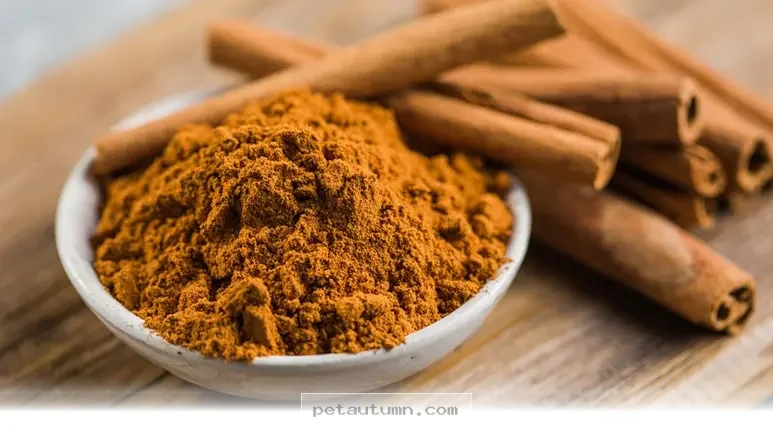
- Ceylon Cinnamon: Often called true cinnamon, this variety is light tan and features a mild, sweet flavor profile. It is the preferred choice for pets because it contains very low levels of coumarin, a compound that can be taxing on the liver.
- Cassia Cinnamon: This is the standard, dark-colored spice found in most grocery stores. While it is affordable and accessible, it contains significantly higher concentrations of coumarin, making it less ideal for regular consumption.
Choosing the right spice is a simple way to prioritize your dog’s wellness while still sharing the flavors of the season.
Potential Health Benefits
When used in moderation, this common spice acts as more than just a flavor enhancer. Research suggests several ways that cinnamon may support your dog’s internal systems during their daily life.
1. Antioxidant Support
Cinnamon is rich in antioxidants, which are crucial for neutralizing free radicals within the body. These compounds help support a strong immune system and provide a layer of protection against the oxidative stress that often accompanies aging.
2. Managing Inflammation
Many senior dogs deal with the stiffness and discomfort associated with chronic inflammation. Because cinnamon contains natural anti-inflammatory properties, a tiny sprinkle can sometimes assist in managing the minor aches and pains that come with daily movement.
3. Blood Sugar Regulation
Perhaps the most notable benefit involves metabolic health, as cinnamon may help improve insulin sensitivity. By assisting with the regulation of glucose levels, it can be a supportive tool for dogs, though it should never replace prescribed medications.
4. Cardiovascular Health
Small-scale observations indicate that modest amounts of cinnamon may help maintain healthy blood pressure levels. While it is certainly not a replacement for veterinary heart care, it serves as a gentle, food-based addition to a heart-healthy lifestyle.
| Benefit Category | Impact Level | Recommended Usage |
|---|---|---|
| Antioxidant Support | High | Occasional sprinkle |
| Joint Inflammation | Moderate | Consistent small dose |
| Blood Sugar Balance | Targeted | Consult your vet first |
| Oral Health | Mild | Occasional inclusion |
Safety Guidelines for Pet Owners
While the spice itself is safe, the context in which it is served matters immensely. You must be careful about what else is included in your dog’s treat, as many fall-themed human foods are dangerous for pets.
Tips for Safe Feeding
- Check the ingredients: Never feed your dog pumpkin spice mixes, as these almost always contain nutmeg. Nutmeg contains myristicin, which is toxic to dogs and can cause hallucinations, elevated heart rate, and seizures.
- Avoid sugary fillers: Cinnamon rolls, cookies, and sweetened cereals contain high amounts of sugar and fats. These ingredients can lead to obesity, pancreatitis, or dental decay in your furry friend.
- Mind the essential oils: Never use cinnamon essential oils around your dog. These are highly concentrated and can cause severe irritation or internal damage if ingested or applied to the skin.
- Remove physical hazards: Always ensure that cinnamon sticks are never accessible. They are hard enough to damage teeth and can become lodged in the throat or digestive tract.
If you are considering adding cinnamon to your dog’s diet, keep a close eye on their behavior and digestion. Some dogs may have a natural sensitivity to the spice, and even a small amount could cause an upset stomach.
The information on petautumn.com is for general informational purposes only and does not constitute veterinary advice. Pet health needs vary by breed, age, and individual condition. Always consult a licensed veterinarian before making decisions about your pet’s health, diet, or medical treatment. Pet Autumn is not affiliated with any veterinary organization, pet food manufacturer, or breeder.
Always start with a very small amount, such as a light dusting, to ensure your dog tolerates it well. If you notice any unusual symptoms like vomiting, diarrhea, or lethargy, stop the usage immediately and reach out to your local veterinarian for guidance.
Bringing your dog into the seasonal traditions of autumn is a wonderful way to bond, provided you keep their safety at the forefront of your decisions. By sticking to high-quality ingredients and keeping portions tiny, you can safely share the cozy spirit of the season with your best friend.

Dog care writer at petautumn.com. Visual Communication Design graduate (S.Ds) from Universitas Udayana. Covers dog breeds, behavior, training, and gear reviews. Dog dad to Meepo. Based in Austin, Texas.