Written by Kadek Darma
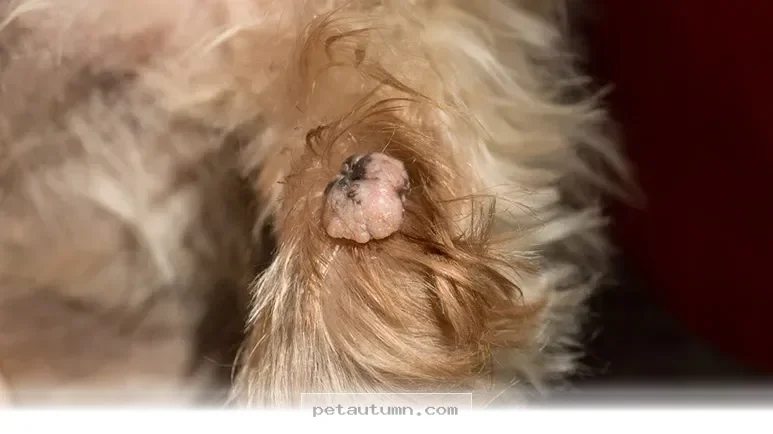
Finding an unexpected bump on your dog can be a source of immediate worry for any pet parent. You might notice a fleshy, cauliflower-like growth while petting your dog or during a routine grooming session.
These bumps are often caused by the canine papillomavirus, which targets specific dogs based on their immune health. While they look alarming, they are usually benign and often resolve on their own with time.
Key Takeaways
- Warts, or papillomas, are most common in young, senior, or immunocompromised dogs.
- These growths are typically benign and only require removal if they impact your dog’s quality of life.
- Papillomas can serve as a helpful indicator of your dog’s overall immune system function.
- Persistent or rapidly changing lumps should always be evaluated by a professional to rule out other conditions.
- Canine papillomavirus is species-specific and will not spread to you or your other pets, like cats.
Understanding Canine Papillomas
The medical term for these growths is papilloma. These are caused by a group of DNA viruses that manifest as those distinct, rough-textured lesions you might see on your dog’s skin or inside their mouth.
Veterinarians generally observe that these viruses are opportunistic. This means they tend to take hold only when a dog’s immune system is either immature, stressed, or compromised by other health issues.
Which Dogs Are at Risk?
It is helpful to understand why your dog might develop these bumps. While exposure to the virus is common, clinical symptoms usually appear in three specific groups:
- Young dogs: Puppies under two years of age often have immature immune systems that are still learning to recognize and fight off new pathogens.
- Immunosuppressed dogs: Pets receiving medications like corticosteroids, or those with underlying health conditions, are more susceptible to viral outbreaks.
- Senior dogs: As dogs age, their immune function can naturally decline, making them more prone to developing various skin growths.
How Warts Are Transmitted and Identified
Oral papillomatosis is the most common form of the virus found in younger dogs. It is typically spread through direct contact, such as when dogs share water bowls, toys, or engage in playful mouthing.
1. Recognizing Symptoms
If your dog has contracted the virus, you might notice the following signs:
- Fleshy, cauliflower-shaped growths in the mouth or on the lips.
- Occasional lesions on the mucous membranes of the eye.
- Clusters of bumps that appear suddenly.
- Halitosis or difficulty chewing if the oral warts are severe.
2. When to See a Vet
While many warts disappear on their own, you should monitor your pet closely. You should schedule a visit to your veterinarian if you notice any of the following:
| Observation | Action Required |
|---|---|
| Small, static bump | Monitor during regular grooming. |
| Growth causing limping or bleeding | Consult your vet for removal options. |
| Rapidly changing or ulcerated mass | Schedule an urgent exam. |
The Decision to Remove Bumps
Because these growths are generally non-cancerous, many veterinarians prefer a wait-and-see approach. Surgery is usually reserved for cases where the wart interferes with your dog’s daily comfort or ability to eat.
If a growth is located between the toes, it can cause your dog to limp or experience pain while walking. In these instances, surgical removal is often the most compassionate choice to restore your dog’s mobility.
Considerations for Surgical Removal
Before opting for surgery, consider the following pros and cons:
- Pros: Immediate relief from physical irritation; removes potential for bleeding; provides peace of mind.
- Cons: Requires anesthesia; carries standard surgical risks; not always necessary for harmless lesions.
Long-Term Immune Health
Viewing these warts as a window into your dog’s immune health can be a proactive strategy. If your dog develops severe or recurring lesions, it may be a signal that their body is struggling to maintain a strong defense.
You might want to discuss your dog’s vaccination schedule with your veterinarian, as some experts believe that over-vaccination can contribute to immune system stress. Asking about titer testing, which measures antibody levels, can help you avoid unnecessary boosters.
Always ensure your dog is eating a high-quality, balanced diet to support their immune response. You can learn more about general canine wellness through resources like the American Kennel Club.
The information on petautumn.com is for general informational purposes only and does not constitute veterinary advice. Pet health needs vary by breed, age, and individual condition. Always consult a licensed veterinarian before making decisions about your pet’s health, diet, or medical treatment. Pet Autumn is not affiliated with any veterinary organization, pet food manufacturer, or breeder.
If you find a new lump on your pet, stay calm and keep a record of its size and appearance. Most of these bumps are merely a temporary annoyance that will fade as your dog’s body matures or recovers its strength.
By keeping a watchful eye and maintaining open communication with your vet, you can ensure your dog stays happy and healthy. Your proactive care makes a world of difference in their overall quality of life.

Cat care writer at petautumn.com. English Literature graduate (S.S) from Universitas Udayana. Covers cat breeds, behavior, nutrition, grooming, and health. Cat mom to Luna and Lina. Based in Austin, Texas.