Written by Kadek Darma
You look lovingly into your dog’s eyes every single day. Taking a moment to inspect them closely can reveal hidden health concerns that deserve your attention.
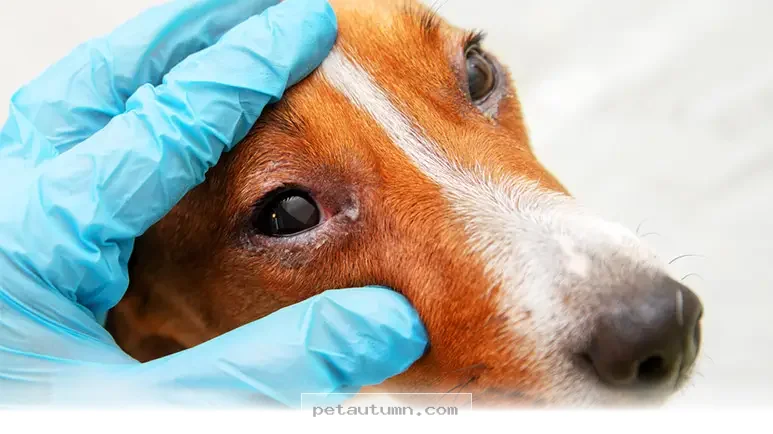
Redness often signals that something is wrong, ranging from simple environmental irritants to more complex medical conditions. Understanding these subtle color changes helps you act quickly to keep your best friend comfortable and clear-sighted.
Key Takeaways
- Environmental irritants like dust, smoke, and allergens are common triggers for eye redness.
- Thick, yellow discharge combined with redness may indicate dry eye, a condition requiring veterinary care.
- A bluish or cloudy cornea can be a symptom of glaucoma, which is considered a medical emergency.
- Cherry eye appears as a distinct red bulge in the corner of the eye caused by a prolapsed tear gland.
- Always seek professional veterinary guidance if you notice persistent changes in your dog’s eye color, appearance, or behavior.
Understanding Eye Redness and Irritation
If your dog has red eyes, you should have them checked by a veterinarian as soon as possible. Redness often indicates inflammation or an underlying infection that needs specific professional management.
Environmental exposures like cigarette smoke, pollen, dirt, or other airborne irritants frequently cause red, irritated eyes. Even misdirected eyelashes, a condition called distichiasis, can rub against the cornea and trigger significant discomfort.
| Condition | Primary Visual Signs |
|---|---|
| Conjunctivitis | Redness, swelling, and ocular discharge |
| Dry Eye (KCS) | Redness with thick, yellow, mucus-like discharge |
| Glaucoma | Bluish cornea, bulging eye, and intense redness |
1. Dry Eye and Thick Discharge
Redness paired with thick, yellow discharge is a classic sign of keratoconjunctivitis sicca, commonly known as dry eye. This condition affects roughly 5% of dogs and causes the surface of the eye to become extremely dry and painful.
You might notice your dog blinking or squinting frequently. Breeds such as Shih Tzus, English Bulldogs, and Cavalier King Charles Spaniels are genetically predisposed to this painful condition.
2. Identifying Pink Eye
Conjunctivitis, or pink eye, manifests as redness, swelling, and persistent discharge. Infections are typically bacterial in nature, causing your dog to paw at their eyes due to itchiness.
If the redness persists after a few days or if the cornea appears cloudy, please consult your veterinarian. According to the American Kennel Club, persistent ocular issues can lead to secondary complications if they are left untreated.
3. The Warning Signs of Glaucoma
If your dog’s eyes appear red and the cornea takes on a cloudy or bluish tint, glaucoma could be the cause. This happens when fluid cannot drain properly, causing dangerous pressure buildup within the eye.
Glaucoma is a medical emergency that can lead to permanent blindness if not addressed immediately. It often presents with eye pain, extreme redness, and visible bulging of the eyeball.
4. Recognizing Cherry Eye
Your dog has a third eyelid that remains tucked away when they are healthy. Sometimes, the gland within this eyelid pops out, creating a bright red, fleshy bulge known as cherry eye.
This condition is common in brachycephalic breeds like Boston Terriers and Beagles. While not always painful initially, the exposed tissue is vulnerable to infection and may prevent proper eye lubrication.
Transitioning from appearance to action, you should maintain a regular schedule for checking your pet’s eyes to catch these issues early.
Proactive Eye Care Tips
- Keep the hair around your dog’s eyes trimmed to prevent irritation.
- Wipe away debris from the corners of their eyes with a soft, damp cloth.
- Avoid using human eye drops, as these can contain ingredients that are harmful to dogs.
- Observe your dog for signs of pain, such as pawing at the face or excessive squinting.
- Schedule annual wellness exams to monitor long-term ocular health.
The information on petautumn.com is for general informational purposes only and does not constitute veterinary advice. Pet health needs vary by breed, age, and individual condition. Always consult a licensed veterinarian before making decisions about your pet’s health, diet, or medical treatment. Pet Autumn is not affiliated with any veterinary organization, pet food manufacturer, or breeder.
Your dog relies on you to notice when something feels off. Because they cannot tell you when their vision is blurry or their eye feels dry, your visual inspections are essential.
By staying alert to color changes and discharge, you ensure your dog remains comfortable and happy. When in doubt, always contact your veterinarian to rule out serious conditions.

Cat care writer at petautumn.com. English Literature graduate (S.S) from Universitas Udayana. Covers cat breeds, behavior, nutrition, grooming, and health. Cat mom to Luna and Lina. Based in Austin, Texas.