Written by Ayu Pratiwi
Have you ever met a cat that just seemed to have a chip on its shoulder? Sometimes, what looks like an aggressive personality is actually a frightened animal struggling to navigate a world they no longer trust.
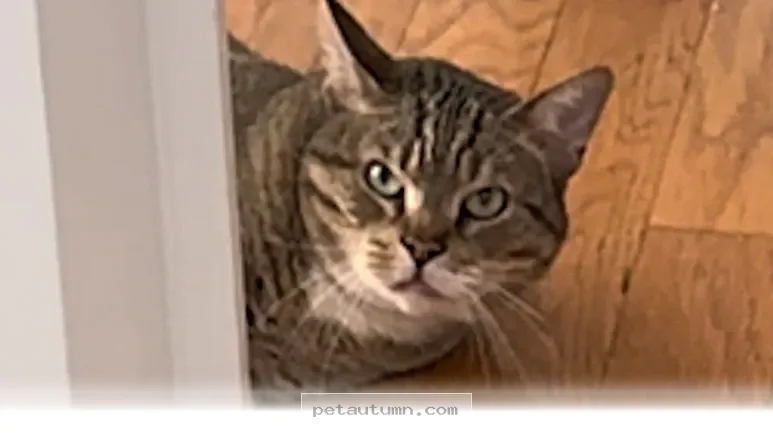
Rick Oliver James spent over a year in a shelter after losing his long-term owner, and his journey was far from easy. Labeled as aggressive due to his defensive hissing and biting, he was overlooked by nearly everyone who walked past his kennel.
Key Takeaways
- Aggression in cats is frequently a mask for underlying fear or chronic stress.
- Patience and a predictable environment are essential for rehabilitating a misunderstood pet.
- Consulting with a professional behaviorist can provide tailored strategies for your specific situation.
- Building trust takes time and should always be done at the cat’s own pace.
Understanding Feline Aggression
It is easy to misinterpret a cat’s defensive behavior as pure malice, but there is almost always a reason for it. When a cat feels cornered or unsafe, their natural reaction is to protect themselves using the only tools they have.
Many shelter cats have experienced significant trauma, such as the loss of a human companion or a sudden change in environment. Recognizing that a cat is acting out of fear rather than a desire to be mean changes how you approach the relationship.
1. Common Signs of Fear-Based Behavior
When a cat is feeling overwhelmed, they will often display specific body language to warn you to back away. Recognizing these cues early can help you avoid a bite or scratch while giving your cat the space they need.
- Flattened ears: A clear sign of extreme discomfort or agitation.
- Dilated pupils: Often indicates that the cat is feeling threatened or highly aroused.
- Hissing or growling: An auditory warning that the cat feels cornered and wants space.
- Tail twitching or thrashing: A sign of rising frustration or impending aggression.
- Swiping: Usually the final warning before a full defensive strike occurs.
2. How to Build Trust with a Shy Cat
The process of winning over a misunderstood cat is a slow, rewarding marathon. You must be willing to meet them where they are emotionally rather than expecting them to conform to your timeline.
- Create a Safe Haven: Give your cat a quiet, low-traffic room where they can retreat whenever they feel nervous.
- Respect Their Boundaries: Never force interaction, such as picking them up, if they show signs of hesitation.
- Use Positive Reinforcement: Offer treats or quiet praise when the cat displays calm behavior or chooses to be near you.
- Play on Their Terms: Use wand toys to allow for interaction that keeps a safe distance between you and the cat.
- Be Consistent: Stick to a daily routine to help your cat feel secure and in control of their environment.
Comparing Behavioral Strategies
Understanding the difference between common approaches is vital when you are helping a pet adjust to a new home. Not every technique works for every cat, so stay flexible in your approach.
| Strategy | Primary Benefit | Notes |
|---|---|---|
| Passive Presence | Lowers cat stress | Just sit and read nearby. |
| Forced Socializing | None | Usually increases anxiety levels. |
| Clicker Training | Builds confidence | Great for mental stimulation. |
| Physical Discipline | None | Never recommended for any animal. |
Essential Supplies for Success
You do not need fancy gadgets to help a nervous cat, but a few basics can make the transition much smoother. Preparing these items before you bring a shy cat home will set the stage for success.
- Calming pheromone diffusers: These can help create a sense of familiarity in a new space.
- High-value treats: Use these to create positive associations with your presence.
- Vertical space: Cat trees or sturdy shelves provide a sense of security from high vantage points.
- Interactive toys: These allow for bonding without the pressure of direct physical contact.
- Hidden beds: Covered caves or boxes allow the cat to hide while remaining in the same room.
Why Patience Is Your Best Tool
Rehabilitating a cat is rarely a linear process, and you should expect some days to feel like a step backward. Keep your expectations grounded and celebrate the small wins, like a cat simply choosing to sleep in the same room as you.
For more information on understanding feline behavior, you can visit resources like the ASPCA or the Cornell Feline Health Center. Every cat has a unique history, and learning to read their specific language is the key to a lasting bond.
The information on petautumn.com is for general informational purposes only and does not constitute veterinary advice. Pet health needs vary by breed, age, and individual condition. Always consult a licensed veterinarian before making decisions about your pet’s health, diet, or medical treatment. Pet Autumn is not affiliated with any veterinary organization, pet food manufacturer, or breeder.
When you finally earn the trust of a cat like Rick Oliver James, the reward is life-changing. There is a deep, quiet pride in knowing you were the one who finally made them feel safe.
Every cat deserves the chance to show their true, loving self once the fear is removed. If you find yourself in the position of being a cat’s second chance, remember that your consistency and kindness are the greatest gifts you can offer.

Cat care writer at petautumn.com. English Literature graduate (S.S) from Universitas Udayana. Covers cat breeds, behavior, nutrition, grooming, and health. Cat mom to Luna and Lina. Based in Austin, Texas.